











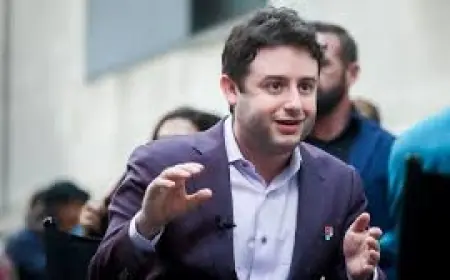







look mum no computer named UK entry for Eurovision 2026 in Vienna

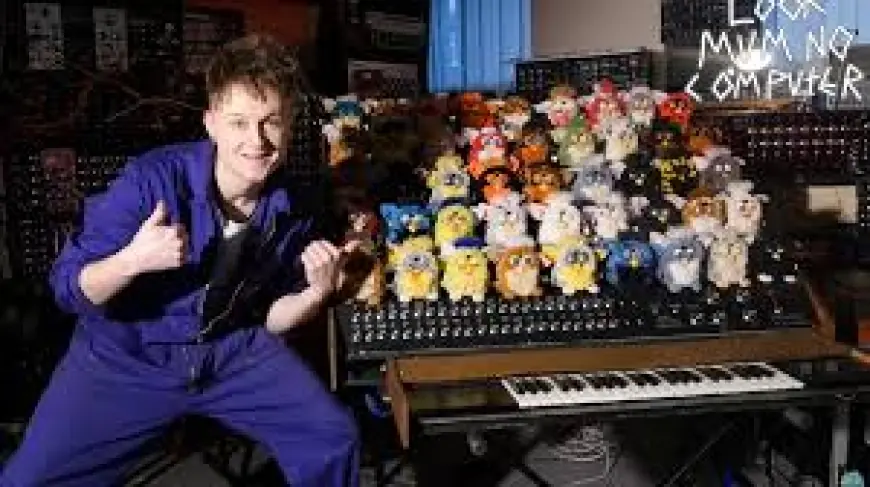
Electronic musician, inventor and online creator look mum no computer has been selected to represent the UK at the Eurovision Song Contest in Vienna this May 2026. The announcement positions a maker-driven, experimental performer at the centre of a contest many see as increasingly open to eccentric and boundary-pushing acts.
A maker-meets-pop act with an offbeat toolkit
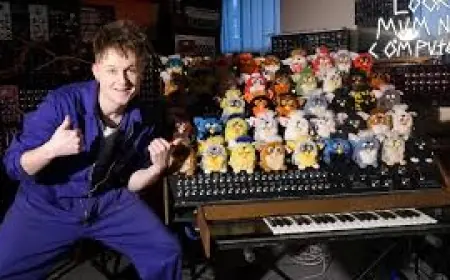
Behind the stage name is Sam Battle, a singer-songwriter who first emerged in the mid-2010s as frontman of an indie rock band before shifting into a solo career focused on live electronics and inventive instruments. He has built a substantial online following by documenting the construction and performance of unusual musical machines — from organs assembled from Furby toys and modified handheld games to flame-throwing keyboards and synthesiser-equipped bicycles.
Battle also runs a museum dedicated to experimental and obsolete musical technology in Ramsgate and holds a world record for building the largest drone synthesizer. He says he has been developing his own creative vision for years and plans to bring that technical imagination to the Eurovision stage. "I find it completely bonkers to be jumping on this wonderful and wild journey, " he said, adding that he has always been a fan of the contest and will "bring every ounce" of his creativity to the performance.
Why the choice feels like a deliberate gamble
The selection of a figure so associated with DIY electronics and niche performance is being read as a strategic pivot. The contest landscape heading into 2026 is unpredictable: several countries have announced boycotts over political reasons, and a steady erosion of traditional television viewership has prompted some broadcasters to reconsider formulas that once seemed reliable.
With few expectations to protect, selectors appear willing to embrace something oddball and original rather than repeat past strategies that yielded middling results. Recent UK entries have struggled to crack the top ranks in the past decade, and the new pick reads like a response to the idea that risk and originality might strike a chord where safer options have not.
Industry figures involved in the internal selection process praised the artist's distinctive sound, theatrical instincts and inventive approach to live shows. Fans of the performer point to his experience building both songs and spectacle from scratch — a combination that could translate into a memorable live presentation on Eurovision's huge stage.
What to expect in Vienna and the wider reaction
The song that look mum no computer will perform has not been publicly revealed. Organisers say the entry was chosen through an internal process with input from music industry experts, and the artist has been tight-lipped about details beyond promising an ambitious, electronically driven production. Observers expect the entry to feature custom-built instruments and a highly visual performance concept designed to stand out amid a field that already includes avant-garde, theatrical and novelty acts.
Reactions from the public and music communities are divided. Some applaud the selection as refreshingly bold — a sign that the UK is willing to lean into eccentricity rather than play safe — while others worry an experimental, niche performer might struggle to secure broad support from the diverse Eurovision voting audience. With the contest final scheduled for mid-May 2026 (ET), speculation will only intensify as teaser clips and stage rehearsals begin to surface in the coming weeks.
For now, the unexpected choice signals a clear intent: embrace creative risk, showcase a uniquely British mix of invention and humour, and hope that a one-of-a-kind live show can convert curiosity into points on the scoreboard in Vienna.