
























ash wednesday ushers in Lent as communities blend centuries-old rituals with modern adaptations

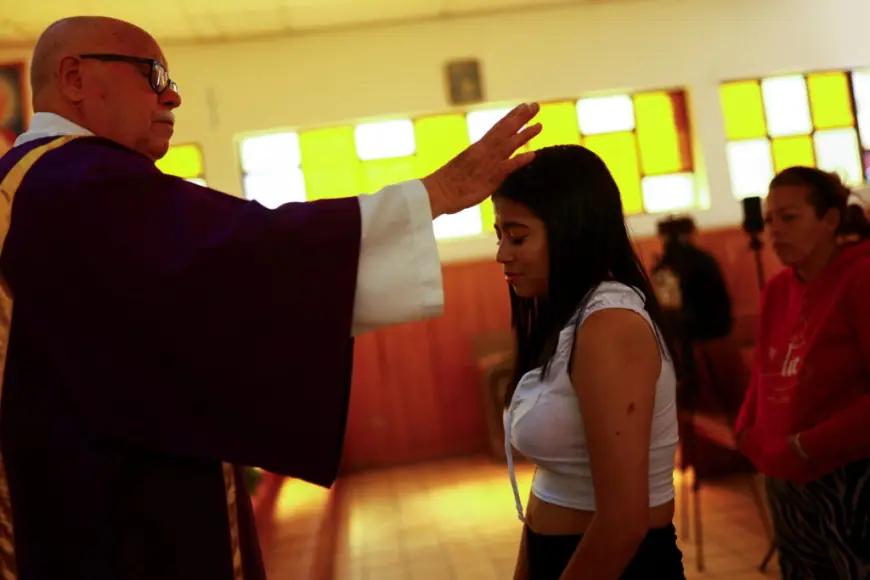
Feb. 18, 2026 (ET) — Ash Wednesday opens the Christian season of Lent, a period of fasting, prayer and penitence observed by millions worldwide. The day is best known for the imposition of ashes on worshippers' foreheads and for setting the tone of personal reflection that leads to Holy Week and Easter.
Rites, reminders and the meaning behind the ashes
On Ash Wednesday many churches offer services that center on repentance and spiritual renewal. During the liturgy, clergy commonly make a cross of ashes on the forehead while saying phrases such as "Remember that you are dust, and to dust you shall return, " or "Repent and believe in the Gospel. " Those words serve as a stark, ancient reminder of mortality and a prompt to refocus on spiritual priorities.
The day is also linked to a prescribed form of fasting for many adherents. For people who follow the Roman Catholic discipline and fall between the ages of 18 and 59, Ash Wednesday is an obligatory fast day, typically observed by taking one full meal and two smaller meals that together do not equal a full meal. Beyond formal requirements, many Christians choose to undertake personal disciplines during Lent — giving up a comfort such as sweets, alcohol or social media, or taking on acts of service and additional prayer.
Modern adaptations and wider observance
Traditions around Ash Wednesday vary widely across denominations. Historic Protestant churches such as Episcopal and Lutheran congregations often hold similar liturgies. Some evangelical and Baptist communities mark Lent in different ways or focus on their own seasons of fasting and consecration at other times of the year.
Recent years have seen a notable shift in how the ashes are offered. Many clergy have taken ashes outside the sanctuary to meet people where they are: in transit hubs, parking lots, commuter-rail stations and airport chapels. These "Ashes to Go" efforts aim to make the ritual accessible to busy commuters, travelers and those who might not otherwise attend a formal service. Chaplains at transportation centers and airports routinely provide the imposition of ashes for those passing through, reflecting a pastoral emphasis on inclusion and convenience.
Communities also adapt devotional life for contemporary needs. In addition to traditional observances such as Stations of the Cross, congregations frequently offer shorter midday reflections, online resources for personal devotion, and group activities that combine spiritual practice with charitable outreach.
Lent's calendar and broader religious rhythms
Lent is calculated by counting backward 40 days from Easter while excluding Sundays, producing the familiar forty-day period associated with Jesus' fast in the wilderness. The number 40 carries biblical resonance: it frequently appears in Scripture as a time of testing, purification or preparation.
This year the season opens amid overlapping observances in other faiths. The start of Ramadan falls close to the beginning of Lent, meaning that communities of different traditions will enter parallel seasons of fasting and intensified prayer. That overlap has prompted interfaith dialogues and mutual recognition in some locales, with leaders noting shared themes of self-discipline, charity and spiritual renewal.
For many, Ash Wednesday is less about gloom than orientation: a clear starting point for a season meant to reorient daily life toward gratitude, humility and service. The ashes are temporary, but the practices of Lent — restraint, prayer, almsgiving and remembrance — aim to shape conduct long after Easter rejoices in resurrection and renewal.