



















unc vs nc state: Lucas Breaks Down the 'Swarmed' Atmosphere in Chapel Hill

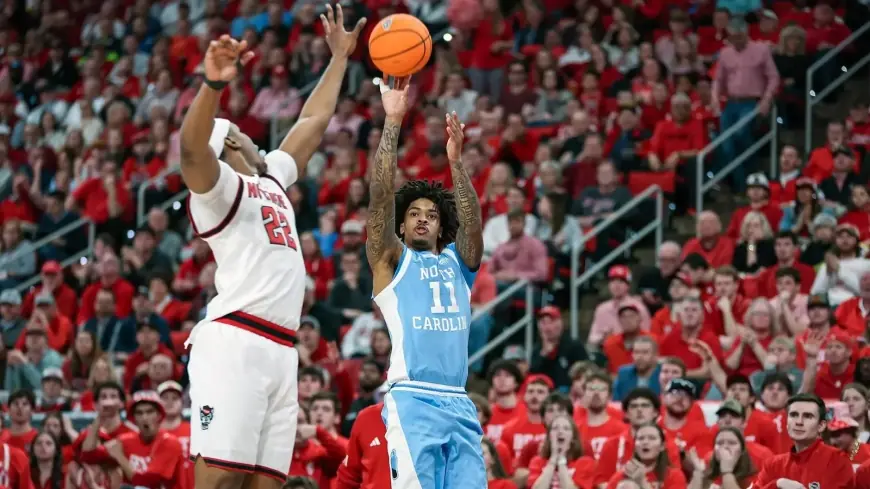
On February 18, 2026 (ET), writer Adam Lucas framed a recent chapter of the long-standing unc vs nc state rivalry around one overriding image: the Tar Heels feeling "swarmed"—by fans, emotion and scrutiny. The piece examines how that intensity shaped the team in the lead-up to and aftermath of the matchup, and why the dynamic matters beyond a single box score.
Crowd energy and the weight of expectation
Lucas paints a vivid picture of a program under a microscope when big rivalry nights arrive. The public face of the rivalry—packed stands, impassioned chants and waves of students funneling toward the arena—creates an environment where every possession feels amplified. That relentless attention can bolster home advantage, but it can also magnify mistakes, making recovery harder and prolonging emotional swings across stretches of play.
Players and staff are not immune to that pressure. For many on the roster, these games represent a lifetime of buildup: weekend rituals with family, campus traditions and a sense that a single performance will be judged by more than wins and losses. Lucas emphasizes how the convergence of nostalgia and expectation can leave the team feeling swarmed not only by spectators but by the legacy that follows every matchup with their in-state rival.
On-court response and coaching adjustments
The narrative shifts from spectacle to substance when examining how the team countered that intensity on the floor. Lucas highlights adjustments made to manage the emotional tempo—shorter timeouts to stem momentum swings, simplified sets to reduce decision fatigue, and an emphasis on communication to keep composure amid chaos. These tactical moves are framed as pragmatic attempts to reclaim the narrative during the game.
Players’ reactions varied. Some leaned into the noise, using it as fuel to play more aggressively on both ends. Others struggled with execution in high-leverage moments. The coaching staff’s role, as depicted in Lucas’s piece, centered on restoring focus: isolating controllables, resetting expectations at halftime and reinforcing a process-oriented mindset to blunt the impact of external pressure.
Lucas also notes the ripple effects of being "swarmed" after the final buzzer—how postgame interactions and the spotlight can extend emotional highs or lows well beyond the arena. The handling of that postgame climate is part of the broader coaching task, influencing how players digest outcomes and prepare for the next stretch of the schedule.
Rivalry stakes and what comes next
Beyond the immediate theatrics, the piece interrogates what this heightened atmosphere means for the season’s arc. Rivalry games are often inflection points: they test resilience, reveal character, and clarify where improvement is needed. The unc vs nc state matchup functions as a measuring stick for how this roster responds under pressure and whether the team can translate lessons from intense nights into steadier performances on neutral ground.
Looking ahead, the lessons from being "swarmed" will likely inform preparation for the postseason. Teams that learn to insulate themselves from external turbulence—maintaining habits, managing emotions and executing under duress—gain a strategic advantage. Lucas’s account suggests that how the program processes these rivalry experiences will matter as much as the final score recorded on those nights.
Ultimately, the piece offers a reminder that college basketball is as much about atmosphere and narrative as it is about tactics. In the unc vs nc state rivalry, the crowd is never just a backdrop: it is a force that can lift, rattle or reshape a team. For this season’s Tar Heels, the challenge will be to convert the pressure of being "swarmed" into a sharpened competitive edge rather than a source of distraction.