





















usa hockey rivalry reaches boiling point as U.S., Canada prepare for Olympic gold rematch

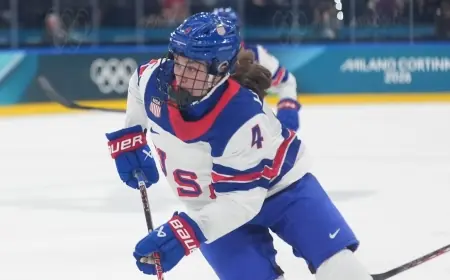
When the puck drops in Thursday's Olympic gold-medal game (Eastern Time), it will be the latest chapter in a rivalry that has defined women's hockey for nearly three decades. Historic grudges, headline-making physicality and headline-making individual milestones have merged into a high-stakes finale: an unbeaten American side poised against a Canadian team that has weathered illness and injury to reach the summit match.
History, hatred and the rise of grudging camaraderie
The Canada–United States rivalry began long before women's hockey became an Olympic sport in 1998. Early encounters were marked by palpable hostility: veterans remember locker-room tension so thick that players learned not to even share elevators. That raw dislike helped fuel intense on-ice confrontations and a near-constant jockeying for international supremacy. The two countries have combined to win every Olympic gold medal in the sport, with Canada holding a slim edge in championships.
Over time, the relationship off the ice has softened as players mixed in college ranks and in the professional ranks that launched in January 2024. Teammates in league play and at U. S. colleges have humanized opponents, but once the jerseys go on, old habits resurface. Players who socialize in the offseason still switch to total opposition mentality in tournament play: friendships are paused and the games remain fiercely physical and competitive.
Drama on ice: shutouts, comebacks and milestone makers
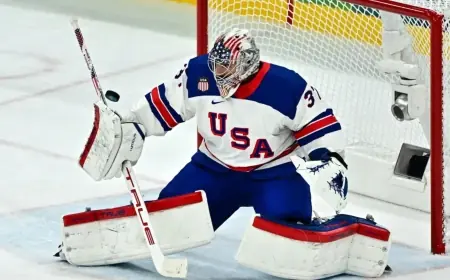
This Olympics has only intensified the storyline. The U. S. has been dominant defensively, racking up consecutive shutouts and entering the final with a gaudy goals-for/against tally that underscores its favored status. American goaltenders and defenders have locked down opponents for long stretches, enabling the team to enter the gold game with momentum and confidence. That defensive lock has included the first time Canada was blanked in Olympic competition — a 5-0 preliminary result that stands as a rare, stinging low point for the Canadians.
Canada's path back to contention has not been smooth. The tournament was disrupted by a norovirus episode that affected team schedules and left countries scrambling. Canada also lost its captain and best player to injury for part of the event, only to see that veteran return in the knockout rounds and climb into the record books. The captain's return coincided with a burst of scoring that included historic milestones: she became the women's all-time leading Olympic scorer, a moment that galvanized her team and the country even after earlier setbacks.
Individual storylines add further spice. A U. S. veteran forward has reached and tied long-standing national Olympic records for goals and points, poised to seize them outright on the biggest stage. On the Canadian side, the veteran leader's comeback after injury has been both inspirational and practical, giving her squad renewed offensive bite at a critical time.
Physicality, brawls and the stakes of a gold medal
Intensity has spilled into moments of plain ugliness at times. Exhibition games and international competitions outside the Olympics have seen line brawls and scuffles that echo the sport's more physical eras. Both teams have players willing to mix it up when tempers flare, and those sparks tend to come brightest when medals are on the line.
Thursday's final promises everything that has defined this rivalry: elite goaltending, veteran scorers, emotionally charged matchups and the potential for physical flashpoints. For the United States, the shot at gold comes after a near-flawless run through the tournament. For Canada, it's a chance to overcome early turbulence, leverage experience and reclaim the sport's top prize. For neutral fans, it is a clash that delivers drama by design — a showcase of legacy, grit and the kind of bad blood that, at its best, produces the greatest moments in the history of women's hockey.