






















elana meyers taylor wins Olympic monobob gold at 41, ties U.S. Winter Games medal record

CORTINA D'AMPEZZO, Italy — On Monday night, Feb. 16, 2026 (ET), Elana Meyers Taylor completed a long-awaited career achievement: Olympic gold. The 41-year-old U. S. bobsledder, a mother of two who battled concussion setbacks and years of near-misses on the world stage, topped the monobob field in Milan Cortina to claim her first Olympic title and a sixth career Winter Games medal.
Historic gold and career milestone
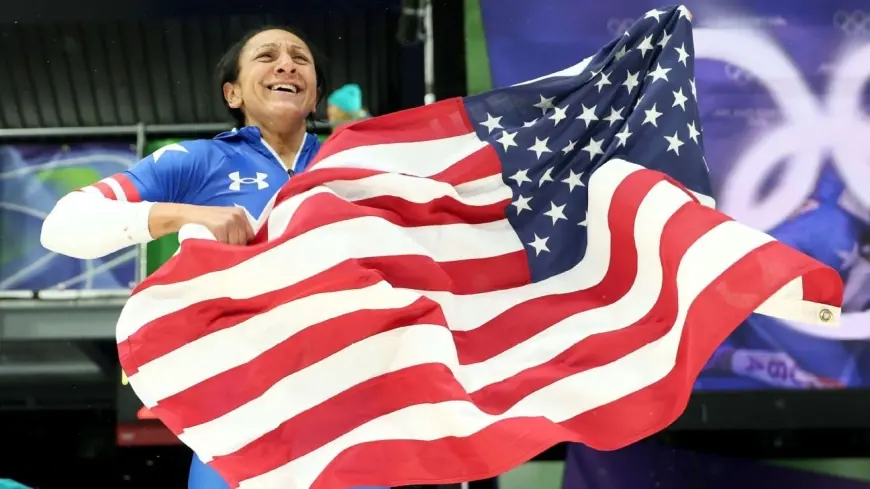
Meyers Taylor rallied in the fourth and final heat to finish with a combined four-run time of 3 minutes, 57. 93 seconds. The win not only brought the elusive top podium spot she had chased for years but also tied her with a legendary figure for the most Winter Olympic medals by an American woman. Standing on the ice-warmed platform with the American flag draped around her shoulders, she wept as the anthem played and her two young sons watched from nearby.
"I thought it was impossible, " she said after the race. For an athlete who had collected five Olympic medals before — three silver and two bronze — the gold proved both vindication and a late-career triumph. She became the oldest American woman to have the national anthem played for her at a Winter Games and added a fresh chapter to a resume that had already made her the most decorated Black competitor in Winter Olympic history.
A podium for mothers and veterans
The evening’s podium was a striking statement about longevity and parenthood in elite sport. Kaillie Humphries Armbruster, 40 and about 18 months removed from becoming a mother, took bronze, marking her fifth Olympic medal. Her performance — and Meyers Taylor’s victory — challenged common assumptions about age and motherhood sidelining elite athletic careers.
"You get a lot of people that like to write you off as soon as you reach 40, " Humphries Armbruster said. Both women emphasized the support systems behind their returns to the highest level: spouses, family members and professional teams who helped them balance training with parenting responsibilities. Meyers Taylor dedicated the medal to mothers who continue to chase dreams while raising children, calling them a steadying force that "kept me going" through difficult stretches.
How the final unfolded
Germany’s Laura Nolte had led after the first three runs and held a slender 0. 15-second advantage going into the finale. Meyers Taylor sat second, 0. 24 seconds back, with Humphries Armbruster close behind. With the competitive field tightly bunched, the final runs were decisive. Humphries Armbruster ran first among the trio and secured bronze with a total of 3: 58. 05. Meyers Taylor then produced the run she needed to move into gold position, wrapping herself in the flag before Nolte completed her final descent.
Nolte finished second, acknowledging mixed emotions: disappointment at losing gold but admiration for Meyers Taylor’s career-long persistence. Meyers Taylor, who has overcome concussions and years of near-misses, reflected on what the victory means beyond sport. "To have my name up there with Bonnie Blair, it doesn't even make sense to me, " she said, pointing to the historic significance of her medal haul.
The result underscored an evolving narrative in winter sports: experience and resilience can rival youth and raw speed. For Meyers Taylor, the gold is both a personal milestone and a broader symbol — of motherhood and maturity coexisting with elite performance, and of a career that refused to be defined by setbacks.