






















Stephen Colbert Responds After Network Pulls james talarico Interview

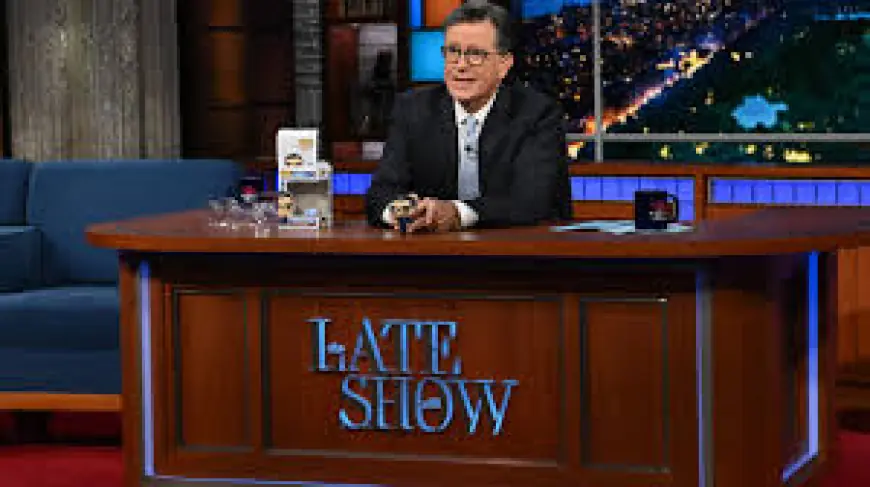
Stephen Colbert pushed back against what he called censorship after lawyers for his network advised that airing an on-air interview with Texas state representative james talarico could trigger Federal Communications Commission equal-time obligations. The interview instead ran on the program’s online channel, and the network issued a statement explaining legal concerns and alternative options.
Why the broadcast interview was redirected
Network lawyers flagged the interview with james talarico as potentially activating the FCC’s equal-time rule, a provision of the Communications Act that can require broadcasters to give equivalent access to other candidates for the same office. The guidance emphasized that a televised appearance could obligate the program to offer comparable time to other contenders, including at least one fellow Democratic candidate in the Texas Senate primary.
Faced with those possible obligations, the show’s producers chose to run the conversation on their video platform rather than the broadcast signal, while promoting the clip during the televised program. The network’s statement on Tuesday afternoon ET said the decision stemmed from legal counsel outlining how a live broadcast might create an obligation to provide equal time and that it also presented ways to fulfill those obligations. The show opted for the online route and on-air promotion instead of implementing the equal-time remedies for other candidates.
Colbert’s objections and the broader fight over speech
Colbert framed the move as part of a broader push to suppress critical voices. He accused the administration and the FCC chair of seeking to intimidate broadcasters, saying the guidance had a chilling effect on political commentary on television. He urged viewers to see the shift to online distribution as a workaround that sidesteps the agency’s broadcast jurisdiction.
At least one commissioner on the FCC’s Democratic side criticized the network’s handling, arguing that broadcasters should resist any pressure that amounts to self-censorship. She called on media companies to defend editorial independence and warned that yielding to intimidation undermines public trust and press freedoms.
The situation underscores a thorny legal and ethical terrain for entertainment programs that routinely host political figures. Daytime and late-night talk shows have become a particular focus in recent guidance from regulators who reiterate that traditional broadcasters remain subject to equal-access rules even when programming is framed as entertainment rather than journalism.
Political stakes and program context
james talarico is running in a Democratic primary for a U. S. Senate seat in Texas, challenging an incumbent senator. His campaign and rivals are part of the calculus that prompted the network’s legal review; one Democratic congresswoman named as a potential beneficiary of equal-time obligations was highlighted in the legal guidance.
The episode adds to tensions between media organizations, government officials and political campaigns as both regulators and broadcasters seek to clarify how long-standing rules apply in a media environment that blends politics and entertainment. The host’s broadcast is slated to end in May after a previously announced cancellation, and the parent company’s recent ownership changes have fueled questions about editorial independence that critics say deserve scrutiny.
For now, the interview’s online posting has ensured that the conversation with james talarico reached an audience without triggering the equal-time pathway the network sought to avoid. The debate over where political speech belongs—on broadcast airwaves subject to legacy rules or on online platforms outside that remit—remains unsettled and likely to shape how talk programs handle political guests moving forward.