











Music bulletin: look mum no computer to represent UK at Eurovision 2026 in Vienna

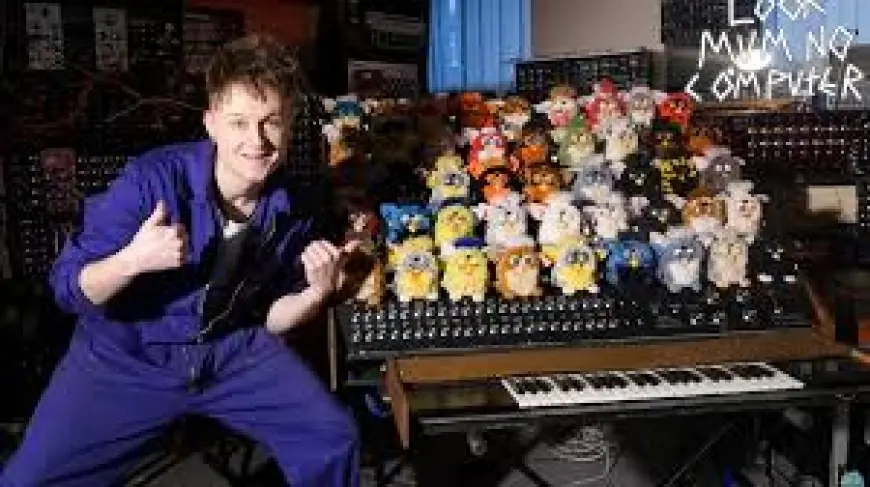
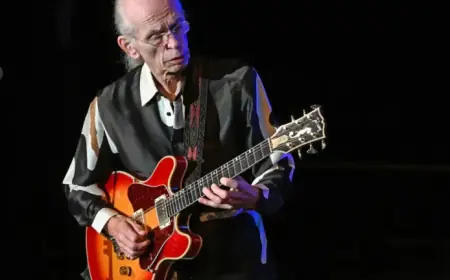
Electronic musician, inventor and online creator Look Mum No Computer will represent the United Kingdom at the Eurovision Song Contest in Vienna in May 2026 (ET). The Kent-based artist, known offstage as Sam Battle, arrives on the contest with a reputation for eccentric instrument-building and a sizable digital following.
From indie frontman to experimental synth pioneer
Sam Battle first made his name as the frontman of indie rock band Zibra, who played at Glastonbury in 2015 through a Introducing slot. Since adopting the Look Mum No Computer persona he has carved out a niche as a solo artist, songwriter and maker of unusual musical machines. His workshop projects range from organs fashioned from Furby toys and Game Boys to synthesiser-equipped bicycles and flame-throwing keyboards. He also holds a Guinness World Record for building what is described as the world's largest drone synthesizer.
Battle runs a small museum in Ramsgate called This Museum is (Not) Obsolete, which houses vintage and experimental musical technology. He has documented much of his creative process online, and the combined reach of his social channels amounts to around 1. 4 million followers.
What the selection means and what to expect on stage
The UK's internal selection process, which involved input from industry experts, opted for an artist who promises a highly visual and technically adventurous performance. Battle said he was "completely bonkers" about the opportunity and called Eurovision "a wonderful and wild journey" that he takes seriously. He added that he will bring "every ounce" of his creativity to the stage and hopes the contest is ready to "get synthesized. "
His entry song has not yet been released publicly, though a broadcaster DJ has indicated they have heard the track. The choice signals a deliberate gamble: the UK has experimented with different strategies in recent years and is now leaning into a more unconventional, risk-taking approach for 2026. The decision arrives against an unusually fractious backdrop for the contest, which faces boycotts from several countries and a broader decline in television audiences—factors that have prompted some delegations to take bolder creative risks.
Industry observers say the move plays to the strengths of Eurovision’s current landscape, where memorable staging and distinct personalities can drive a song’s impact as much as, if not more than, mainstream pop radio familiarity. If Battle’s past live shows are any guide, the Vienna performance is likely to feature bespoke instruments and a theatrical presentation designed to stand out in a crowded field.
Challenge and opportunity for the UK
The UK has struggled for consistent top finishes in recent contests, with last year’s entry landing outside the top ten. Choosing an experimental artist like Look Mum No Computer could be read as an admission that conventional picks have not yielded the desired results and that an eccentric, high-concept act might better capture attention and votes.
Fans and critics will now wait for the single and stage concept to be revealed. For Battle, the contest offers a platform to mainstream audiences for his DIY ethos and curious instruments; for the UK, it offers a chance to reframe its Eurovision identity around creativity and technological spectacle. Whatever the outcome in Vienna in May 2026 (ET), the selection guarantees one of the more talked-about entries in the contest this year.