





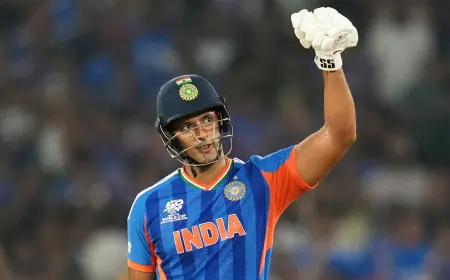


















Leave Abhishek Sharma alone! Team urges calm as young stars including aryan dutt face scrutiny


Team management has pushed back against mounting scrutiny of young players, insisting that excessive pressure will do more harm than good. With conversations intensifying around squad selection and form, officials stressed that clarity of plan and mindset is what matters for emerging talents such as Abhishek Sharma and aryan dutt.
Management warns against unnecessary pressure
In a clear appeal for patience, a team official said: "If we start stressing so much, I think players will be under unnecessary pressure. So he's in a good form. He's got clear plans. He's got a clear mindset. And that is what matters. " The comment reflects a deliberate stance from those overseeing preparation: prioritise the players' mental space and execution over external narratives about form or spot selections.
The message comes amid heightened attention on the squad's younger cohort. Rather than reacting to every performance fluctuation, management appears focused on long-term development and on providing clarity about roles so players can perform without being distracted by off-field noise.
Implications for aryan dutt and the squad
The call for composure extends beyond a single name. Young cricketers often arrive on the international stage amid amplified expectations, and that can quickly shift into counterproductive scrutiny when results don't immediately match the hype. Management’s stance suggests an environment that values clear communication about game plans, role clarity, and mental stability.
For players like aryan dutt, the immediate takeaway is simple: maintain the approach that earned selection, work on execution, and avoid being swayed by short-term criticism. The team’s emphasis on mindset and planning is a protective measure designed to allow talented youngsters to adapt at their own pace while still contributing when called upon.
Practically, the message signals two priorities. First, coaching staff are likely to give emerging players structured feedback and concrete tasks rather than subject them to public dissection. Second, team leadership is signalling continuity — trusting a player’s preparation rather than making knee-jerk changes based on a single outing.
Looking ahead: stability over reaction
As the competition schedule tightens, the balance between form, opportunity and patience will be tested. Management’s public intervention serves as a reminder to pundits and fans that short-term swings are part of player development. The hope is to foster an atmosphere where calculated risks are encouraged and mistakes are treated as learning opportunities rather than crises.
Ultimately, the success of this approach will be judged on whether players can translate calm and clarity into consistent performances. If the plan holds, the squad’s younger members will have the runway they need to grow into reliable contributors, and selectors can evaluate progress against a more meaningful baseline.
For now, the message is unambiguous: keep the pressure off, reinforce the plans, and let talent and mindset do the rest.