
















robert duvall Didn’t Mind Clashing With Directors

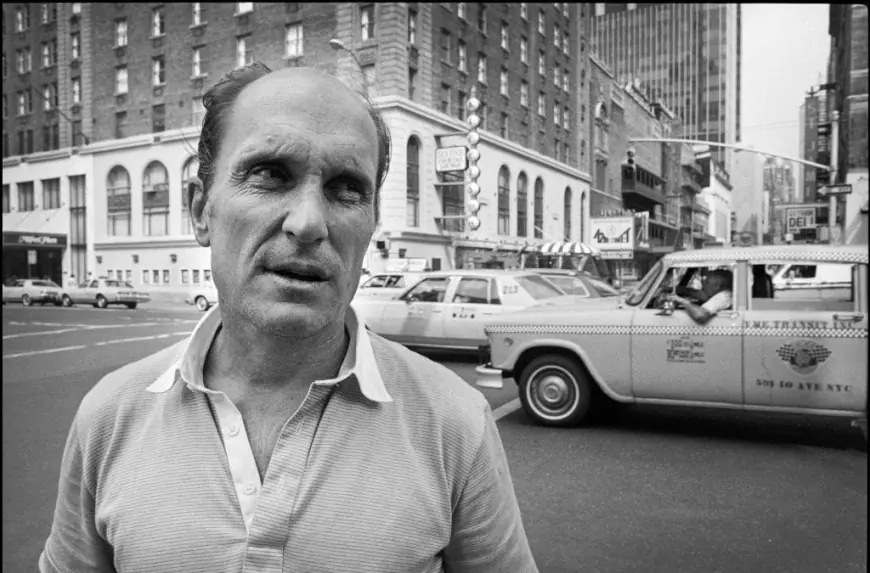
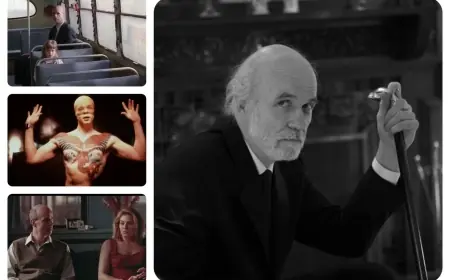
Robert Duvall, who died on Sunday at 95, built a reputation over decades as an actor who prized freedom over deference. He could be prickly with filmmakers, but that friction was part of a deliberate philosophy: leave the actor alone and the truth will come. The stance shaped his own work as an actor and director, and it influenced a younger generation of filmmakers and performers.
Defining a craft by resisting direction
Duvall’s argument was consistent: the best directors were often those who directed least. He told interviewers that actors must mine their own temperament — "your anger, your vulnerability — it’s got to be your temperament, without stepping out of that" — and that interference could rob a performance of authenticity. His approach produced some of his most memorable moments on screen. In a pivotal scene in a 1976 film, he used a real incident from his life to charge a firing scene with rawness. He recounted asking a producer to leave his dressing room, a confrontation he later drew on when his character dismissed a news chief.
That insistence on fidelity to inner life extended to his work as a director. Duvall made five feature films and said that when he directed, he tried to reverse the usual dynamic: let the actor bring the reality. "Because it’s their reality, because I don’t know them, " he explained, arguing that an actor’s history and instincts are the true source of a role. He viewed heavy-handed methods — the endless take-counting associated with certain auteurs — as inimical to honest acting. "How does he know the difference... " he once asked of a director known for dozens of takes, questioning whether repetition alone improved performance.
Fights over lines, collaborations and outcomes
Freedom for Duvall sometimes meant fighting over the text. During the making of an Oscar-winning performance, he sparred with a director about changing lines written by a longtime friend and frequent collaborator. Those disputes, he suggested, were less about ego than about finding the most truthful rendition of a character. The result of that particular film remains one of the most celebrated performances of his career and earned him the industry’s top acting prize.
Directors handled Duvall in different ways. Some found him a challenge but a galvanizing presence. One filmmaker called him "a handful, " but said that mixture of difficulty and brilliance made Duvall irresistible as a collaborator. Others embraced his push for autonomy; when he himself stood behind the camera, he encouraged actors to inhabit roles from the inside out rather than to be molded externally.
Mentor, inspiration and legacy
Duvall’s influence extended beyond on-set clashes. He could be a quiet mentor. A young actor who worked opposite him on a large historical production remembers being invited to dinner and receiving a short, transformative compliment that encouraged restraint and honesty. That moment helped redirect the young performer toward writing and directing; the resulting film would go on to win acclaim and carry traces of Duvall’s insistence on stillness and truth.
Peers and observers also weighed in on his stature. A playwright and critic who knew the craft well called him the best actor of his generation, pointing to a stage performance early in Duvall’s career as a model of truthful, unembellished work. Across a long career that included collaborations with major filmmakers, a well-earned Oscar, and stints behind the camera, Duvall remained steadfast in one conviction: let the actor be, and you are likelier to get something alive and human.
His death closes a chapter on a distinctly old-school, fiercely independent mode of screen acting. Whether he was labeled difficult or revered as a mentor, his central argument endures in the way many actors and directors approach truth on camera today.