























mark zuckerberg to testify in high-stakes trial that could cost Big Tech billions

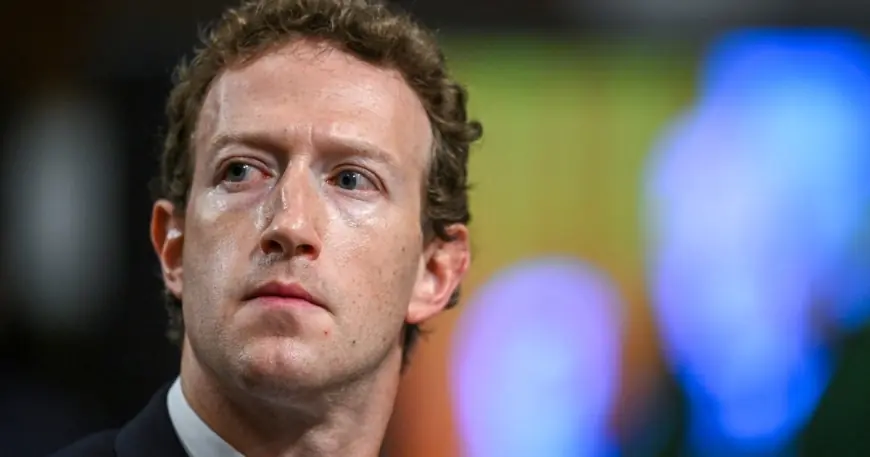
Meta CEO Mark Zuckerberg is set to take the witness stand Wednesday, Feb. 18, 2026 (ET), in a closely watched Los Angeles trial that could determine whether social media companies can be held liable for harms to children. The bellwether proceeding centers on claims that platform design choices intentionally hooked young users and contributed to severe mental-health consequences.
The case and the stakes
The lawsuit at the center of the courtroom drama, styled K. G. M. v. Meta Platforms, Inc., et al., was filed by a California woman identified by her initials. She alleges that early use of social apps led to addiction, worsening depression and suicidal thoughts, and that companies intentionally engineered features to maximize engagement among minors. If a jury sides with the plaintiff, the ruling could open the door to vast damages and force sweeping product changes across the industry.
Legal teams for the platform owners are defending long-standing investments in safety tools and parental controls and argue that many factors influence youth mental health beyond product design. The case presents a direct challenge to the protections of Section 230, the federal statute that has historically limited platform liability for user-posted content. A court rejection of that shield in this context could prompt an influx of similar suits and expose companies to multibillion-dollar liability.
Why Zuckerberg’s testimony matters
This will be the first time a Meta CEO has answered youth-safety questions under oath before a jury in a trial of this scale. Plaintiffs’ lawyers emphasize that testimony from top executives can reveal what company researchers and safety teams knew and whether business incentives outweighed concerns about children. Platform executives who have already testified in related proceedings have faced tough questioning on whether features were designed to be addictive or were simply meant to enhance user experience.
Leaders for the companies are expected to stress extensive safety work, investments in moderation and design changes intended to protect younger users. They will also point to outside influences in plaintiffs’ lives and user-posted content as complicating factors that make direct liability inappropriate. Still, plaintiffs argue that internal research and product decisions should be scrutinized and that families deserve accountability if corporate choices contributed to harm.
Broader fallout and related litigation
The Los Angeles case is only the bellwether of a nationwide wave of litigation. More than 2, 300 related lawsuits have been filed by parents, school districts and state attorneys general in federal courts, alleging a pattern of harm tied to social platforms’ growth and engagement strategies. Consolidated groups of plaintiffs include thousands of claimants spanning families and educational institutions, and some companies reached settlements in earlier phases of the litigation.
Beyond U. S. courts, regulatory scrutiny and public backlash have increased internationally, with lawmakers and regulators pressing platforms on how they protect young users. Separate legal actions in states such as New Mexico allege exposure of minors to sexual exploitation and other harms. For the tech companies, an adverse verdict could drive costly settlements, prompt product redesigns aimed at reducing addictiveness, and accelerate calls for legislative reform.
Judges, jurors and executives will be watching closely. The trial not only tests legal theories about platform responsibility but also poses a broader question about how society balances innovation, profit and the safety of young people who spend growing portions of their lives on these services.