

















Benfica's rising star gianluca prestianni denies racial abuse as UEFA opens probe

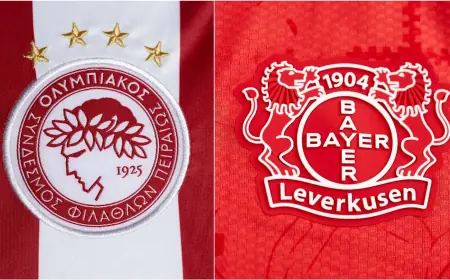
On Tuesday, Feb. 17 (ET), a Champions League knockout play-off in Lisbon was interrupted when Real Madrid forward Vinicius Jr alleged he was racially abused by Benfica winger gianluca prestianni. The match resumed after an extended stoppage and finished 1-0 to the visitors, but the incident has sparked a high-profile disciplinary inquiry and fresh debate about racism in football.
What unfolded on the pitch
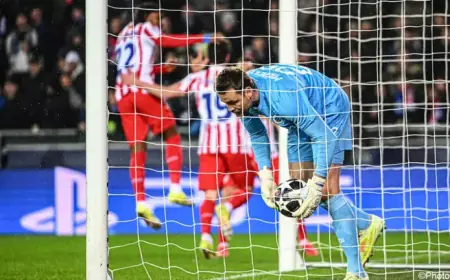
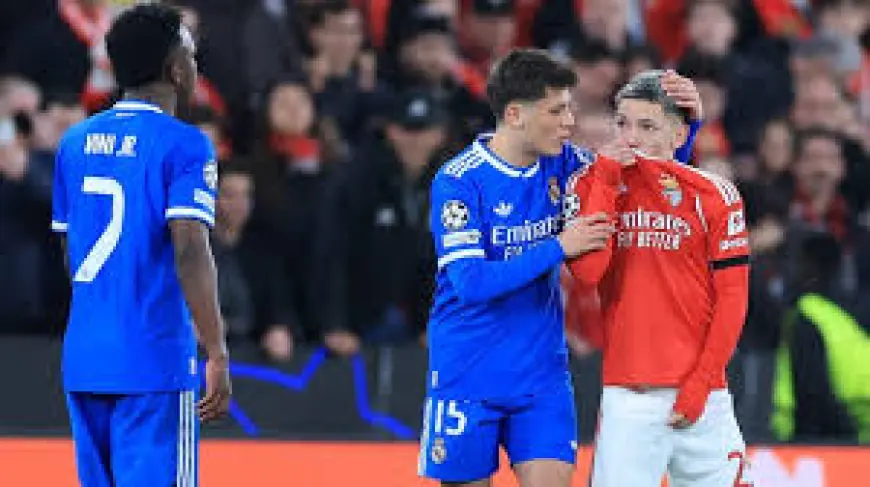
Vinicius scored the game’s only goal in the 50th minute and celebrated in front of the home support. Minutes later he confronted officials and gestured toward Prestianni, prompting referee François Letexier to implement FIFA's anti-racism protocol and pause the match for about 11 minutes. Broadcast footage appeared to show Prestianni covering his mouth with his shirt when he approached, while teammates from Real Madrid signalled that a racist slur had been used.
Prestianni has issued a public denial, stating he did not direct racist insults at Vinicius and suggesting the claim stemmed from a misunderstanding. Benfica expressed strong support for their player and described him as the target of a damaging campaign. Vinicius said on social media that racists are cowards and that the gesture of covering the mouth reflected weakness. Team-mates backed Vinicius, with one teammate saying they heard a derogatory term repeatedly.
The immediate aftermath also produced contentious comments from Benfica's manager, who criticised the celebration and suggested the situation might have been provoked, while invoking the club’s history to reject institutional racism. Those remarks have intensified public discussion about how clubs and managers respond when allegations of racial abuse surface.
Investigation, precedent and possible outcomes
European football's governing body has opened an ethics and disciplinary inquiry. An inspector has been appointed to gather testimony from the players, officials and match observers, and the process is expected to take days or weeks rather than hours. With the second leg scheduled for next week, Prestianni is likely to remain available for selection while the probe continues.
There is precedent for lengthy investigations and substantial sanctions in similar cases. In a notable past incident, a player received a ten-match ban for racist conduct after an inquiry that extended beyond the match itself. UEFA’s guidelines set a minimum suspension of ten matches for racist behaviour and recommend that disciplinary measures be paired with awareness and educational programmes at club level. Any final decision will follow the formal disciplinary process and will weigh the available evidence, witness statements and video material.
Beyond potential bans, the case raises questions about the effectiveness of in-game protocols. FIFA’s three-step anti-racism procedure allows referees to halt play and take escalating actions up to and including abandonment of a match, but critics say implementation can be inconsistent and investigations too slow to deliver timely justice.
Wider debate: players, clubs and accountability
Vinicius has endured repeated incidents of alleged racial abuse during his career; his claims in Lisbon mark the latest in a pattern that spans years and multiple competitions. That history feeds a broader debate about how much responsibility rests with clubs, authorities and governing bodies to protect players and deter misconduct among supporters and opponents.
Reactions have been polarised. Some voices call for swift, unequivocal punishments and stronger preventative work, while others emphasise the need for careful, evidence-based investigations to avoid wrongful accusations. For now, the inquiry underway will determine whether formal charges are brought and what sanctions might follow. Meanwhile, the episode has once again cast a spotlight on racism in football and the challenge of reconciling high-stakes competition with the need for respect and protection for all players.