














Mourinho accused of gaslighting over Vinicius claim against prestianni

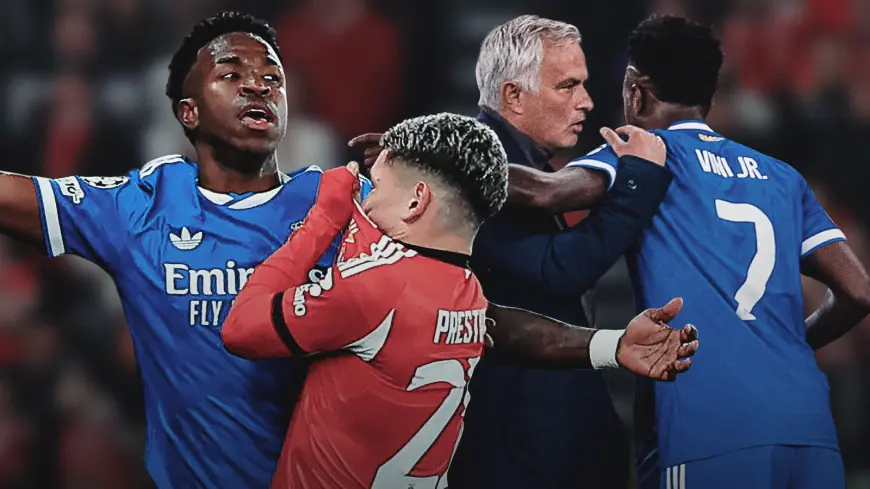
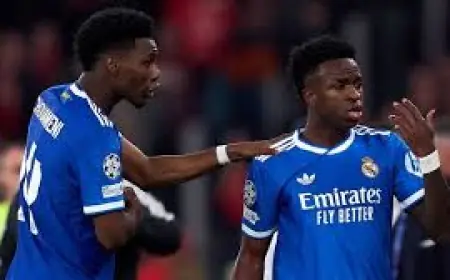
UEFA has opened an investigation after Real Madrid forward Vinicius Junior said he was racially abused by Benfica teenager Gianluca Prestianni during the Champions League knockout playoff first leg. The incident halted play for roughly 10 minutes and has sparked a heated debate after Benfica manager José Mourinho’s post-match remarks were criticised by anti-discrimination campaigners and former players.
What Mourinho said and why it provoked backlash
Mourinho suggested that Vinicius’ celebration after scoring had played a role in the altercation and described the pair as offering different accounts of what was exchanged. He advised players to celebrate and then “walk back” and said there was a broader pattern of incidents at stadiums where Vinicius plays. Those comments drew swift condemnation from campaigners who argued they shifted focus away from the allegation and minimised the experience of the player who reported the abuse.
Critics characterise the response as a form of gaslighting: by emphasising the context of the celebration and pointing to prior episodes, the argument goes, leadership attention was diverted from the immediate complaint. Former players on commentary duty also criticised the line of argument, warning that it risks normalising racial abuse when attention falls on provocation rather than the alleged abuse itself.
Investigation, denials and club reactions
UEFA has appointed an ethics and disciplinary inspector to look into the incident, noting that any player found guilty of racist conduct faces a minimum suspension of 10 matches. The investigation is expected to take weeks rather than days, leaving the accused available for selection for the return leg on Feb. 25, 2026 (ET) unless disciplinary action is swiftly taken.
Prestianni has denied directing racist insults, posting that the Real Madrid player “misunderstood what he thought he heard” and expressing regret for threats he said he had received afterwards. Benfica reiterated its full support for the teenager, praising his conduct and rejecting what the club described as a campaign that had damaged the player’s reputation. The club also released images and footage arguing that, given the distance between the players, others could not have heard the exchange as claimed.
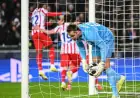
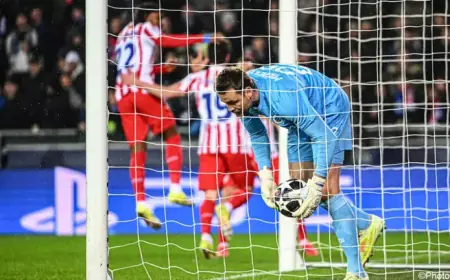
Vinicius’ complaint to the referee activated the anti-racism protocol and halted the match after cameras caught him notifying officials. Teammates and opponents were involved in conversations on the touchline as the situation was managed and the players returned once play resumed.
Implications for leadership and the wider game
Anti-discrimination campaigners stressed that leaders in football have a duty to place the welfare of the person making a discrimination report at the centre of their response. They called for careful, independent investigation and for accountability that matches the outcome of that inquiry. The dispute has reopened familiar debates about how clubs, managers and governing bodies handle allegations of racism, and whether institutional responses sufficiently support victims while ensuring a fair process for the accused.
With UEFA’s process now under way, the case will examine not just what was said but how clubs and match officials responded on the night. The outcome could influence disciplinary precedent and the expectations placed on managers when sensitive allegations surface in high-profile fixtures.
As the investigation proceeds over the coming weeks, attention will remain on both the disciplinary findings and on how football’s leadership frames its response to protect players and reinforce standards of respect and inclusion across competitions.