

























irs: What a federal shutdown could mean for your tax refund and how to avoid delays

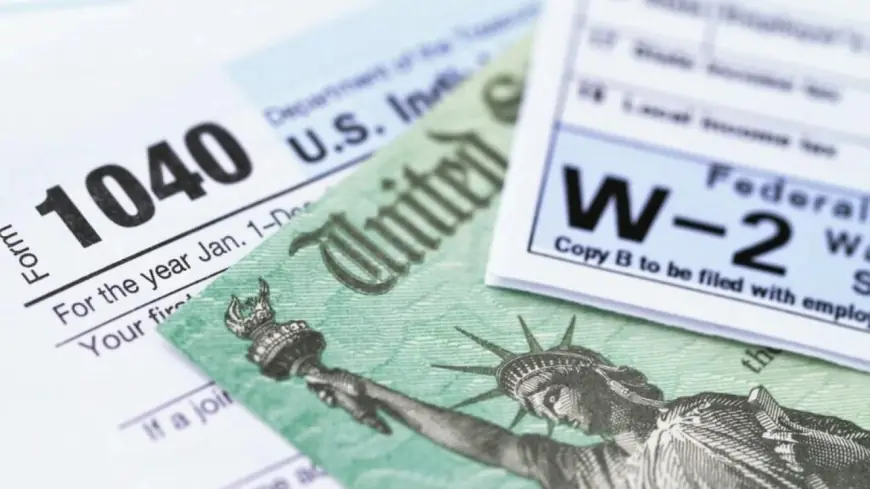
A partial federal government shutdown does not automatically stop tax processing, but it can create snags for some refunds. Automated systems continue to run, which means many electronically filed returns with direct deposit will clear in the usual window. Still, returns that require human intervention — especially those claiming refundable credits — can encounter longer waits if staffing is reduced.
How the irs continues processing returns during a shutdown
Automated systems used to accept and process most e-filed returns remain operational during a shutdown. For taxpayers who file electronically, select direct deposit and submit returns with no errors, the typical turnaround remains close to three weeks from processing acceptance. The agency’s online refund tracker updates daily and usually reflects status changes within 24 hours of e-file acceptance.
That said, automated processing only covers straightforward returns. When a return hits an exception — mismatched information, math errors, identity concerns or returns that trigger built-in verification rules — it is flagged for manual review. If federal staffing is restricted, those flagged returns can sit in queues longer than normal, slowing any refund tied to that review.
Which refunds are most likely to lag and why
Certain refundable credits and special forms are the most frequent causes of hold-ups. Refundable credits such as the Earned Income Tax Credit and the Additional Child Tax Credit require extra verification steps by law, so those claims cannot be fully cleared by automation. Other triggers include claims that involve injured-spouse allocations, returns with identity verification questions, or filings that include unusual income or deduction patterns.
Tax professionals warn that returns with these elements are more vulnerable to delays during staffing shortages. A local certified financial planner notes that most refunds should continue moving, but added manual reviews will be the chokepoint if the payrolls that handle those checks are trimmed.
Steps taxpayers can take now to minimize delays
Taxpayers can reduce the chance of a hold and shorten any delay by taking a few practical steps. File electronically and choose direct deposit; that is the single most effective move to speed a refund under normal and strained conditions. Double-check Social Security numbers, bank account numbers and names to avoid simple errors that trigger manual review.
Use the agency’s online refund tracker for daily updates and wait at least 21 days from the date your return was accepted before raising alarms. If there is no change after four to five weeks, consider contacting the agency directly. Keep copies of W-2s, 1099s and other supporting documents readily available in case the agency requests verification. For taxpayers claiming refundable credits, be prepared for longer processing times and to provide documentation if contacted.
Finally, remember that a federal shutdown does not affect state tax agencies in every state. For residents in areas served by separate state tax systems, checking your state refund portal is a parallel step that will clarify whether a refund delay is a federal or state issue.
With careful filing and patience, most taxpayers will see routine refunds proceed on schedule. Those claiming refundable credits or facing identity or verification flags should plan for the possibility of extended review times and prepare documentation to help resolve any hold as quickly as possible.