



















NFL Star Hit With $1 Million Claim: rashee rice Named in Domestic Violence Lawsuit

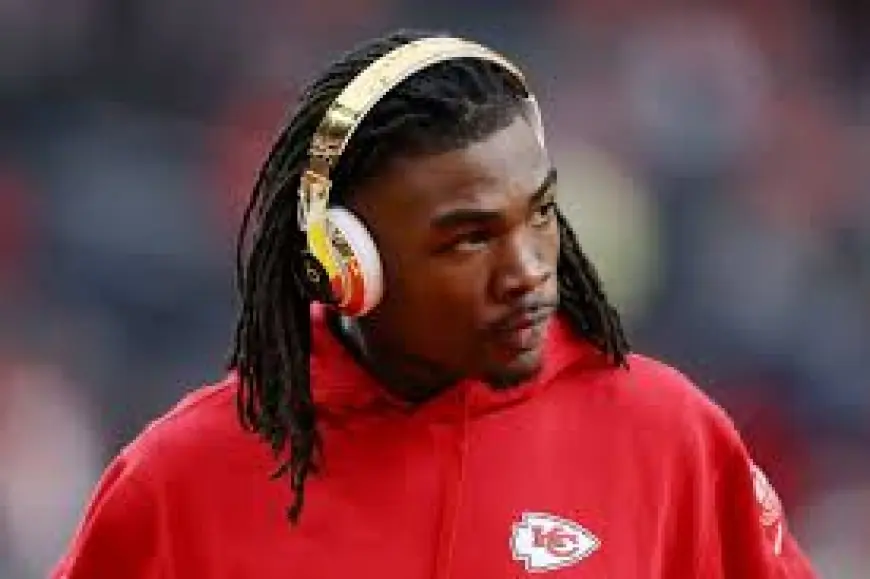
A former partner has filed a civil suit seeking $1 million in damages, alleging domestic violence by NFL wide receiver rashee rice. The claim — lodged in civil court — centers on allegations that span both physical harm and emotional distress, and it sets up a legal and reputational test for the young athlete.
Details of the Claim
The complaint names rashee rice as the defendant and seeks roughly $1 million in compensatory and punitive damages for alleged assault and related harms. The filing outlines a series of incidents that the plaintiff says caused physical injury and ongoing emotional trauma, and it asks the court to hold the player financially accountable.
Legal pleadings in cases like this commonly include requests for medical expenses, pain and suffering, and damages tied to loss of earnings or mental anguish. The complaint also typically requests that the court consider punitive damages if the conduct is deemed particularly severe. Whether the case moves to trial or resolves through settlement will depend on evidence, witness testimony, and potential mediation talks between parties.
At this stage there has been no court verdict. The civil process is separate from any criminal investigation; a civil claim does not automatically trigger criminal charges, nor does the absence of a criminal charge preclude civil liability. Plaintiffs in civil suits carry the burden of proving their claims by a preponderance of the evidence, a lower standard than the criminal requirement of proof beyond a reasonable doubt.
Potential Impact on NFL Career and Off-Field Consequences
An active civil suit can have immediate repercussions for a professional athlete’s career. League policies allow for disciplinary action independent of courtroom outcomes, and teams weigh legal distractions when making roster and contract decisions. Even without a criminal conviction, high-profile allegations can prompt internal reviews, fines, or suspension under the NFL’s personal-conduct framework.
For a player under contract, civil litigation can complicate contract negotiations, endorsement opportunities, and public perception. Teams and sponsors often assess legal risk and reputational fallout; organizations may seek assurances about a player’s off-field behavior or reserve the right to respond if new information emerges during litigation.
From a public-relations standpoint, legal matters of this nature tend to draw immediate attention and require careful messaging. Players and their representatives frequently balance the desire to protect legal strategy with the need to manage public statements. A tightly coordinated approach that respects the legal process is common while litigation is pending.
Legal Timeline and What Comes Next
The next procedural steps in this civil action will likely include formal service of the complaint, a response from the defendant, and an initial court schedule setting deadlines for discovery and potential hearings. Discovery can involve document exchanges, depositions, and requests for evidence that both parties will use to build their cases.
Many civil disputes resolve before trial through settlement talks or mediation; however, if the parties cannot reach agreement, the matter could proceed to a jury trial where a judge or jury would evaluate the evidence and any damages. The pace of the case will be shaped by court calendars, attorneys’ strategies, and whether either side seeks expedited rulings on particular issues.
As this situation develops, updates will center on court filings, any criminal inquiries that might arise, and statements issued by the parties involved. For now, the filing of a $1 million claim marks a significant escalation in a personal dispute that now plays out in the civil-justice system, with potential consequences that extend into the professional arena.