























aryan dutt and the wider selection debate as team urges: Leave Abhishek Sharma alone

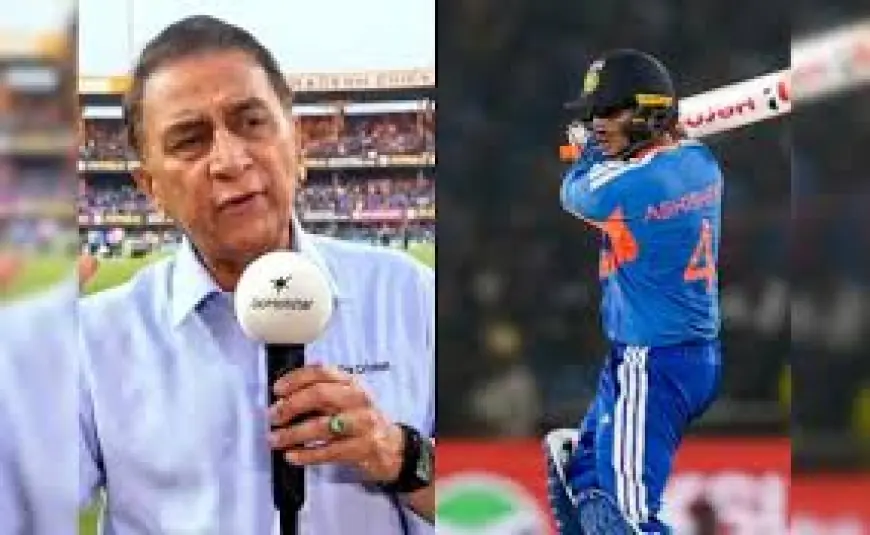
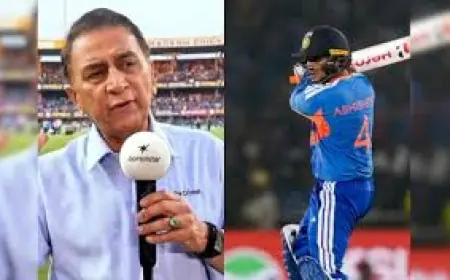
Team management has pushed back on mounting scrutiny of young batter Abhishek Sharma, urging a hands-off approach as the T20 World Cup approaches. The defence comes amid fresh talk about squad balance and the roles of players such as aryan dutt, with selectors under pressure to blend form, potential and temperament.
Management defends Abhishek Sharma — focus on mindset, not headlines
As conversations around team composition intensify, management emphasised the importance of preserving a young player's confidence rather than amplifying public criticism. "If we start stressing so much, I think players will be under unnecessary pressure. So he's in a good form. He's got clear plans. He's got a clear mindset. And that is what matters, " the camp stated, stressing process and preparation over short-term noise.
The message from the dressing room is familiar: cricket at the highest level demands consistency, and that is cultivated through patient management. The leadership's stance is that sustained backing allows players to express themselves freely in high-pressure tournaments rather than being hamstrung by fear of public censure. For Abhishek Sharma, who has flashed match-winning ability, the priority is refining game plans and mental resilience rather than reacting to every performance cycle.
Where aryan dutt fits in — youth prospects shape selection questions
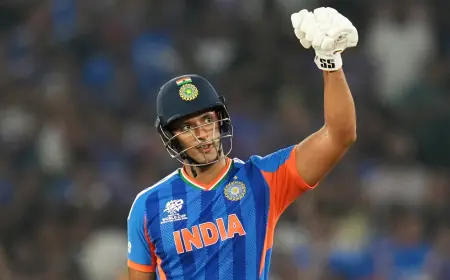
Parallel to the Abhishek debate is a growing interest in the roles of emerging players like aryan dutt. As teams weigh combinations, the debate often centres on how to integrate promising youngsters without disrupting team balance. Aryan Dutt represents the type of multi-dimensional player whose presence forces selectors to consider match-ups, pitch conditions and strategic depth.
Decisions on whether to prioritise experience or form are rarely straightforward. Players such as aryan dutt offer fresh tactical options — be it with the bat, ball or in the field — that can be pivotal in the condensed, high-octane format of the T20 World Cup. However, management insists those opportunities should be afforded in a way that protects developing players from excessive pressure while still testing them in meaningful situations.
Selection balance: protecting talent while chasing results
The core challenge for selectors is striking an equilibrium between backing potential and chasing immediate results. Management's public defence of Abhishek Sharma is also a reminder of that balancing act: nurturing talent through clear plans and stable support structures rather than constant reactive shifts.
For coaching staffs and selection committees, the strategy will likely prioritise clearly defined roles. When a youngster knows their remit, preparations can be targeted — from bespoke net sessions to psychological support. That clarity is what management says will ultimately decide whether players like Abhishek Sharma and aryan dutt can convert promise into consistent impact on the global stage.
With tournament cricket looming, the coming weeks will test how well that approach holds up under competitive pressure. The leadership’s message is unambiguous: external speculation should not disrupt internal development. The hope is that measured stewardship will allow the team to harness youthful energy without sacrificing the composure needed to succeed in major events.