iphone 18 Launch Could Bring eSIM-Only Models to Europe in 2026

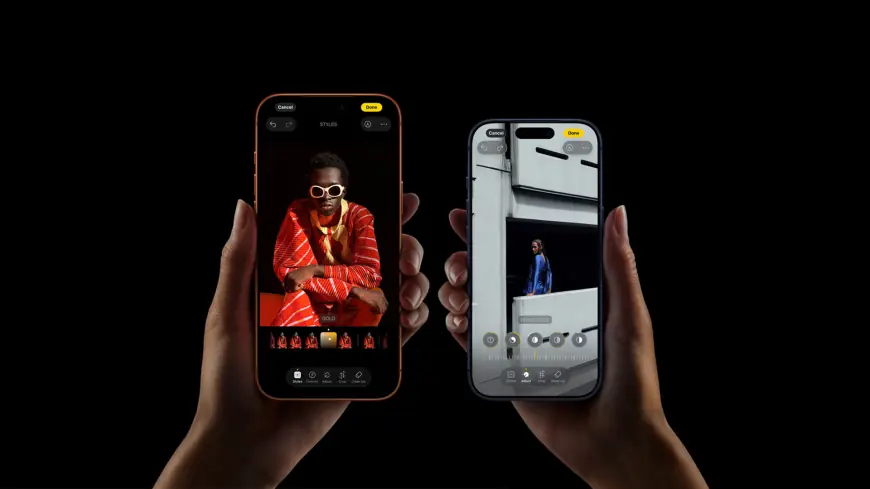
Apple's next-generation handset cycle looks set to accelerate a shift away from physical SIM trays. Early indicators point to broader eSIM adoption for the iphone 18 lineup in 2026, a change that could reshape device internals, battery capacity and user activation workflows across multiple markets.
eSIM expansion and regional impact
Plans for expanding eSIM-only configurations beyond the United States are gathering momentum. If regulators clear the path, the move would put fully SIM-free models into play for several European countries that currently still rely on physical SIM trays. Removing the tray simplifies industrial design and creates a single global build that can be deployed in more markets without variant-specific hardware.
The switch to embedded SIMs is not just a manufacturing detail. For consumers it means easier carrier switching, potentially faster activation, and fewer lost or damaged SIM cards. But the transition also highlights practical hurdles: users migrating from Android phones often rely on a physical card swap, and carrier provisioning systems in some regions remain uneven. Carriers and device makers will need to streamline onboarding flows and provide clearer support for older customers and users who manage multiple phone numbers.
Design trade-offs, battery and connectivity gains
One immediate hardware benefit of ditching the SIM tray is the additional internal space that designers can reallocate. Engineers can use that room for larger batteries, improved heat dissipation or enhanced camera components without changing the device's external footprint. Leaks suggest the high-end iphone 18 Pro Max could see battery capacities nudged into the 5, 100–5, 200mAh range on eSIM-only variants, improving real-world endurance for power users.
Connectivity is also expected to get a refresh. Next-gen wireless and modem silicon referenced in early chatter promises support for both mmWave and sub-6GHz 5G bands, paired with more efficient fabrication nodes for modem components. Combined with a next-generation application processor built on an advanced fabrication process, these upgrades could deliver measurable gains in performance per watt and networking throughput without compromising battery life.
Despite these upsides, rolling out eSIM-only models will test carrier readiness in markets where physical SIM usage remains the norm. Retail handoffs, secondhand device transfers and local shop activations will need updated tooling and training to avoid consumer friction.
Timing, pricing and what buyers should watch for
The current timeline points to a mainstream introduction in September 2026 (ET), with the Pro-tier models being key showcases for the eSIM strategy. Early pricing estimates place the iphone 18 Pro near a familiar entry point for flagship handsets around $1, 099 in the U. S., and the Pro Max positioned near $1, 199, suggesting the company aims to keep headline prices steady even as hardware shifts occur.
Buyers should watch three areas as launch approaches: regulatory approvals in target markets, carrier readiness for eSIM provisioning and the availability of non-eSIM variants. If regulators in Europe approve SIM-free designs, the company could standardize eSIM across more SKUs; if not, dual approaches may persist in some countries. Additionally, rumors of a foldable device and an increasing focus on on-device AI hint at a broader product roadmap that will leverage the extra internal space freed by eSIM adoption.
For consumers, the transition will be incremental. Early adopters and customers who already use eSIM-capable plans will benefit first from cleaner hardware and longer battery life. Those tied to legacy workflows may face a short adjustment period as carriers and retail channels adapt. Overall, the push toward eSIM in the iphone 18 cycle marks a notable step in modernizing handset architecture and simplifying long-term connectivity management.