Ethics and errors: pam bondi's hearing deepens scrutiny over Epstein file release

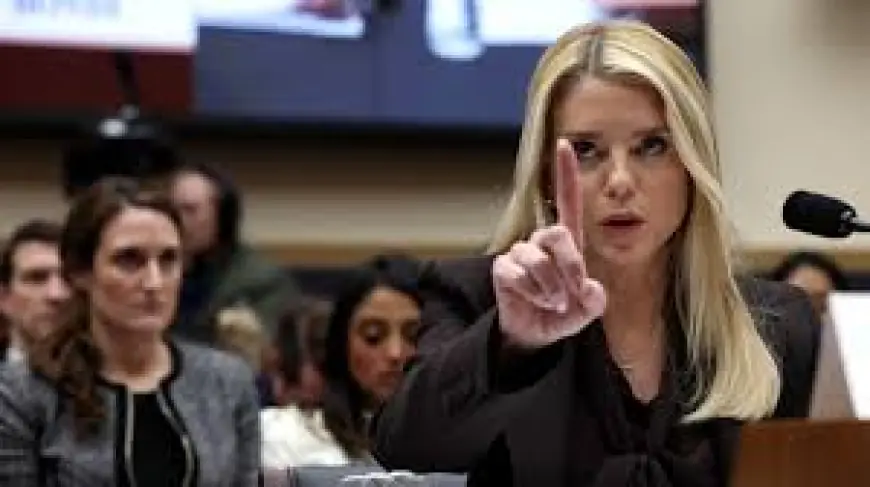
The Attorney General, pam bondi, came under intense fire this week as lawmakers and survivors reacted to a contentious congressional hearing and a bungled release of files tied to Jeffrey Epstein. The episode has amplified questions about the Justice Department’s capacity to protect victims’ privacy while balancing transparency and political considerations.
Confrontation in the hearing room
The hearing offered a stark tableau: victims of Jeffrey Epstein in the gallery and the Attorney General on the witness stand. When given the chance to apologize for the department’s handling of the files, she declined and instead demanded that Democrats apologize to the President. Her exchanges with committee members grew personal and pointed, including taunts directed across the aisle. She labeled the ranking member a "washed-up, loser lawyer" and mocked a Republican congressman involved in forcing the documents’ release as a "failed politician. " At one point she even referenced the Dow Jones industrial average surpassing 50, 000 in response to a question she rejected.
Those present described the testimony as combustible and emblematic of deeper dysfunction: a political spectacle unfolding where many had hoped to see accountability and repair for long-suffered harms.
Document release criticized for exposing victims and protecting elites
The Justice Department’s public release of Epstein-related materials has been widely criticized as incompetent and harmful. In a misstep that stunned advocates, the department uploaded dozens of unredacted images to its website, including nude photographs of young women and possibly teenagers. Survivors who have already endured a fraught legal process expressed fury and humiliation that their identities and images were not protected.
At the same time, the release has been selective: lawmakers who reviewed the files say a large portion remains redacted, keeping the identities of several wealthy or powerful men hidden. Nearly 80 percent of the material was withheld in some reviews, leaving unanswered questions about why some figures appear shielded while survivors’ dignity was compromised. The inconsistency has fueled accusations that transparency was wielded unevenly, with privacy broken for some and reputation preserved for others.
Advocates and survivors called the handling a betrayal. One survivor described the release as "hard to imagine a more egregious way of not protecting victims, " saying the department shattered trust already strained by past failures to hold wrongdoers fully to account.
Political fallout and calls for reform
The mix of theatrical testimony and operational errors has escalated pressure for oversight and reform. Lawmakers are expected to press for clearer protocols and safeguards to prevent further exposure of sensitive materials tied to criminal investigations and victims. The episode has also sharpened partisan lines, with critics arguing the department prioritized political allies and slow-walked transparency until compelled to act.
For the Attorney General, the immediate consequences are reputational: allies and opponents alike are weighing how the episode affects confidence in the Justice Department’s stewardship of delicate records. For victims, the damage is more personal and enduring. The controversy makes a renewed push for procedural changes—stronger redaction standards, independent review mechanisms and accountability measures—more urgent, even as debates over motive and responsibility intensify in the coming weeks.
As investigations and oversight continue, the central questions remain the same: how to balance transparency with safeguarding victims, and how to ensure that political calculations do not determine whose privacy is protected. The outcome of that debate will shape both the immediate response and longer-term reforms within the Justice Department.