
























Ramadan 2026: When the Holy Month Is Expected to Begin and What to Know

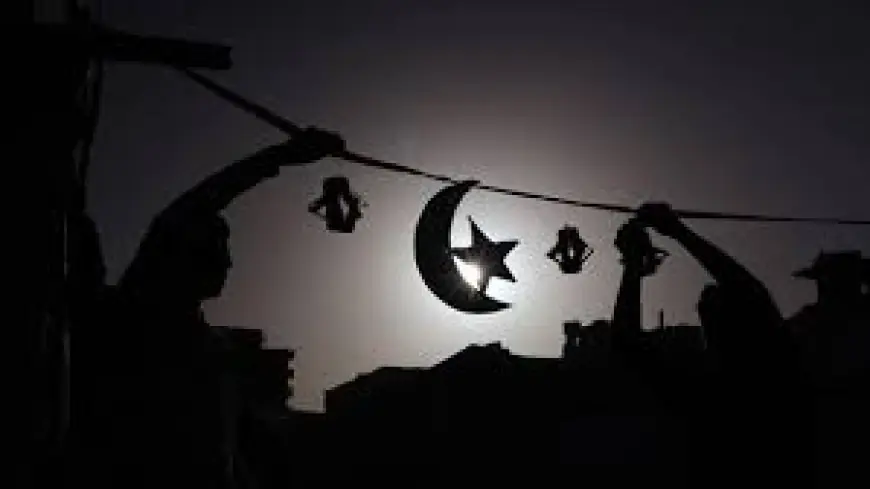
Muslims around the world prepare each year for Ramadan, the month of fasting, prayer and community. Based on astronomical calculations and standard lunar-cycle patterns, Ramadan 2026 is expected to begin in mid-February 2026. Exact start and end dates will depend on local moon sightings and community announcements, but estimates give communities a narrow window for planning.
Estimated dates and timing (all times ET)
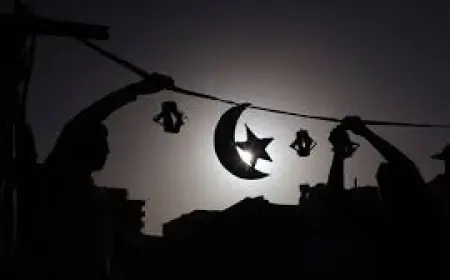
Astronomical projections indicate that the new moon correlating with the start of Ramadan will likely be visible in many parts of the world around February 16–17, 2026 (ET). Many Muslim communities that rely on astronomical calculations anticipate the fasting month to begin at sundown on February 16, with the first full day of fasting on February 17, 2026 (ET). For communities that follow direct moon-sighting traditions, local observation may move the start by a day, either earlier or later, depending on weather and horizon visibility.
Based on a typical 29- or 30-day lunar month, the end of Ramadan — and the celebration of Eid al-Fitr — is projected to fall around March 18–19, 2026 (ET). As with the start date, the exact day for Eid will be confirmed by local sighting committees or religious authorities in each region.
Moon sighting versus astronomical calculations
There are two primary approaches communities use to fix Ramadan dates: astronomical calculations and local moon sightings. Many mosques and organizations now publish calculated timetables well in advance, which are useful for personal and organizational planning. Others maintain the traditional practice of sighting the new crescent with the naked eye or optical aid, which can delay a public start declaration by a day in some locations.
Weather plays a major role in sighting-dependent communities; cloud cover or atmospheric conditions can obscure the crescent and lead to staggered starts between neighboring regions. Travelers, multi-city families and institutions such as schools and workplaces should expect some variation and await local announcements from their community leaders or religious centers.
Practical considerations for 2026 observance
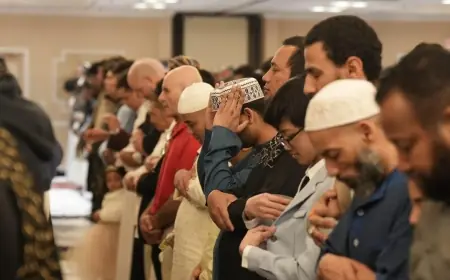
With Ramadan anticipated in mid-February, fasting hours in most regions will be shorter than in summer-month Ramadans, easing some physical strain during long daylight fasts. Still, communities will plan mosques’ schedules for taraweeh prayers, charity drives, and communal iftars, often issuing timetables well in advance.
Employers and public institutions are increasingly conscious of Ramadan-related needs and may offer flexible scheduling or accommodations for prayer and fasting. Muslim students and employees should coordinate with schools and workplaces ahead of the month to manage exam schedules, work shifts, and meal breaks.
Families and community organizations typically begin preparations several weeks beforehand: setting charitable goals, arranging iftars, and confirming Ramadan schedules with local leaders. Health guidance for fasting people with medical conditions remains important; many health professionals recommend consulting a healthcare provider before Ramadan to discuss safe fasting options.
Because the exact date will be confirmed by local observation or religious authorities, people are advised to watch for announcements from their community centers in the days leading up to the expected start. Keeping an eye on local prayer timetables, mosque calendars, and community bulletins will help individuals and organizations finalize plans for Ramadan 2026.