




















When Is ramadan 2026? Start and End Dates for the Muslim Holy Month

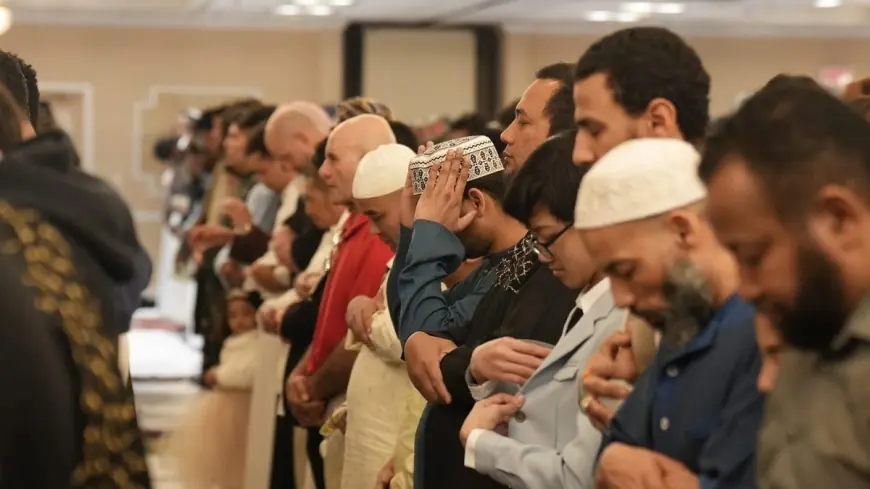
Muslim communities worldwide are preparing for ramadan, the ninth month of the Islamic lunar calendar, which is expected to begin in mid-February 2026. Exact start and end dates vary by location and by how communities determine the sighting of the new moon.
Projected start and end dates for 2026
Most calendars place the start of ramadan in 2026 on either Wednesday, Feb. 18, 2026 (ET) or Thursday, Feb. 19, 2026 (ET), with some communities observing the moon sighting late on Tuesday evening, Feb. 17, and beginning the fast on Wednesday, Feb. 18 (ET). The month typically lasts 29 or 30 days depending on the lunar cycle, so the end of ramadan and the celebration of Eid al-Fitr are expected on either Wednesday, March 18, 2026 (ET) or Thursday, March 19, 2026 (ET), with some calendars placing Eid on Friday, March 20, 2026 (ET) for communities that began later.
In several countries in the Middle East, officials have declared Wednesday, Feb. 18, 2026 (ET) as the first day of ramadan. Other governments and religious authorities in different countries have announced Thursday, Feb. 19, 2026 (ET) as the start. These differing announcements reflect long-standing variations in practice rather than a single global timetable.
Why the dates differ: moon sighting and methods
Ramadan begins with the sighting of the new crescent moon, and because visibility depends on weather, horizon conditions and geographic location, start dates can vary by a day or more. Communities follow different methodologies: some wait for a local visual sighting of the crescent, others rely on regional or national moon-sighting committees, and an increasing number accept astronomical calculations that predict the crescent's visibility.
Those choices influence whether communities break their fast on one date or another. The result is that neighbors in the same city, mosques in the same region, or countries in the same time zone may observe the start of ramadan on different calendar days. For planning purposes, families, employers and institutions are advised to watch local community announcements in the days leading up to the expected start.
What to expect during ramadan
Ramadan is a month of fasting, prayer, reflection and community. Observant Muslims abstain from food and drink from dawn until sunset each day, beginning with a pre-dawn meal called suhoor and ending nightly with iftar, the meal that breaks the fast. The fasting practice is one of the five pillars of Islam for those who are healthy and able.
Beyond abstaining from food and drink, many people use ramadan for increased spiritual focus: additional prayers, recitation of the Quran, charity and acts of service. Mosques often host nightly communal prayers and gatherings after iftar. The month culminates in Eid al-Fitr, a joyous holiday marking the end of fasting and the start of a new month in the Islamic calendar.
Because ramadan in 2026 may overlap with other cultural events in some places, such as Lunar New Year festivities or Carnival celebrations, communities and local officials may issue guidance to help manage public observances and work schedules. Observant Muslims, employers, schools and public services commonly coordinate to accommodate altered hours and increased community activity during the month.
As the expected dates approach, individuals and institutions should monitor announcements from local mosques and community leaders for the confirmed start of ramadan in their area. The month’s timing will be finalized once the new moon is sighted or a community’s chosen method confirms the transition to the ninth lunar month.