




















usa hockey rivalry heads to another Olympic gold‑medal showdown

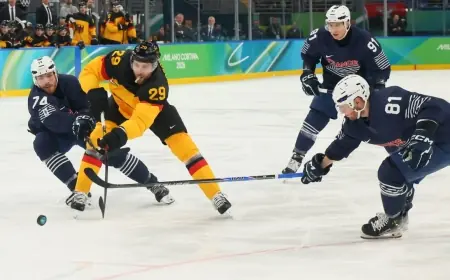
The United States and Canada will meet in Thursday's Olympic gold‑medal game (Feb. 20, ET), renewing one of the fiercest rivalries in team sport. Few contests deliver the same mix of elite skill, raw emotion and physical intensity, and this edition is shaped by an American defense that has been nearly impenetrable and a Canadian group that has weathered illness and injury to reach the final.
How the rivalry hardened
The animus between the two programs stretches back decades and predates women’s Olympic hockey. Early matchups were marked by a defensive closeness off the ice that often mirrored what happened on it: thin smiles, strategic silence and an effort to gain even the smallest psychological edge. Those early tensions—so vivid that some players avoided sharing elevators—set a tone that has threaded through every major tournament since the sport’s Olympic debut.
Over time the two countries’ players began to mix more in college and pro leagues, but familiarity has not cooled intensity. Games between these national teams routinely feature high stakes, physical confrontations and, on occasion, line brawls that remind spectators this is more than a rivalry of skill; it is a rivalry of pride and national expectation.
Road to Thursday: dominance, setbacks and a returning star
The United States enters the final as the heavy favorite, buoyed by a defensive run that has produced consecutive shutouts and a tournament record for minutes without conceding a goal. Their path to the gold‑medal game has been punctuated by lopsided victories and a depth of scoring; multiple players have contributed in every match and the U. S. has outscored opponents by a wide margin.
Canada’s tournament has been far less straightforward. A team illness disrupted early scheduling and robbed the field of continuity, and an injury to the nation’s captain and best player created real questions about Canada’s medal prospects. That star forward returned in the quarterfinals and has since climbed the Olympic scoring charts, passing long‑standing marks and providing the veteran leadership Canada needed to advance.
Despite a preliminary round meeting that ended in a heavy loss for Canada, gold‑medal games between these teams rarely follow the script of earlier matches. Both sides have evolved strategically, and momentum can shift at high speed when veterans and young stars collide.
What to expect in the final
Expect a tactical chess match that still allows room for emotional spikes. The U. S. style this week has emphasized structure in the neutral zone, quick transitions and goaltending that forces opponents into low‑percentage chances. Canada will lean on veteran poise and the scoring touch of its returning leader, who has produced timely goals since returning to play.
Special teams and discipline could determine the outcome. Penalties will magnify the importance of depth scoring, with power plays offering prime opportunities for momentum swings. Given the rivalry’s history, coaches and players also know that tempers flare and retaliation can reshape a game’s tone; officials and leaders on both benches are acutely aware that control will be as valuable as creativity.
Whatever the final score, Thursday’s clash will add another chapter to a rivalry that has defined women’s hockey for decades. It is a matchup built on history, elevated by contemporary stars and driven by the simple fact that both teams are playing for Olympic gold. Expect a tense, physical, high‑stakes game that will be debated long after the final horn.