






















Norway's paradox: Winter dominance but missing in mens hockey olympics

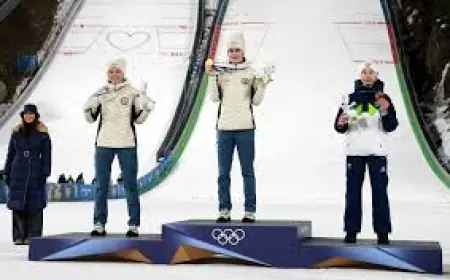
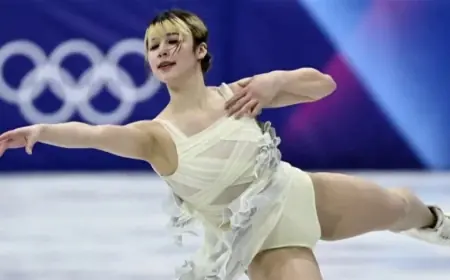
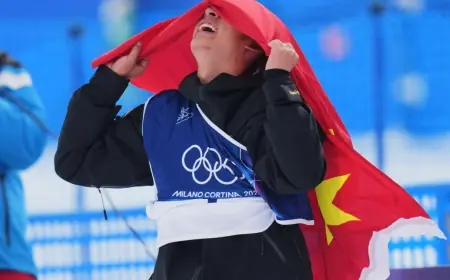
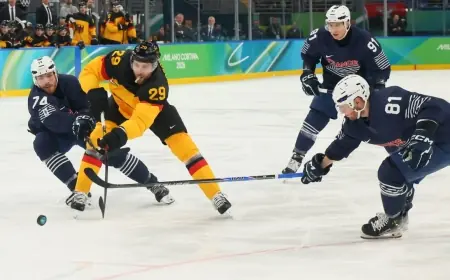
Norway is a titan of Winter Olympic sport, yet its national ice hockey programs continue to trail regional peers. The gap is visible in player pools, facilities and international results — most recently in the failure to reach the Olympic hockey tournaments and the men's team coming within a single win of qualifying for 2026.
Numbers expose the chasm
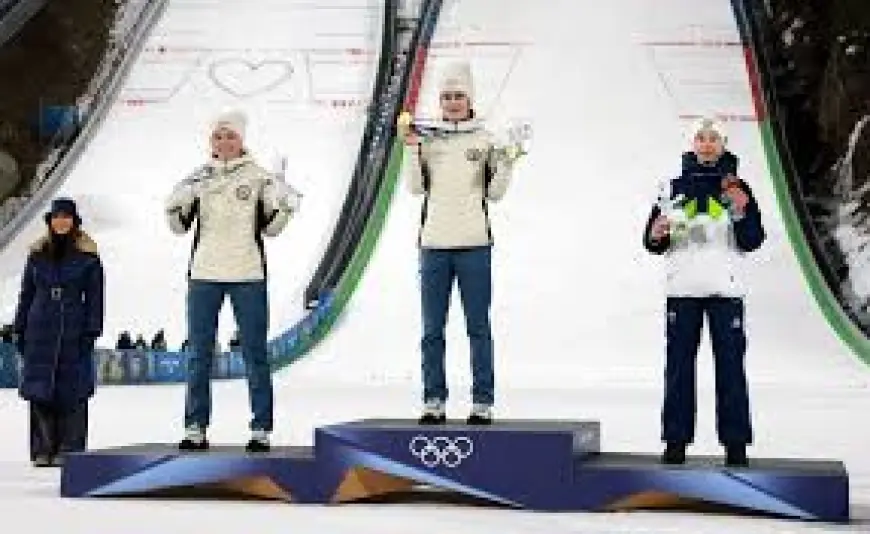
On the surface Norway's winter-sport résumé is unrivaled for a country of 5. 6 million, with top placement on the current Winter Olympic medal table as of Monday (ET). But in hockey the statistics tell another story. Only three Norwegians — veteran Mats Zuccarello, Emil Lilleberg and prospect Michael Brandsegg-Nygård — have appeared in NHL games this season. Zuccarello alone has played 942 NHL games, more than 700 ahead of his nearest compatriot.
By contrast, neighboring nations field many more NHL players and sustain much larger domestic participation. Federation figures show Sweden and Finland each register well over 60, 000 players, while Norway's licensed-player count sits under 15, 000. The infrastructure gap is stark as well: Norway has 54 indoor rinks nationwide, while regions around some foreign capitals contain more ice facilities than the entire Norwegian inventory.
Cultural and geographic headwinds
Experts and former players point to culture and geography as root causes. Norway's terrain and traditions feed a deep connection to skiing and other snow sports, producing a steady stream of role models in disciplines that dominate national attention. That prominence makes recruiting athletic youth into hockey a steeper climb.
“It’s a small sport back home, ” says Zuccarello, whose own development story includes a formative tournament abroad and a VHS tape of a Stanley Cup run that he watched repeatedly. Personal anecdotes like his underscore the broader reality: many Norwegian kids grow up idolizing cross-country skiers and alpine stars, not hockey forwards.
Geography also matters on a practical level. Mountainous terrain favors ski infrastructure and dispersed populations make it more expensive to build and operate indoor rinks. With fewer local rinks, consistent practice time and broad-based youth leagues are harder to sustain, which limits both skill development and the depth of talent coming through junior ranks.
Development, exposure and the road ahead
The missed opportunity of Olympic qualification compounds challenges. National administrators noted that a presence at the Games would have been a rare moment to showcase hockey to young athletes and energize grassroots growth. Falling just short of 2026 entry left that promotional boost unrealized.
Fixes are straightforward in concept but costly and slow in practice: more ice facilities, stronger youth programs, and clearer pathways to professional leagues. Investment in coaching, travel subsidies for remote communities and partnerships with nearby hockey nations to share development best practices are among the levers that could help close the gap.
There are also signs that individual success can inspire a generation. Zuccarello’s long NHL career and visibility abroad show that Norwegian players can reach the highest levels. But until participation numbers rise and access to consistent ice time improves nationwide, Norway is likely to remain an outlier — a country that dominates many winter sports yet struggles to translate that prowess into mens hockey olympics success.
For a nation that prizes winter achievement, the puzzle is clear: the ingredients for hockey success exist nearby, but culture, infrastructure and investment have kept Norway from turning proximity into medals on Olympic ice.