
















How robert duvall fell for Scottish football — and proved himself anew on film sets

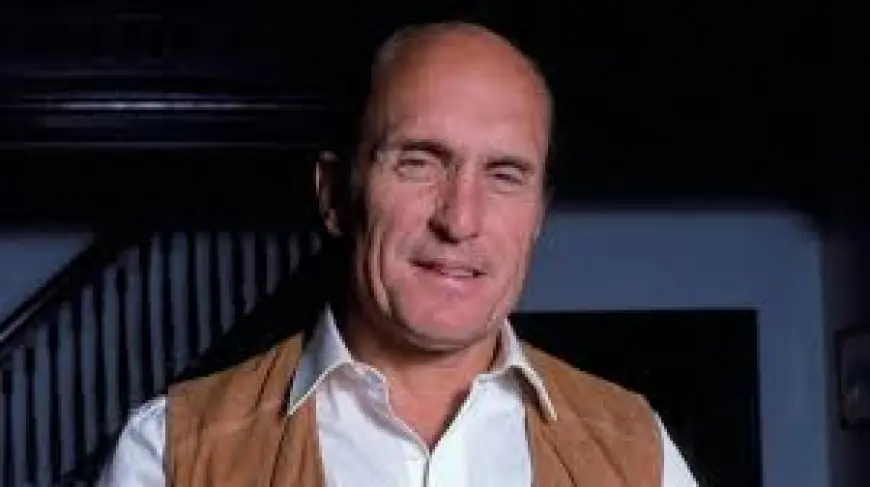
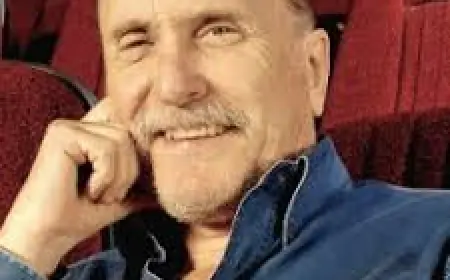
Robert Duvall, who died this week, was remembered for the seismic roles that shaped modern cinema and for smaller, surprising passions that revealed his humanity. Two recent recollections — his immersion in Scottish football while making a late-1990s film and the praise of a fellow director for his work ethic and steadiness on set — capture different sides of a complex artist.
A Shot at Glory: Hollywood on Scottish terraces
One of the more unlikely chapters in Duvall’s career came when he fell for Scottish football and decided to make a movie around it. The resulting film, which follows the fictional Kilnockie FC on a run to the Scottish Cup final, turned local grounds into movie sets and drew thousands of spectators to watch an American screen legend pacing British touchlines.
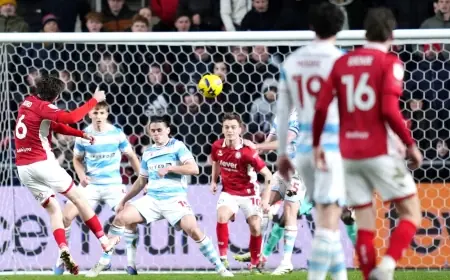
In the late 1990s he was a familiar figure at stadiums from the national arena in Glasgow down to smaller grounds in Dumfries. Local crowds gathered as scenes were filmed, with onlookers treated to repeated takes of dramatic shots and even overhead kicks. Ally McCoist appeared in the film alongside Duvall, giving the project a distinct mix of local color and Hollywood presence. For many Scottish fans, the memory of Duvall at Palmerston Park or Hampden Park endures as a happy, if improbable, moment when two very different worlds briefly collided.
A rock on set: nervous, generous and impossible to ignore
Beyond the football anecdote, collaborators repeatedly returned to the same idea: Duvall was a stabilizing force in any production. One director described him as "the rock, " a performer who brought gravity to scenes and kept the rest of the cast anchored. That steadiness coexisted with surprising vulnerability; even late in his career he felt pre-show nerves, treating each role as fresh and immediate rather than leaning on past glories.
Stories from sets underline both his craft and his offbeat sense of theatre. He could be unexpectedly tender and playful between takes: singing a Broadway tune in the middle of a held shot, or accepting discreet prompting from his spouse who helped him with lines through an earpiece. Those moments revealed a performer who folded humility into mastery, willing to expose himself in the service of a scene.
Range, reinvention and a particular kind of autonomy
Across a career that stretched over six decades, Duvall wore many hats: actor, writer, director. He wrote and directed projects that allowed him to explore character and community on his own terms, and he composed songs that became part of a film’s emotional fabric. His career choices reflected an artist who bet on himself and valued autonomy — sometimes stepping away from parts that did not fit his instincts.
That independence and craft left a legacy that went beyond awards and iconic performances. For fans in Scotland, he will be remembered for bringing Hollywood attention to local football culture and for treating the experience with genuine affection. For colleagues and cinephiles, he will be remembered as a steady hand and a daring spirit who never stopped treating each performance as if it were his first.
As tributes arrive this week, those two images — the Oscar-winning actor on the Hampden touchline and the nervous artist quietly summoning a scene into being — together capture why Robert Duvall remained such a quietly formidable presence in film and in life.