





















fat tuesday 2026: New Orleans and Gulf Coast Mark Final Day of Carnival with Parades, Costumes and Throws

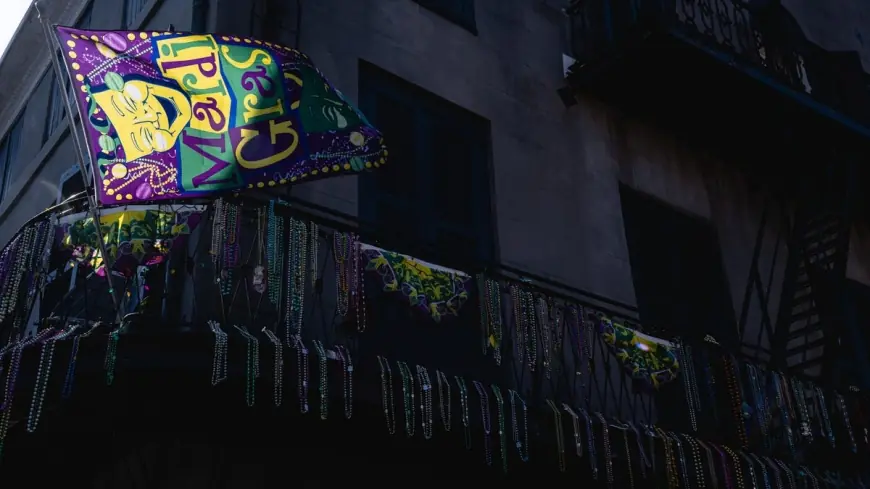
Fat Tuesday 2026 brought crowds, color and the clatter of beads to New Orleans and communities across the Gulf Coast as the pre-Lenten Carnival season reached its climax on Tuesday, Feb. 17, 2026 (ET). Revelers filled historic avenues and the French Quarter for a final day of music, costumes and the coveted parade “throws. ”
Crowds, costumes and the parade route
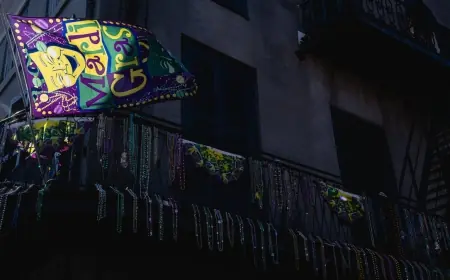
As daylight broke along St. Charles Avenue, spectators began staking out spots with chairs, coolers and ladders for a better view. People leaned over wrought iron balconies, calling the familiar refrain, “Throw me something, Mister, ” while marching bands, elaborate floats and costumed krewe members made their way down the route. Many attendees wore the traditional purple, green and gold of Carnival; others opted for elaborate homemade outfits or floor-length garments topped with feathered headdresses and glittering makeup.
Music echoed through the streets as floats passed and dancers moved to second-line rhythms. Some parade riders tossed standard beads and doubloons, while specialty items drew the biggest reactions. One paradegoer in a crawfish costume proudly waved a hand-decorated coconut — a prized Zulu throw known for its gold glitter — after catching it from a passing float. The festive scene mixed long-time residents who return each year with visitors drawn by the city’s unique blend of pageantry and improvisation.
Tradition, food and regional variations
Fat Tuesday marks the final chance for indulgence before the Christian season of Lent begins the following day, Ash Wednesday. The day’s rituals reflect that balance: revelry on the streets and traditional foods meant to use up rich ingredients before the fast. Across the state, events ranged from exclusive evening balls to rural Courir de Mardi Gras runs, where costumed participants perform and gather ingredients for communal gumbo. Parades and celebrations extended beyond Louisiana into nearby Gulf Coast cities and touched corners of the world that observe their own Carnival customs.
On the streets, throws included plastic beads, candy, stuffed animals, cups and toys. Hand-decorated coconuts remain among the most sought-after items in some parades. The spectacle also puts a spotlight on cultural expressions like Black masking Indian costumes, known for their beadwork and towering feather headdresses, which contribute to the city’s distinctive visual landscape on Fat Tuesday.
What comes next: Ash Wednesday and the Lenten calendar
With Fat Tuesday concluded on Feb. 17, 2026 (ET), Lent begins the next day on Ash Wednesday, Feb. 18, 2026 (ET). For many Christians and Catholics, Lent is a 40-day period of fasting, prayer and reflection leading up to Easter. Some people choose to give up indulgences, while others adopt specific forms of fasting or acts of service during this time.
The date of Easter varies year to year because it is tied to lunar cycles. In 2026, Easter will fall on April 5 (ET), setting the calendar for the season that follows Ash Wednesday. For revelers in New Orleans and beyond, Fat Tuesday remains a yearly reminder to celebrate community, culture and abundance before the quieter weeks of Lent begin.
As the last beads were thrown and the music wound down, longtime participants reflected on the city’s grip: the parade routes empty but the traditions endure, drawing people back each year to experience the unique blend of public spectacle and personal ritual that defines Fat Tuesday.