






















lent 2026 Looms as Mardi Gras, Ramadan and Lunar New Year Coincide in a Rare Convergence

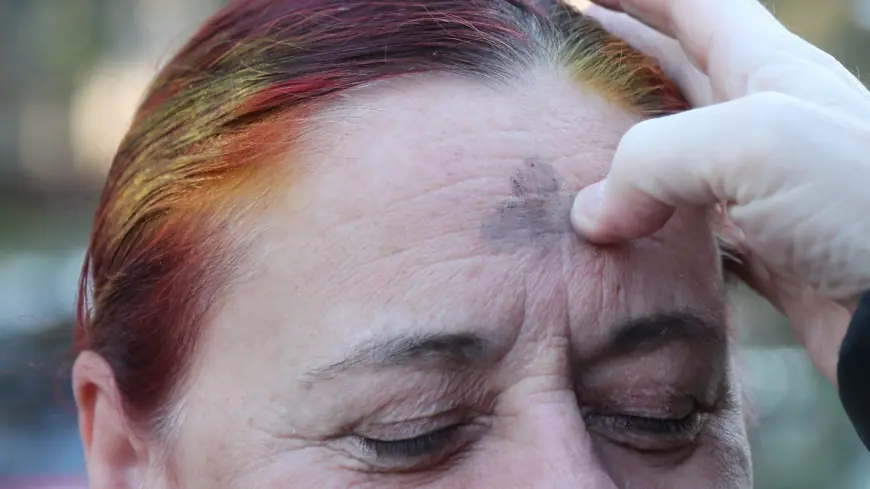
On Tuesday, Feb. 17, 2026 (ET), three major observances—Mardi Gras, the Lunar New Year and the start of Ramadan—fall on the same day. The back-to-back scheduling places Ash Wednesday and the formal start of Lent 2026 on Feb. 18 (ET), creating a compact, holiday-heavy stretch that will be experienced differently across religious and cultural communities.
How the dates align
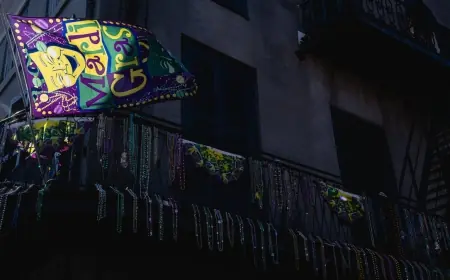
Mardi Gras, the finale of Carnival season in many Christian traditions, lands on Feb. 17 this year. Carnival festivities in some cities began in early January and peak with parades, music and the ritual sharing of king cake and beads leading up to that date. In Rio de Janeiro, headline parades run Feb. 13–17 and many events extend later into the week.
That same day marks the first day of Lunar New Year celebrations, which begin Tuesday, Feb. 17 (ET) and continue through the Lantern Festival on Tuesday, March 3 (ET). Lunar New Year follows the lunisolar calendar; its timing shifts year to year with the cycles of the moon and sun.
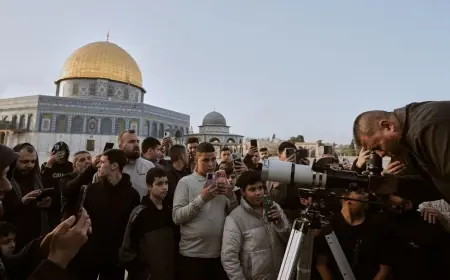
Ramadan, the Islamic holy month of fast and reflection that begins with the sighting of the waxing crescent moon, will start on the night of Feb. 17, 2026 (ET), based on confirmations from astronomical authorities. The overlap means daytime cultural celebrations and Carnival events on Feb. 17 will coincide with the start of a month when many Muslims abstain from food and drink between dawn and sunset and focus on prayer, charity and community.
Why this convergence is unusual
All three observances follow different calendrical systems. Mardi Gras is tied to the Christian liturgical calendar and shifts with the date of Easter. Lunar New Year uses a lunisolar calendar tied to the new moon and solar terms. Ramadan follows the purely lunar Islamic calendar, moving earlier by about 10 to 12 days each Gregorian year.
Because those cycles rarely line up, having Mardi Gras and Lunar New Year coincide has been uncommon in the modern era. Historical data show only a handful of overlaps between those two in recent decades. The addition of Ramadan to that mix makes 2026 particularly notable: the three observances converging on the same date is a distinct and uncommon calendrical event.
What this means for communities
On the ground, the overlap will look different depending on place and tradition. In cities with large Carnival traditions, public parades and street parties will remain focal points for many residents and visitors. In communities celebrating Lunar New Year, family reunions, special meals and red decorations symbolizing luck and prosperity will be central.
Muslims beginning Ramadan will observe fasting from dawn to sunset and emphasize prayer, reading of the Quran, acts of charity and reflection. For those observing multiple traditions—families and neighborhoods with overlapping cultural ties—this period may blend festival rituals with the more solemn rhythms of religious observance.
With Ash Wednesday on Feb. 18 (ET), many Christians will shift immediately into the Lenten season, a 40-day period of reflection that culminates in the Easter season. The tight sequence of events may affect scheduling for workplaces, schools and community centers in areas where multiple observances are prominent.
The convergence highlights how different calendars can intersect and how communities navigate overlapping traditions. For many, the next week will be a time of celebration, reflection and communal activity as cultures observe their distinct rites in close succession.