




















winter olympics curling cheating row leaves Canadians stunned

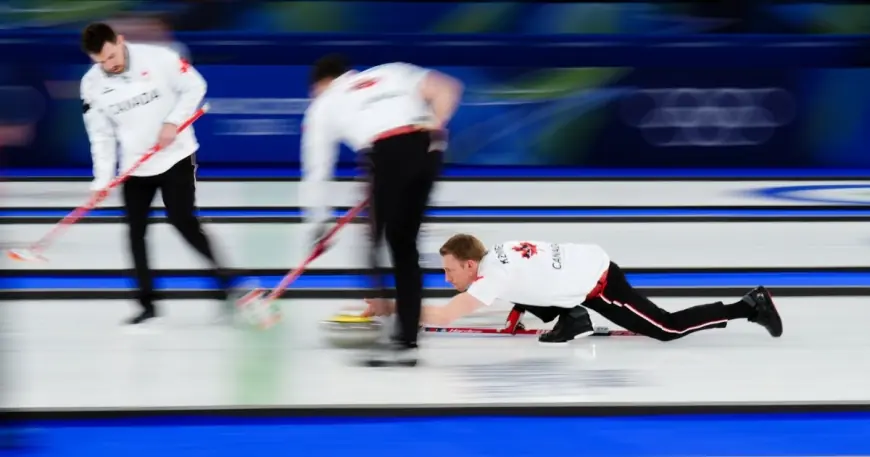
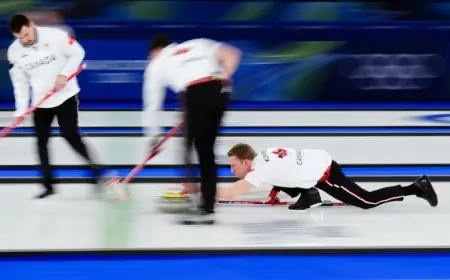
The Winter Games were jolted by a curling controversy that has left Canadian teams defending their integrity and fans asking whether the sport's famed sportsmanship has been breached. Accusations of a so-called "double-touch" during successive matches sparked an on-ice confrontation, a viral video and a debate over rules, enforcement and national image.
What happened on the ice
The dispute began when a Swedish player accused a Canadian skip of touching a stone a second time after release—a move known in curling as a double-touch. Footage circulated showing the moment in question, and emotions ran high. The exchange between the athletes included strong language from the Canadian player and prompted a warning from the sport's governing body for the use of expletives. Officials reviewed the incident but did not formally charge the player with cheating.
The next day the women's Canadian team faced a similar allegation when their captain was accused of the same action. Both athletes have denied any intent to gain an advantage, with one saying he had curled his whole life without aiming to cheat and that he regretted how he handled his emotional reaction in the heat of competition. Teammates and rivals alike have disputed whether the finger movement seen on video actually affected the stone's trajectory.
Reaction at home: pride, embarrassment and debate
The headlines have reverberated across Canada, a nation that often prides itself on politeness and fair play. Fans, former players and members of the curling community have expressed disappointment, arguing that the sport must be above reproach if it is to retain its moral authority and spectator appeal. "It's a sad day for Canadian sport, " one admirer said. Others echoed a sense of discomfort: without sportsmanship, they argued, competition loses its meaning.
But the response on the ground has not been uniform. At a storied local curling club, an instructor suggested the heightened attention might be a double-edged sword: generating interest and debate that could lift the sport's profile while also spotlighting moments that undermine the game's traditions. Some observers said they did not believe the disputed finger move affected play, yet stressed that teams must abide strictly by the rules and the spirit of curling.
What comes next: governance, etiquette and the sport's future
The governing body issued a verbal warning for unsportsmanlike language but did not pursue a formal cheating sanction in the immediate aftermath. That decision has drawn scrutiny from fans and pundits who want clearer guidance on how boundary-line incidents should be handled. The controversy exposes a tension at the heart of curling: a culture of self-policing and civility that relies on players' honesty, juxtaposed with the high stakes and fierce competition of elite international play.
Officials now face choices: reinforce and clarify rules around contact with stones, consider additional video review protocols, or leave enforcement largely in the hands of on-ice judgment and the players themselves. For the athletes implicated, the path forward includes both sporting and reputational repair. One of the Canadians involved acknowledged he could have managed his reactions better and defended his teammates when emotions escalated—comments that supporters say humanize a tense moment while critics insist are insufficient without clearer corrective steps.
Beyond immediate disciplinary measures, the episode could reshape public perception of curling at a time when the sport is trying to broaden its audience. Some in the community hope the debate spurs renewed attention and a push for consistency in how rules are applied. Others worry the row will linger as a stain on a national pastime celebrated for its civility.
For now, the focus will be on upcoming fixtures, any formal reviews by officials, and how teams conduct themselves under renewed scrutiny. What remains clear is that the incident has opened a broader conversation about sportsmanship, enforcement and the line between gamesmanship and cheating in a sport that prizes integrity.