























A sad day: winter olympics curling cheating row unsettles Canadians

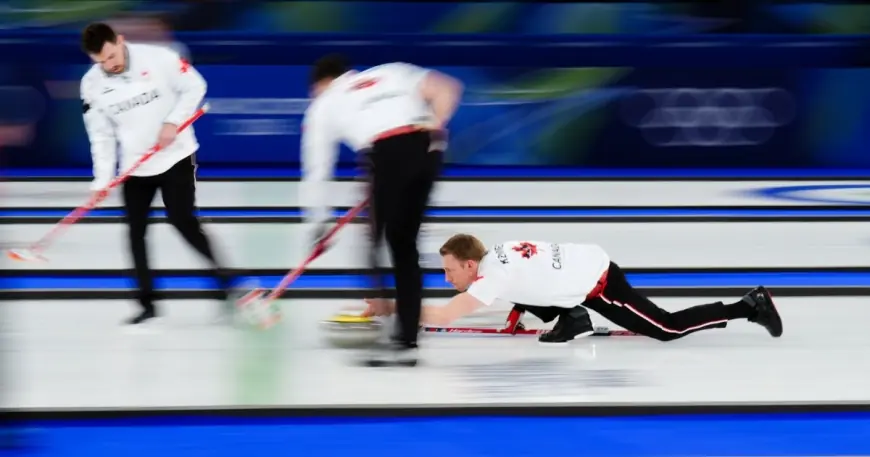
Canadian curling — long a source of national pride and an emblem of sportsmanship — was thrust into controversy after a pair of double-touching accusations at the Winter Games sparked heated exchanges, viral video and questions about conduct on the ice. The incident has provoked frustration from players and puzzlement from fans, leaving a sport known for decorum grappling with a very public dispute.
What happened on the ice
During a match on Friday, Swedish player Oskar Eriksson accused Canadian veteran Marc Kennedy of double-touching a stone — touching it a second time after releasing it. The accusation led to a profane back-and-forth between the players that was captured on video and circulated widely. The footage appears to show Kennedy making contact with the stone after release, prompting debate among observers about whether the action affected play.
World Curling issued a verbal warning to Kennedy for using foul language during the exchange, but did not levy a formal cheating charge. The next day, the women's Canadian team also faced a similar allegation when captain Rachel Homan was accused of the same move. Both Kennedy and Homan have denied any intention to gain an unfair advantage.
Players and fans react
Kennedy defended his conduct while acknowledging the emotional nature of elite competition. "I probably could have handled it better. But we're human out there and there's a lot of emotions. I'm not going to apologise for defending my teammates and standing up for myself, " he said, adding: "I've curled my whole life, never once with the intention of getting an advantage through cheating. "
Still, the controversy has resonated beyond the rink. Tourists and locals in Montreal voiced disappointment, saying the dispute cut against Canada’s reputation for fair play. "It's a sad day for Canadian sport, " said Tim Gray from Alberta, stressing that integrity matters even when it means policing your own team. "As Canadians, we aren't supposed to do these things, " added Samar from Ontario. Dwayne from British Columbia summed up a common sentiment: "Without sportsmanship, it's not sport any more. "
At the Royal Montreal Curling Club, views were more mixed. Instructor Ankara Leonard suggested that while the incident casts an unwelcome spotlight, the resulting publicity might also draw new interest to the sport. She expressed doubt that Kennedy's finger altered the outcome, but emphasized that competitors must still play within the rules.
Implications for the sport and what's next
The episode highlights an enduring tension in curling between instinctive, high-pressure reactions and the sport’s culture of self-officiating and mutual respect. Dominant teams and trusted veterans are typically expected to uphold those norms; when accusations surface, they test both the governing mechanisms and public faith in fair play.
For now, no formal cheating penalties have been applied, and the governing body’s response was limited to addressing language used during the dispute. The allegations, coupled with viral footage, will likely prompt renewed discussion about in-game conduct, reviewable evidence and whether clearer procedures are needed for resolving touch calls at elite events.
Beyond possible rule tweaks or enforcement clarifications, the immediate fallout is reputational. Canadian teams that have long been synonymous with excellence and sportsmanship now face scrutiny from domestic fans who expect adherence to both the letter and spirit of the game. How teams respond in the coming matches — through performance and demeanor — may determine whether this episode becomes a lasting stain or a short-lived controversy that ultimately drives engagement with curling.