




















Lunar New Year 2026 live: Year of the Fire Horse ushers in robots, food traditions and shifting rituals

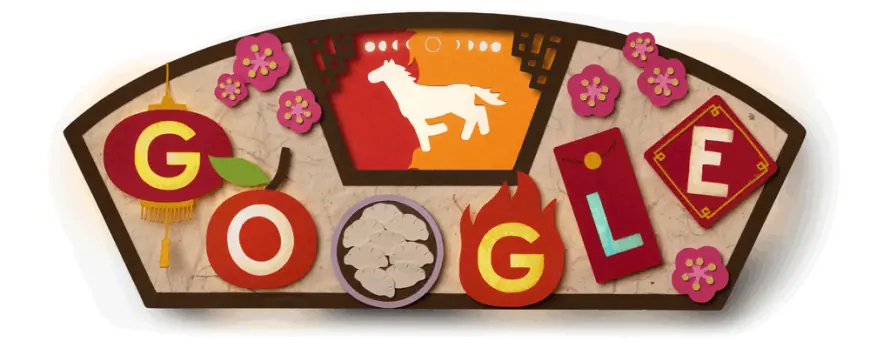
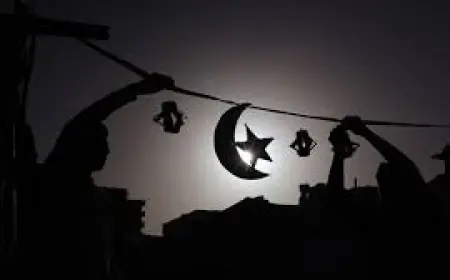
The Year of the Fire Horse has arrived, and celebrations are unfolding across Asia and beyond. The 15-day Lunar New Year festival, held between January 21 and February 20 each year and beginning with the first new moon of the lunar calendar, blends ancient customs with modern twists in a season of feasts, performances and family gatherings.
Food, symbolism and regional dishes take centre stage
Food remains central to the festivities, with regional specialities spotlighting cultural values and family bonds. In parts of Southeast Asia, a tossed raw fish salad is a boisterous ritual: diners mix ingredients together with chopsticks, a communal action meant to attract prosperity. In other urban centres, tins of luncheon meat have become a common gift, underscoring how convenience and nostalgia coexist in modern New Year customs.
In Vietnam, Tet tables brim with symbolic dishes that differ by region. Northern families often prepare a square sticky rice cake wrapped in banana leaves and filled with glutinous rice, mung beans and pork; in the south, a cylindrical version is more common. A striking offering found across the country is a whole boiled chicken presented intact—head and feet included—with a red rose tucked in its beak. The presentation emphasizes completeness and unity, with the red accent reinforcing hopes for good fortune in the coming year.
Robots, galas and digital art highlight technological flair
Technology has increasingly become part of the holiday spectacle. Humanoid robots have featured in variety shows and national gala programmes, performing dances, comedy sketches and musical segments that blend novelty with tradition. Start-ups in major cities have staged hour-long productions showcasing robot entertainers, while televised gala line-ups have included humanoid performers from several robotics firms.
At the same time, digital art celebrating the Fire Horse has appeared on high-visibility online platforms, noting that this zodiac sign comes around only once every 60 years and is associated with a dynamic, independent spirit. The convergence of robotics, artificial intelligence and popular culture during the festival highlights broader investments in automation and the ambitions of technology firms to fuse heritage with innovation.
Rituals evolve as social pressures and lifestyles shift
Alongside celebrations, the Lunar New Year has become a flashpoint for wider social trends. In some places, authorities have stepped up actions against online content they view as antisocial; this cycle included scrutiny of posts that encourage choosing not to have children. The tension between state guidance on social behaviour and personal expression is playing out in festival-related commentary and sharing.
Family observances are also changing. In some communities, a growing share of people are opting for simpler commemorations rather than elaborate ancestral rites. Surveys point to more than half of some populations saying they will not set up the traditional, ornate ancestor tables this year, reflecting time pressures, urban lifestyles and evolving attitudes toward ritual practice.
Despite these shifts, the core themes of the Lunar New Year endure: renewal, family, and the hope that the coming months will be fortunate. From sticky rice cakes and tossed salads to robot performers and pared-back home rituals, this Year of the Fire Horse is proving to be a mix of continuity and change as millions mark the lunar calendar’s most important holiday.
Coverage continues as festivities proceed through the 15-day window, with events and observances taking place across cities from Beijing to Bangkok and beyond during this annual season of renewal. Times given in festival schedules and broadcasts are listed in Eastern Time when noted for international audiences.