


















lunar new year 2026: Year of the Fire Horse sparks robots, rituals and rare zodiac energy

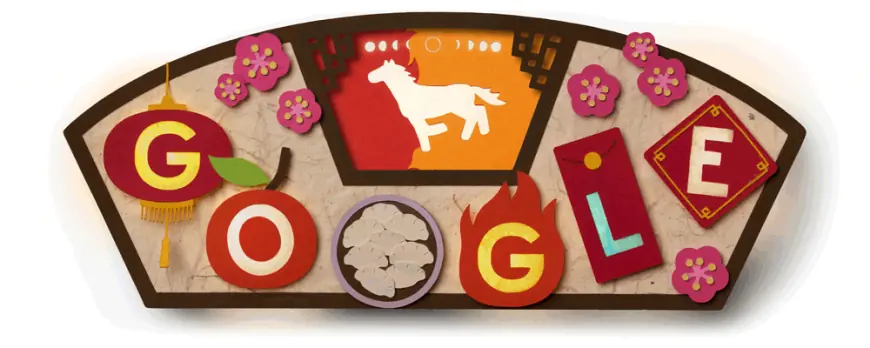
The Year of the Fire Horse has arrived, and celebrations are underway from Beijing to Bangkok. The 15-day festival, tied to the first new moon of the lunisolar calendar, runs this year between January 21 and February 20 (ET). As families gather for food, ritual and fireworks, modern spectacles and changing social habits are reshaping the holiday.
Tech on parade: humanoid robots join the festivities
High-tech pageantry is increasingly visible in public celebrations. In recent events, humanoid robots have featured in variety shows and gala performances, with startups presenting dance, music and comedy segments. The national New Year gala this season will include humanoid acts from multiple firms, reflecting large investments in robotics and artificial intelligence. Observers say homegrown tech companies could use this momentum to accelerate in the global humanoid market, turning a traditional festival into a showcase for cutting-edge industry.
Food and family: old dishes, new habits
Food remains central to the holiday across regions, but local menus and family practices vary. In Malaysia and Singapore, communities share yusheng, a raw fish salad that must be tossed together with chopsticks to bring good fortune. In South Korea, tins of luncheon meat have become a common New Year gift, an example of how modern tastes coexist with ritual giving.
In Vietnam, the Tet table is marked by sticky rice cakes that differ by region: northern families prepare bánh chưng, a square banana-leaf-wrapped cake filled with glutinous rice, mung beans and pork, while the south prefers cylindrical bánh tét. A striking Tet offering is a whole boiled chicken presented with a red rose in its beak; served intact to symbolise completeness and unity, the bird’s upright arrangement and the bright rose underscore wishes for alertness, dignity and luck.
Family observances are also changing. In South Korea a recent trend toward simpler commemorations has continued, with a majority saying they will forgo the elaborate charye ancestor tables this year. That shift highlights a broader recalibration of what tradition looks like for younger and busier households.
Customs, warnings and a combustible zodiac
Superstitions and social rules still dictate behaviour during the holiday. Many families avoid sweeping or cutting hair during the festival window for fear of driving away good fortune, and red clothing is worn widely as a symbol of luck and protection. The Year of the Fire Horse is a rare combination in the 60-year zodiac cycle and is traditionally associated with a dynamic, independent and sometimes combustible energy—encouraging bold action but also caution against impulsiveness.
At the same time, state measures have emerged as part of the seasonal backdrop. Authorities have launched annual campaigns targeting what they define as antisocial online content; this year those efforts have included posts celebrating the virtues of not having children. These interventions intersect with broader conversations about family, media and the role of public discourse during one of the region’s most visible cultural moments.
From vivid street processions and communal feasts to high-tech performances and quieter domestic shifts, this lunar new year blends heritage and change. As communities welcome the Fire Horse, many are balancing hope for prosperity with an eye on how customs evolve in an era of rapid social and technological transformation.