



















lent 2026: Ash Wednesday Follows a Rare Convergence of Mardi Gras, Ramadan and Lunar New Year

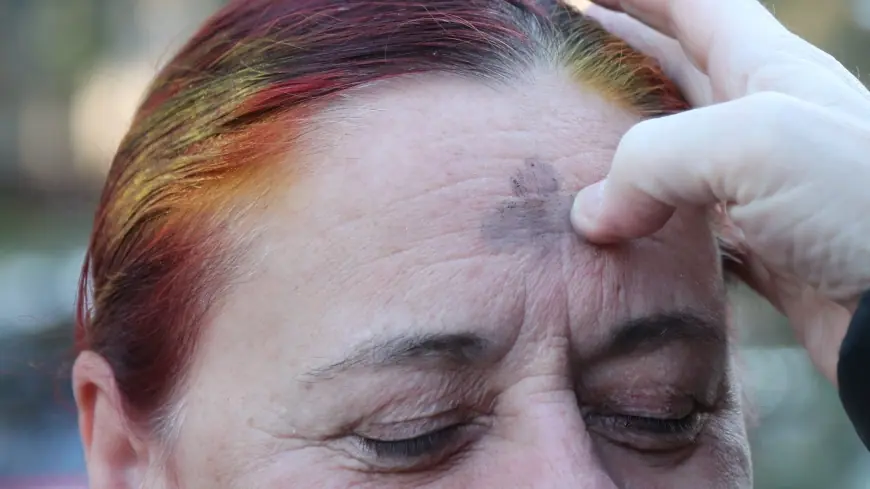
February 2026 has produced an unusually packed holiday calendar. Fat Tuesday and Lunar New Year fell on Tuesday, Feb. 17, 2026 (ET), with the holy month of Ramadan beginning that same night after a crescent-moon sighting. The Christian season of Lent formally begins the next day on Wednesday, Feb. 18, 2026 (ET), with Ash Wednesday. The sequence has drawn attention because the overlap of these major observances is uncommon and highlights how solar and lunar calendars can intersect in surprising ways.
What happened this week: dates and timing (all times ET)
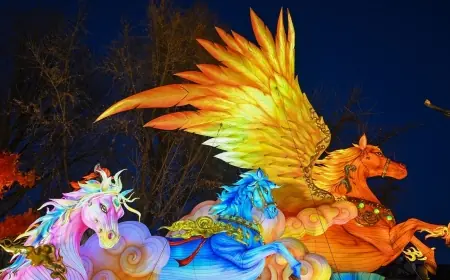
Tuesday, Feb. 17, 2026, brought a cluster of events: Mardi Gras, the start of Lunar New Year festivities and an annular solar eclipse visible in parts of the Southern Hemisphere. Mardi Gras, the culmination of Carnival, traditionally falls the day before Ash Wednesday and ushers in the end of pre-Lenten celebrations. Lunar New Year — the traditional start of the new lunar year celebrated across East and Southeast Asia and in many diaspora communities — began on the night of Feb. 17 and will continue through the Lantern Festival on March 3, 2026 (ET).
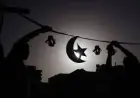
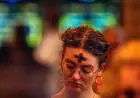
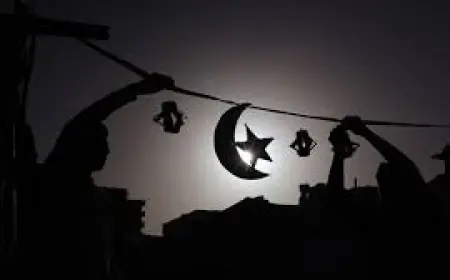
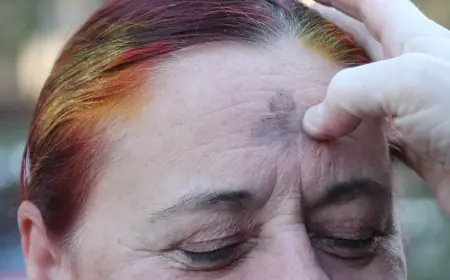
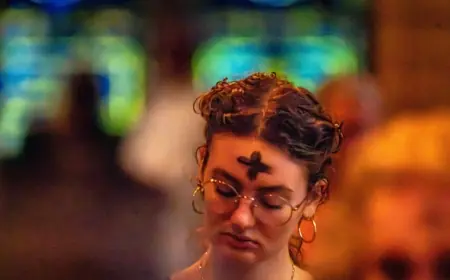
Islamic months begin with the sighting of the new crescent moon. Observatories in Saudi Arabia confirmed that the necessary crescent was seen on the night of Feb. 17, marking the start of Ramadan that evening. That timing means Muslims began fasting at dawn on Feb. 18, 2026 (ET). Ash Wednesday, marking the start of Lent 2026 and the Christian season of fasting and reflection, falls on Feb. 18, 2026 (ET) as well, so many faith traditions found themselves observing significant rites and rituals within a single 48-hour span.
How rare is this triple overlap?
Seeing Mardi Gras and Lunar New Year on the same calendar day is rare but not unprecedented; historical counts show the two have coincided several times since the mid-20th century. However, adding Ramadan into that mix is particularly unusual because the Islamic calendar shifts each year relative to the solar calendar and often lands months apart from the Lunar New Year. In the most recent comparable overlap in 2002, Ramadan did not align — it began much later in the year — so a three-way convergence like the one surrounding Feb. 17–18, 2026 is a notable calendrical event.
The confluence stems from the interaction of three timekeeping systems: the Gregorian solar calendar that sets Western civic holidays, the lunisolar calendar that governs Lunar New Year, and the purely lunar Islamic calendar. Because the lunar cycle governs both Lunar New Year and Ramadan, their dates wander relative to the Gregorian calendar, but they do not track each other precisely. When those shifting patterns line up with fixed points in the Christian liturgical cycle, rare overlaps occur.
What it means for communities and celebrations
In cities where multiple traditions are observed publicly, the overlap created a lively, multicultural moment. Carnival parades and king-cake customs marked Mardi Gras; lanterns, family gatherings and lion-dance performances signaled Lunar New Year; and communities preparing for dawn-to-sunset fasting adjusted prayer schedules and communal meals for Ramadan. For many, the close timing offered opportunities for interfaith engagement and shared public programming, while for others it simply meant a very busy week of observance, travel and hospitality.
Religious observances retain their distinct meanings: Lent 2026 will continue as a period of penitence and reflection leading up to Easter; Ramadan will remain a month of fasting, prayer and charity culminating in a celebration of Eid; and Lunar New Year festivities will proceed through traditional rites meant to welcome a new year and wish for prosperity and good fortune. The unusual calendar alignment did not change those core practices, but it did create a concentrated moment of ritual activity across communities.
Calendar quirks will bring similar overlaps in future years, but the particular three-way convergence seen in mid-February 2026 is a reminder of how different cultural and religious timekeepers can periodically collide, producing memorable communal moments and prompting conversations about timing, tradition and shared public life.