
















robert duvall: Hollywood legend and unlikely Scottish football cult hero

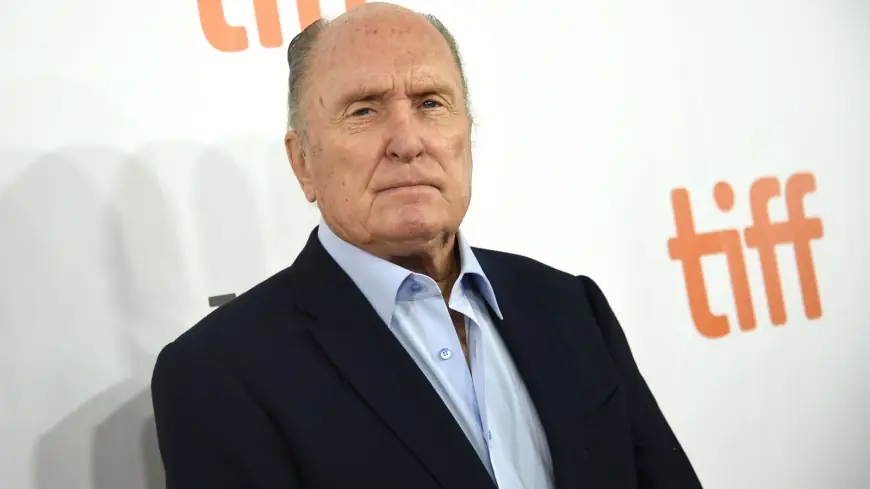
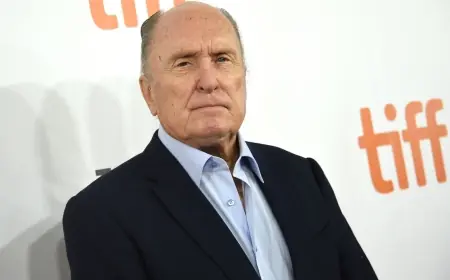
Robert Duvall, the Academy Award-winning actor whose career ranged from The Godfather to Tender Mercies, has died at the age of 95. He died peacefully at home on Sunday, his wife said, and the news was announced on Monday (ET). Tributes have poured in from colleagues and friends who underline both the gravity of his screen presence and the warmth he showed off set — including an unexpected place in Scottish football folklore.
On the pitch: a cult figure in Scottish football
While Duvall will be most often remembered for his towering film roles, an eccentric chapter of his career made him a familiar face at football grounds across Scotland. He starred opposite Ally McCoist in the 2000 football drama A Shot at Glory, playing beleaguered manager Gordon McLeod as he tried to steer lowly Kilnockie FC to Scottish Cup glory. To prepare for the role he immersed himself in the game's culture, filming at a string of stadiums and spending time with professional players.
Those who worked with him recall an actor who loved the camaraderie of the locker room. He turned up at matches and training, tossed around light-hearted banter with the cast and local pros, and even appeared as a pundit on Scottish television while preparing for the film. Small personal touches — including an anecdote about him naming a dog after a Celtic great and an annual Christmas card sent to McCoist's family — helped cement his unlikely place in the sport's lore. For many fans, that movie and Duvall's open affection for the local scene created a warm, lasting connection that endures alongside his cinematic legacy.
A restless artist who brought gravity to every role
Duvall's screen life is defined by memorable, often quietly explosive characters. He made his mark early with a haunting turn as Boo Radley and rose to prominence playing Tom Hagen in the gangster saga that reshaped modern cinema. Later, his sweep across differing genres — from the intensity of a Vietnam-set officer to a fragile country singer in Tender Mercies, for which he won an Academy Award — displayed a rare range and appetite for risk.
Directors and co-stars have noted how Duvall approached each performance as if it were new, never leaning on past achievements. One director remembered him arriving on set nervous, the same trepidation a novice might feel, and then finding his centre once the scene began. Stories from sets illustrate an actor who could be unexpectedly playful — breaking into song mid-take — yet who also provided the steady anchor other performers relied on. That steadiness, his readiness to invest everything in a role, is often cited as the quality that made supporting stars around him shine even brighter.
Personal life, honours and a lasting legacy
Duvall's life beyond the camera reflected the same depth: a long partnership with his wife, a love of food and company, and a determination to shape his own projects as actor, writer and director. He received seven Academy Award nominations over a career that spanned decades and took home the best actor prize for a deeply humane performance in Tender Mercies. The breadth of his work — from small, intimate dramas to grand cinematic statements — leaves a body of work that will be studied and enjoyed for years.
His passing closes a chapter on one of cinema's most dependable presences: an artist who could anchor an ensemble, surprise an audience, and — in an unexpected corner of the world — win the affection of football fans. Those memories, from landmark performances to quieter moments at film sets and football grounds, form the patchwork of a long and influential life in the arts.