















robert duvall’s unlikely Scottish football cult hero status remembered

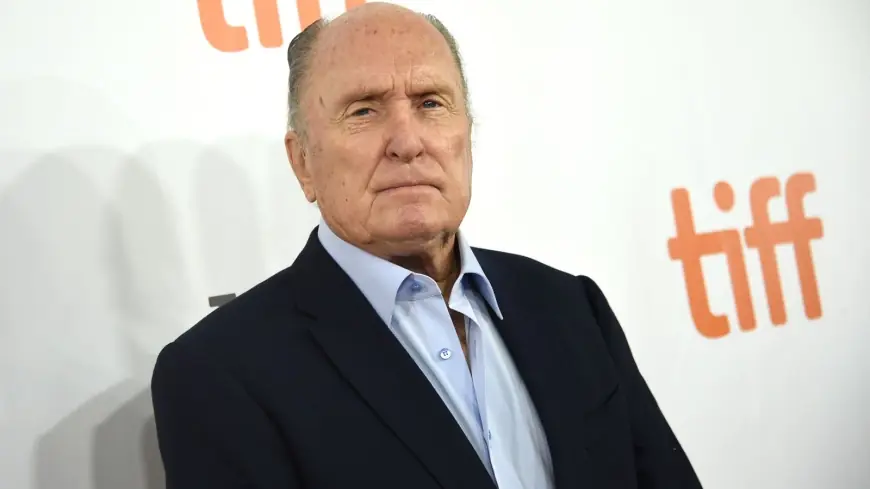
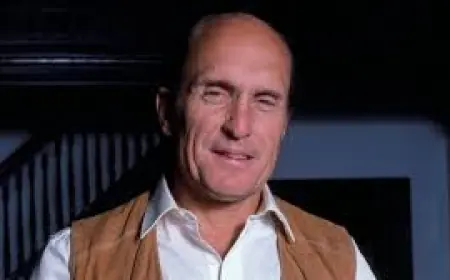
Robert Duvall, the Oscar-winning actor whose career spanned decades and genres, has been remembered not only for landmark roles in crime dramas and war films but for an unexpectedly affectionate relationship with Scottish football. Duvall died peacefully at home on Sunday, with the news announced the following day. Beyond Hollywood tributes, many in Scotland recalled the warmth and authenticity he brought while filming the 2000 football drama A Shot at Glory.
A Shot at Glory and the Scottish connection
In A Shot at Glory, Duvall played Gordon McLeod, the beleaguered manager of Kilnockie FC, a small Scottish club bent on a run at the Scottish Cup. He co-starred alongside a cast that blended Hollywood names with familiar faces from the Scottish game. The film’s production in 1999 and 2000 saw Duvall immersing himself in local culture: he visited grounds across the country, rehearsed and socialised with professional players, and filmed at several Scottish stadiums, creating a genuine rapport with the communities he encountered.
That immersion helped Duvall’s character feel lived-in rather than merely performed. He developed a friendship with the film’s on-screen striker, played by a Rangers legend, and became a regular sight in crowds and on terraces as he prepared for the role. Anecdotes from the set describe Duvall enjoying the banter and setting up impromptu games to watch the players relax between takes; his off-screen kindness—dinners with cast members and annual Christmas cards to colleagues—cemented his place in local memory.
Craft, colleagues and lasting impressions
Duvall’s reputation for craftsmanship and steady presence extended through his later work. Directors and co-stars spoke of an actor who treated each role as if it were new, bringing curiosity and commitment regardless of his years in the industry. One director recalled that Duvall could be unexpectedly nervous before a take—then instantly transform into the performance demanded by the moment, an example of his restless professionalism.
Colleagues praised Duvall as “the rock” who brought gravity to every scene. That steadiness made him an anchor in ensemble casts and a reliable collaborator for younger actors. Over a long career he picked roles that showcased range—mafia consigliere, hard-bitten military officer, small-town soul-searcher—and he also wrote and directed, demonstrating a refusal to be pigeonholed. Those qualities explain why his work resonated with both cinematic audiences and the smaller, fiercely loyal circles of people who worked with him on projects like A Shot at Glory.
More than an actor: how fans remember him
For many in Scotland, memories of Duvall are personal and affectionate rather than strictly cinematic. He named a dog after a Scottish football great and once appeared as a pundit on a local football programme while preparing for the film—gestures that felt sincere rather than promotional. Former players from the film recalled his generosity and easy humour; he often stayed involved with friends from the production long after filming wrapped.
Outside Scotland, fellow performers and collaborators paid tribute to his lifetime of work and to a character that blended intensity with humanity. Whether on the terraces of small clubs or on a major soundstage, Duvall’s presence felt purposeful and direct. That blend of professionalism, warmth and humility is the thread many point to when summing up his legacy.
Robert Duvall leaves behind a body of work that stretches from indelible supporting turns to lead performances and directorial efforts. For some, he will remain the Tom Hagen or the Kilgore of cinematic fame; for a surprising number in Scotland, he will be remembered as Gordon McLeod, the man who loved the craic and took Scottish football to heart.