





















ramadan 2026: How to wish someone a Happy Ramadan


Ramadan is approaching, and many people will be preparing to observe a month of fasting, prayer and reflection. For those who want to mark the occasion respectfully, simple, familiar greetings and a little awareness of timing and customs go a long way. This guide explains common phrases, the expected 2026 dates in Eastern Time and basic etiquette for workplaces, neighbours and friends.
When Ramadan begins in 2026 (Eastern Time) and what it involves
In 2026, Ramadan is expected to begin with the sighting of the new crescent moon on the evening of Wednesday, February 18, 2026 (ET), which may mean that observant Muslims begin fasting on Thursday, February 19, 2026 (ET). The exact start can vary by locality because communities often follow local moon sighting practices or announcements from their mosques.
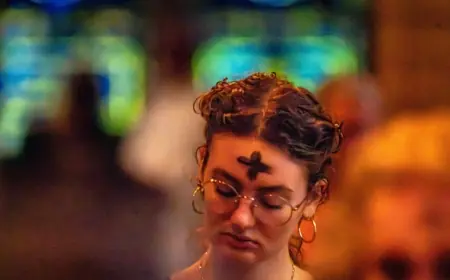
Ramadan is the ninth month of the Islamic lunar calendar and shifts each year with the moon cycle. During the month observers rise before dawn for a pre-fast meal called suhoor and break the fast at sunset with iftar. The period is marked by increased prayer, Quranic recitation and acts of charity, and many households and communities hold communal iftars and other gatherings.
Common greetings and what they mean
When you want to wish someone well for the month, short, respectful phrases are customary and appreciated. Two widely used Arabic greetings are:
- Ramadan Mubarak — literally "Blessed Ramadan. " It expresses a wish for blessings during the month.
- Ramadan Kareem — literally "Generous Ramadan. " This greeting conveys a wish for generosity and goodness during the period.
Both phrases are commonly used when people greet one another during Ramadan, particularly at the first meeting of the day or upon learning that someone will be observing the fast. In some regions and languages, variations such as "Ramzan" are also used; the sentiment is the same. A simple English phrase like "Happy Ramadan" is also perfectly acceptable, especially when used sincerely.
Practical etiquette: how to be considerate
Beyond the words, small acts of awareness make a meaningful difference. If you have Muslim colleagues or neighbours who will be fasting, consider the following:
- Offer a greeting when appropriate: a short "Ramadan Mubarak" or "Happy Ramadan" is respectful and often welcomed.
- Be mindful of food and drink in shared spaces during daylight hours. Some people prefer not to eat in front of those who are fasting.
- Allow flexibility where possible. Fasting can affect energy and schedules; simple adjustments to meeting times or break schedules can help.
- Ask if help is needed but do so sensitively. Many observant Muslims appreciate offers of support, such as invitations to an iftar, but privacy is also valued.
Expressing genuine good wishes is usually enough. Avoid assumptions about how strictly someone observes the fast, and respect individual differences in practice.
As the community prepares for ramadan 2026, remembering these greetings and a little common-sense courtesy will help ensure that interactions remain warm and respectful during this important month.