
























cairo flights soar as Cairo Airport Sets Record as Africa’s Busiest Hub

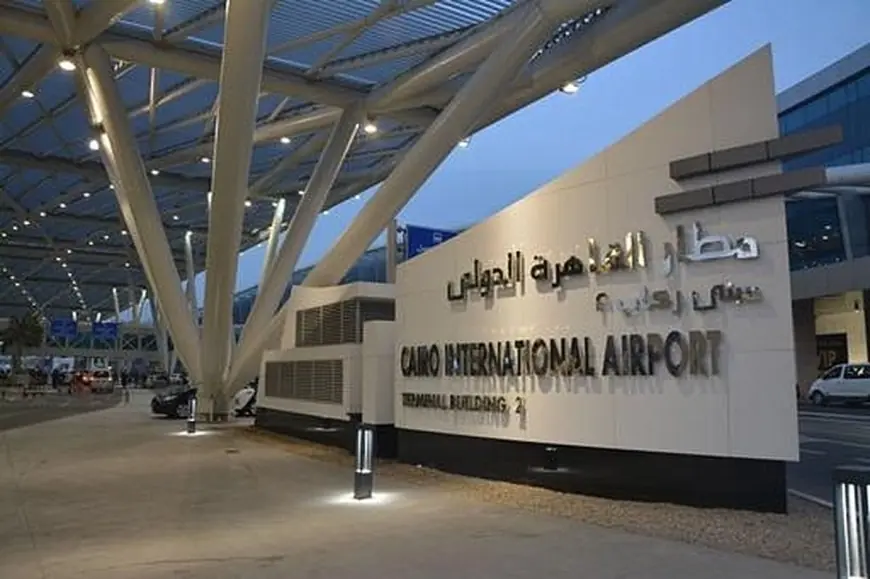
On Feb. 14, 2026 (ET), Cairo International Airport registered an unprecedented operational peak, handling 737 flights and moving 111, 212 passengers across arrivals and departures. The surge was led by international services and capped off a month that saw departing seat capacity climb sharply, consolidating Cairo’s role as a major transit and origin–destination node linking Africa, Europe and the Middle East.
Record-day operations and traffic breakdown
Official figures for the 24-hour period show international services drove the heavy lift: 584 international flights carried 96, 156 passengers, split almost evenly between 48, 494 departures and 47, 662 arrivals. Domestic activity remained material with 132 flights and 15, 020 passengers, and a further 11 special and cargo movements added to the day’s throughput. Airport operators point to intensified monitoring across departure halls, arrival terminals and airside operations as key to keeping turnarounds punctual despite unusually high volumes.
Operational teams credited tighter coordination among ground handlers, security checkpoints and air traffic flow managers for limiting disruptions. Improvements in passenger processing, lane management and transfer signage were highlighted as practical upgrades that kept queues moving on a day when both transfer traffic and point-to-point demand peaked. The mix of departure and arrival volumes underlines Cairo’s dual function as both an origin city and a preferred transfer hub for multi-leg itineraries.
January capacity surge and what it means for cairo flights
Industry schedule data for January 2026 shows Cairo recorded roughly 1. 75 million departing seats, a year-on-year increase of 10. 3 percent. That uplift reflects an expanded frequency and network depth on routes connecting Africa with Europe and the Middle East, alongside feeder flows from regional markets. For cairo flights, higher seat capacity combined with rising demand points to stronger load factors and firmer yields on many corridors.
When seat supply and passenger demand move in tandem, airlines gain pricing power. Close-in bookings—tickets bought nearer to departure—tend to push up average fares, and fuller cabins support ancillary upsell opportunities such as premium seats, baggage and priority services. The expanded seat map out of Cairo also benefits non-aeronautical revenue: retail, food-and-beverage, lounges and ground services see higher per-day take when throughput rises, supporting airport concessionaires and service suppliers.
Market impacts and near-term watchlist
For carriers and investors tracking cairo flights, several indicators matter in the coming months. Load factors, on-time performance, close-in booking behavior and revenue per available seat will signal whether the January gains translate into sustained margin improvement. Airlines adjusting aircraft gauge, adding frequencies or re-banking schedules to capture transfer traffic will influence where yields settle across peak and shoulder periods.
Risks remain: fuel price volatility, currency shifts and any geopolitical or health-related shocks could temper demand. Airspace constraints or regulatory changes would raise operating costs and travel times, weighing on both yields and passenger flows. Nonetheless, the combination of strategic location, recent infrastructure and procedural upgrades, and demonstrable demand growth positions Cairo to remain a pivotal hub for intra-continental and interregional travel through 2026.
Operational leaders say maintaining the recent performance level will rely on continued investment in passenger experience and resilience measures, ensuring cairo flights can meet rising expectations without sacrificing punctuality or service standards. The coming summer scheduling decisions and forward booking patterns will provide the clearest signals of whether the airport’s record pace is the start of a longer trend.