

















robert duvall: Hollywood giant and unlikely Scottish football cult hero

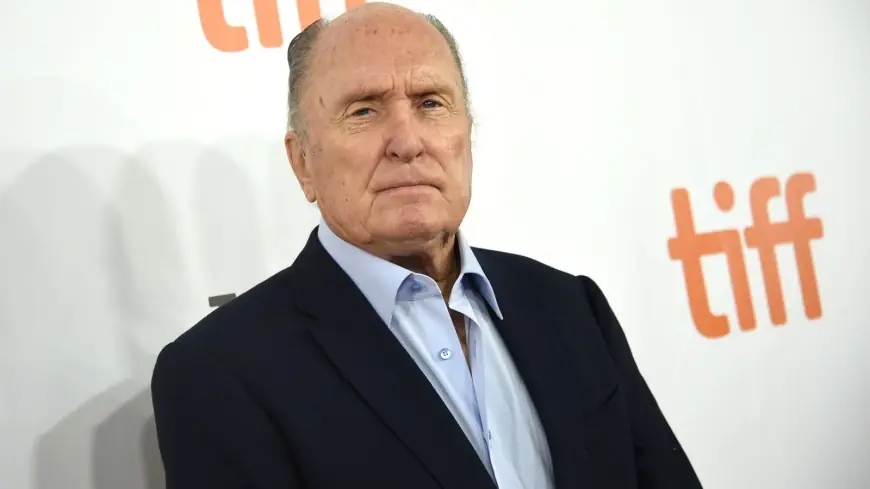
Robert Duvall, the Oscar-winning actor whose career stretched from The Godfather to Apocalypse Now, has died at the age of 95. While his filmography cements him as one of cinema’s greats, Duvall also carved out an affectionate, unlikely place in Scottish football culture during the making of the 2000 drama A Shot at Glory.
From heavyweight roles to Kilnockie FC: Duvall’s Scottish detour
Late in a career filled with iconic turns, Duvall embraced a very different challenge: playing Gordon McLeod, the beleaguered manager of fictional Kilnockie FC in a film that blended professional actors and real footballers. He immersed himself in the role by spending time at stadia across Scotland and interacting with the players and fans he would portray on screen. Production locations included several well-known Scottish grounds and he became a familiar face in crowds as he prepared for the part.
The on-screen chemistry between Duvall’s manager and the film’s temperamental striker, played by a former top-flight forward, helped create a narrative that resonated with local audiences. Off camera, Duvall reportedly enjoyed the camaraderie of the cast and crew, joining in social outings and embracing the banter that surrounds the game. He and his wife maintained warm ties with some of the players and sent annual Christmas cards to families connected to the production.
Peers and collaborators reflect on craft and humility
Tributes from colleagues highlighted Duvall’s range, discipline and grounded approach to acting. Directors who worked with him recalled an artist who treated each role as new, even after decades in the industry. One filmmaker described Duvall as nervous before a shoot—a sign, he said, of a performer who never rested on past laurels and whose preparation allowed him to bring authority and nuance to every scene.
Stories from sets reveal a generous, playful presence: moments of off-camera levity, a willingness to lay bare his craft, and even an instance of his wife discreetly feeding him lines during a complex sequence. These anecdotes underline a paradox that defined much of Duvall’s public life—an actor of undeniable stature who remained accessible and collaborative in smaller productions.
Legacy beyond awards
Duvall’s career earned him multiple Oscar nominations and a best actor win for a role that showcased his gift for inhabiting flawed, resilient characters. Yet the affection he earned in unlikely corners—such as Scottish football circles—speaks to a wider legacy. It is one of curiosity, of taking creative risks, and of showing up to learn from the communities he depicted.
His passing was first disclosed by his family, who said he died peacefully at home on Sunday; the family announced his death publicly on Monday. In statements reflecting both personal loss and gratitude, his wife praised his devotion to craft, his love of characters and the quiet generosity that marked his life away from the screen.
As tributes pour in from actors, directors and audiences worldwide, Duvall’s body of work remains a study in consistency and depth. Whether commanding a battlefield in a Vietnam-set epic, offering moral ballast in a gangster saga, or shepherding a makeshift Scottish side toward cup glory on film, he brought a seriousness of purpose and a warmth that made him, in many communities, more than an icon—someone they felt they knew.