






















ramadan time table 2026 — Events and fasting hours across north-west England

The Islamic holy month of Ramadan begins in mid‑February 2026, with communities across north‑west England preparing for a month of fasting, nightly prayers and charity. This guide outlines the likely start window, what fasting will look like in Eastern Time (ET) and how local events will mark the month.
When Ramadan is likely to start in 2026
Ramadan follows the lunar Islamic calendar, so the precise start hinges on the sighting of the new moon. Forecasts and religious calendars place the start of the month in mid‑February, with communities likely to mark the first day anywhere from February 17 through February 19, 2026, depending on local moon sightings and community practice.
The month lasts 29 or 30 days and concludes with the festival of Eid al‑Fitr. That means the end of Ramadan will fall in mid‑to‑late March 2026, with Eid observed roughly 29–30 days after the start date selected by each community.
Fasting hours translated into Eastern Time
Fasting during Ramadan is observed from dawn to sunset. In north‑west England, dawn and sunset times in February typically fall in the early morning and late afternoon local time. Converting those times to Eastern Time for clarity: dawn is roughly 05: 00 GMT (00: 00 ET) and sunset around 17: 30 GMT (12: 30 PM ET). These are approximate and will vary slightly by location and date.
Observant adults abstain from food, drink — including water — smoking and sexual relations between the start of dawn and sunset. Exemptions exist for those who are unwell, pregnant, breastfeeding, menstruating, travelling or otherwise judged unable to fast safely; many who miss fasts for legitimate reasons make them up at a later date when able.
What to expect in north‑west England: events and community arrangements
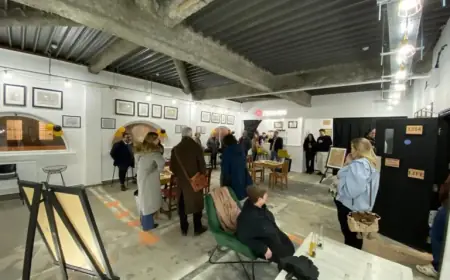
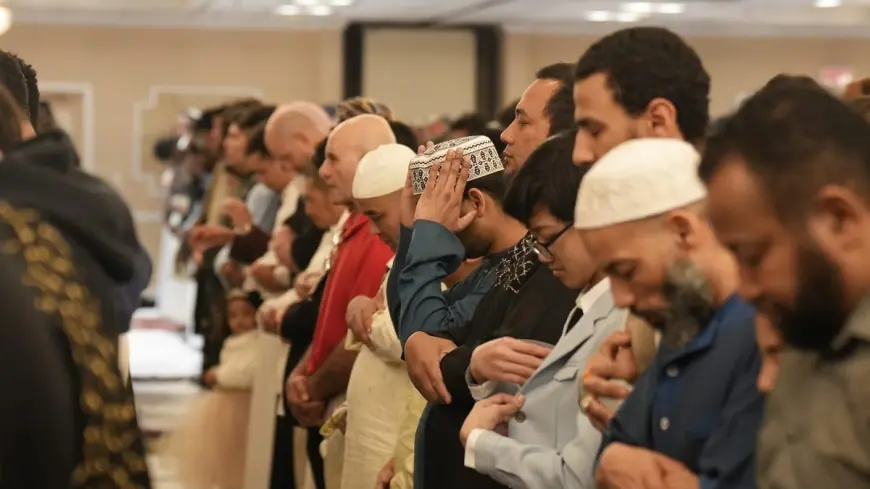
Across north‑west England, hundreds of neighbourhoods and faith centres will hold special events throughout Ramadan. Mosques host nightly prayers called Taraweeh, and community iftars — meals to break the fast at sunset — are common. Preparatory gatherings and community outreach activities often begin in the days before the expected start as people seek clarity on the moon sighting.
Demographic patterns show a substantial Muslim presence in the region: the 2021 census puts about 560, 000 Muslims across north‑west England. They account for roughly 12% of the population in Greater Manchester, about 8% in Lancashire, around 2% in the Liverpool City Region, and smaller shares in Cheshire and Cumbria. Those concentrations help explain the wide offering of public and community events during the month.
Local councils, volunteer groups and religious organisations typically coordinate to ensure community iftars, food banks and welfare support operate during the month. Businesses and services in heavily Muslim neighbourhoods often adjust opening hours, with eateries and shops staying open later in the evenings. Community leaders also emphasise extra charity and outreach during Ramadan, when giving to those in need is a particular focus.
For those planning around the month: expect announcements about the exact start date to come from local community leaders and moon‑sighting committees in the days before mid‑February. If you are attending events, check with organisers for precise prayer times and iftar arrangements, and note that fasting hours will shift slightly each day as dawn and sunset times change through the month.