























When is ramadan? Muslim holy month set to begin Feb. 18 or 19 (ET)

Muslim communities worldwide are preparing for Ramadan, the ninth month of the Islamic lunar calendar that brings a month of fasting, prayer and reflection. This year the month is expected to begin in mid-February, with the first day of fasting likely to fall on Feb. 18 or Feb. 19 (ET), depending on crescent moon sightings. The month typically lasts 29–30 days and will conclude in March with the holiday of Eid al-Fitr.
Exact dates hinge on moon sighting
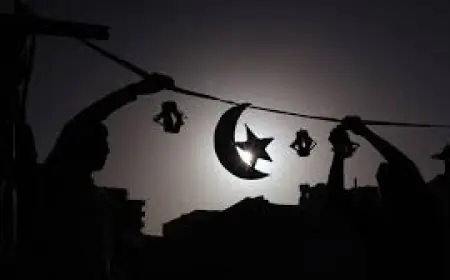
The start of Ramadan is determined by the sighting of the new crescent moon, so timing can vary across countries and communities. Moon sighting committees and religious authorities in some nations have called for gatherings on Tuesday evening, Feb. 17 (ET), to confirm the crescent, which would make Wednesday, Feb. 18 (ET) the first full day of fasting. Other countries and local communities may wait for a later sighting, placing the first day on Thursday, Feb. 19 (ET).
Because the Islamic calendar follows a lunar cycle, communities sometimes follow a nearby country's declaration or rely on local observations. That means the end of Ramadan and the start of Eid al-Fitr will also vary; the holiday is expected on either March 19 or March 20 (ET), depending on which day Ramadan begins locally.
What observance looks like: fasting, prayer and community
During Ramadan, observant Muslims fast from dawn to sunset, abstaining from all food and drink — including water — throughout daylight hours. The daily fast begins after a predawn meal called suhoor and is broken at sunset with an evening meal known as iftar. The fast is one of the Five Pillars of Islam and is intended as both worship and a practice of self-discipline, gratitude and empathy for those who are less fortunate.
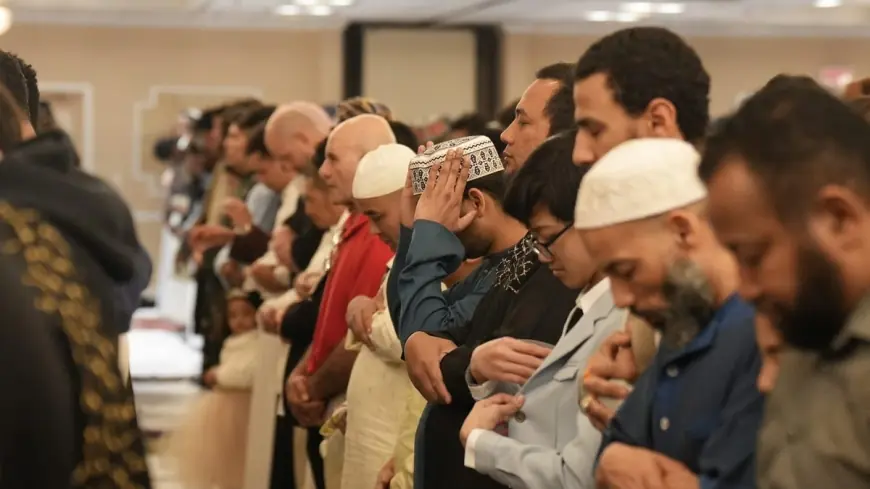
Nightly communal prayers and extended Quran recitation are common. Many Muslims make time for additional worship at mosques, while families and friends gather for iftar. Charity is a central feature of the month: individuals and groups often prepare meals for those in need, distribute food boxes or support community drives that ensure everyone can participate.
Exemptions exist for those who are ill, elderly, pregnant, breastfeeding, traveling, or otherwise unable to fast safely. People who miss fasts for valid reasons may make them up at a later time or provide compensatory charity, depending on individual circumstance and community practice.
Local communities and cultural traditions
In the United States, Muslim populations are diverse and active in cities across the country. Local mosques and community centers typically offer expanded programming during Ramadan, including nightly prayers, iftar dinners and educational events. In some regions, cultural customs add particular color to the month — from marketplaces and Ramadan bazaars to decorations and family gatherings.
This year, the start of Ramadan may overlap with other cultural observances in some places, including Mardi Gras and Lunar New Year, creating a busy calendar for interfaith and multicultural communities. For many, the convergence of these events will offer opportunities for shared celebration and outreach.
As communities prepare, residents are advised to check with local mosques, community leaders or moon sighting announcements for the definitive start date in their area. The expected window remains Feb. 18–19 (ET) for the first fast and March 18–19 (ET) for the end of the month, with Eid al-Fitr likely on March 19 or March 20 (ET), pending final sighting declarations.