














‘Love Story’ Is Doing daryl hannah Dirty, Viewers Push Back

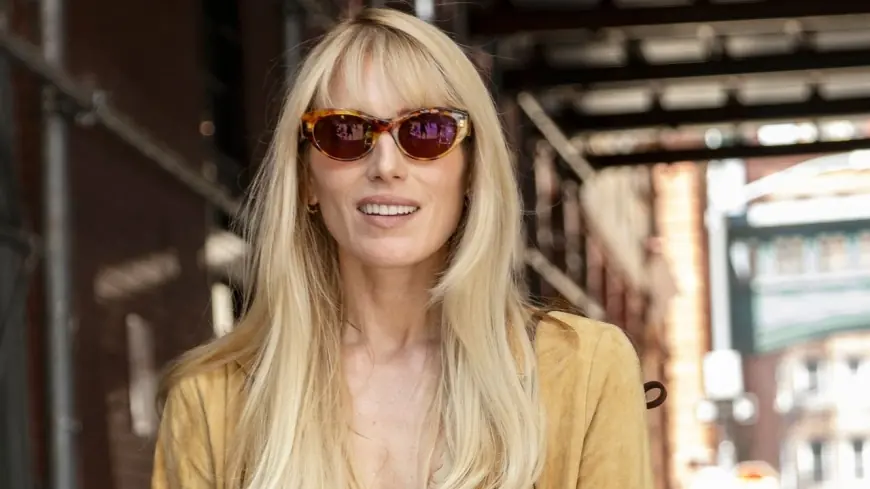
The new dramatization of a high-profile romance has ignited fresh debate over how real people are depicted on screen, with many viewers criticizing the series' portrayal of daryl hannah as one-dimensional and unflattering. The early episodes have amplified scrutiny about the line between dramatic license and caricature when writers rework living figures into narrative foils.
Viewers object to a caricatured portrayal
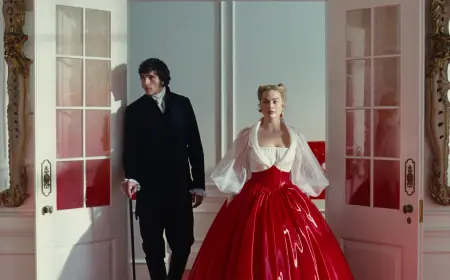
Audience reaction has clustered around a shared discomfort: the version of daryl hannah in the drama reads as a stereotyped, unstable rival rather than a fully drawn person. In the series, the character is written as petulant, attention-seeking and given extreme beats—most notably scenes that suggest substance misuse and emotional theatrics that some viewers say verges on mockery. Critics of the depiction argue that these choices reduce a complicated, public relationship to a simplistic romantic antagonist, robbing the real-life figure of nuance.
Part of the frustration stems from specific moments that lean into melodrama. An exchange in the early episodes equates the character's distress over a lost pet with the male lead's grief over his mother, a comparison many viewers found disproportionate and tone-deaf. Those moments, combined with stylized performance choices, have prompted conversation about why the writers felt compelled to craft an overt "villain" in a story otherwise centered on a slow-burning romance.
Drama versus responsibility: the risks of fictionalizing real people
Television creators routinely amplify conflict to propel narrative, and dramatization of public figures is nothing new. Still, when the subject is a living person with a widely known history, dramatists face both ethical and legal questions. Portrayals that veer into ridicule or rely on unflattering, sensationalized traits can prompt reputational pushback and raise the specter of defamation concerns.
Those considerations are heightened when a show trades in familiar cultural touchstones and collective memory. Viewers and commentators have asked whether the storytelling beats here serve the larger arc of the central romance or merely invite cheap laughs at the expense of a real-life woman. Some have noted that the actor taking on the role attempted a gesture of outreach prior to filming, a move observers interpret as an acknowledgment that the portrayal could sting. Whether that outreach softens the impact or underscores the potential harm is part of an unfolding public conversation.
What comes next for the series and for public debate
The debate is likely to persist as the series progresses and more episodes reveal how the writers frame supporting figures. Producers can respond in various ways: balancing the portrayal with more sympathetic context, allowing the character more interiority, or standing by creative choices as necessary dramatic condensation. Meanwhile, audiences will keep weighing entertainment value against perceived fairness to real people whose lives are being adapted for the screen.
Regardless of where the series lands, the current reaction demonstrates a growing expectation among viewers that dramatizations of public lives should do more than reuse familiar tropes for quick conflict. When real reputations are at stake, many are calling for portrayals that respect complexity rather than flatten it for storytelling convenience.