























U.S. Women Roll On in olympic hockey, Set Up Classic Gold-Medal Clash with Canada

The United States women’s hockey team advanced to the gold-medal game on Thursday (ET) with a commanding 5-0 semifinal win over Sweden, extending what has been an emphatic run through the tournament. The shutout streak and offensive balance that have defined the U. S. campaign leave them poised for a familiar showdown with Canada for Olympic gold.
U. S. depth and defense dominate
The semifinal victory showcased both scoring depth and defensive discipline. Five different players found the net in the 5-0 triumph, underlining a roster built for reliable secondary scoring rather than reliance on a single superstar line. More striking was the defensive performance: the U. S. has not conceded a goal in the last 331 minutes, an Olympic record, and has outscored opponents 31-1 across the tournament so far. That combination of stingy goaltending and spread-out offense has left opponents with few answers.
Special teams and game management have also been staples of the American approach. From timely penalty kills to patient transition play, the U. S. has controlled the tempo in key moments and converted chances when they mattered. The semifinal shutout was as much a statement about structure and discipline as it was about individual brilliance.
Gold-medal rematch looms with Canada
The win sets up a gold-medal game against Canada, renewing one of the sport’s most enduring rivalries. Since women’s hockey debuted at the Olympics in 1998, the two North American powers have met for gold in all but one edition, a pattern that has created a high-stakes familiarity and intense competitive history on the sport’s biggest stage. Expect a tense, physical affair where margin for error is minimal and special teams could determine the outcome.
For the United States, the challenge will be to maintain the defensive standards that produced the record shutout stretch while continuing to spread the scoring burden. For Canada, breaking through a defense that has been nearly impenetrable will require creativity, sustained pressure, and capitalizing on any power-play opportunities. With both teams used to the pressure of Olympic finals, individual clutch moments are likely to decide the medal.
Other Winter Olympic headlines and context
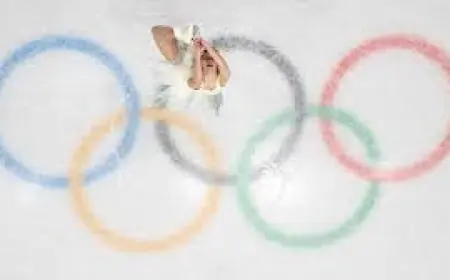
The games around the ice also delivered historic and emotional moments. In pairs figure skating, a team produced a comeback free skate that vaulted them from fifth into the gold-medal position, marking that country’s first Olympic medal in pairs competition. The result reshuffled expectations and delivered a first-ever Winter Games podium for another nation, highlighting the depth and unpredictability across events.
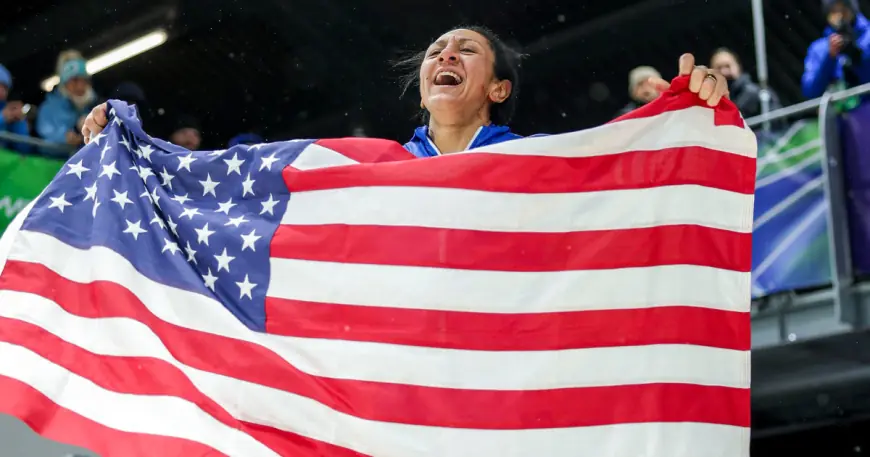
On the sliding track, one veteran added a long-awaited gold to an already impressive Olympic résumé. The bobsledder, now a six-time Olympic medalist, celebrated her first gold in the women’s monobob and embraced the moment with family after the victory, calling it the pinnacle of her career. The win also reinforced her status among the most decorated athletes on the U. S. team.
The mood of competition has been raw and dramatic at times. An alpine skier who led after the first run saw a hopes-crushing mistake in the second and reacted with visible anguish, underscoring the thin line between triumph and disappointment at this level.
As the tournament moves toward the medal rounds, the U. S. women’s hockey team will try to close out what has been a near-flawless run with gold on Thursday (ET). Whatever the outcome, the path to the final has reinforced that depth, structure, and resilience remain the clearest predictors of success at these Games.