






New Documentary Reignites Reckoning: tyra banks and the Mess Behind America’s Next Top Model

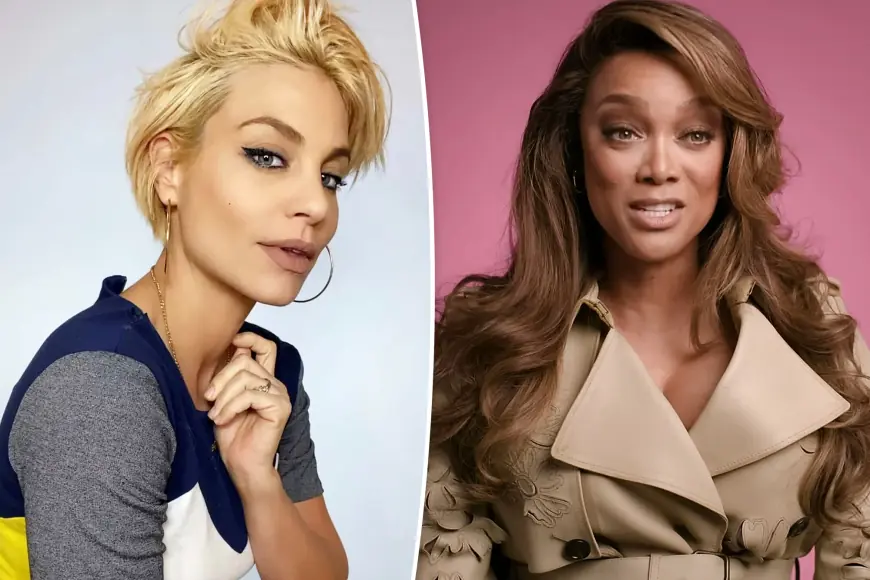
New interviews and archival footage in a recently released three-part documentary have reopened debates about the production practices and personal toll of a landmark reality series. The program gathers extensive testimony from former contestants and on-screen figures, placing the creator and host tyra banks squarely at the center of a complicated legacy.
Unprecedented access, defensive answers
The documentary brings on-camera interviews with many of the show’s central figures, including the host, longtime judges and key creative staff. That access allows the series to frame a fuller portrait of how the program was made and how editorial decisions shaped contestants’ on-screen narratives.
In trailer excerpts, the host offers what she calls a mea culpa, saying, "I knew I went too far. … It was very, very intense. … But you guys were demanding it. " Producers and executive staff appear on camera as well, and the interviews reveal a range of stances: some express remorse, others offer more guarded commentary and few embrace full responsibility. That mix leaves viewers weighing contrition against accountability.
Scenes that haven’t aged well
Viewers are confronted with scenes that many now describe as humiliating or exploitative. The documentary revisits moments of extreme makeovers, public weigh-ins and thematic photoshoots that critics say crossed ethical lines. Contestants recall being asked to pose in scenarios framed as edgy or high-concept — some of which, in hindsight, read as racially insensitive or dehumanizing.
One former competitor recounts being mocked for her body, told she had a "wide ass, " and says that the comment has echoed in her self-talk for years. Another describes being pushed into a photoshoot concept that referenced violence, a choice later called a "mistake" by a show executive in the film. The program repeatedly juxtaposes laughter and applause from set with private admissions of pain, underscoring a production environment that prioritized spectacle.
Contestants push back and demand more than apologies
Several alumni featured in the documentary reject the notion that a few statements of regret can resolve decades of harm. Some accuse the show’s leadership of exploiting contestants’ backstories and vulnerability to manufacture drama, arguing that this was not innocuous entertainment but a system that profited from emotional moments. One outspoken alum likens the current documentary to an attempt to rehabilitate a public image while preserving future commercial opportunities. She says accountability will require more than partial admissions.
Beyond individual grievances, the film raises broader questions about industry standards and gatekeeping. Despite being framed as a vehicle to diversify fashion and democratize modeling, many contestants say the show ultimately reinforced standard beauty norms and subjected participants to degrading tests that the wider industry did not embrace. For viewers who grew up with the series, the documentary forces a reassessment: memorable catchphrases and viral moments exist alongside accounts of harm that were visible, in some cases, even at the time.
Producers and on-camera staff repeatedly emphasize that the show was a product of its era, while others call for tangible remedies — from clearer welfare protocols to systems that prevent personal trauma from being monetized for ratings. The new documentary does not offer final judgments; rather, it amplifies voices that for years were framed within a reality-TV narrative and asks audiences to reconsider what responsibility looks like in a post-infamy moment.
Whether this renewed scrutiny leads to concrete changes in entertainment practices or mostly reshapes public memory remains an open question. For now, the documentary ensures the conversation about that show and its legacy will continue in homes and industry halls alike.