
























Why Norway's mens hockey olympics prospects lag behind its Winter Games dominance

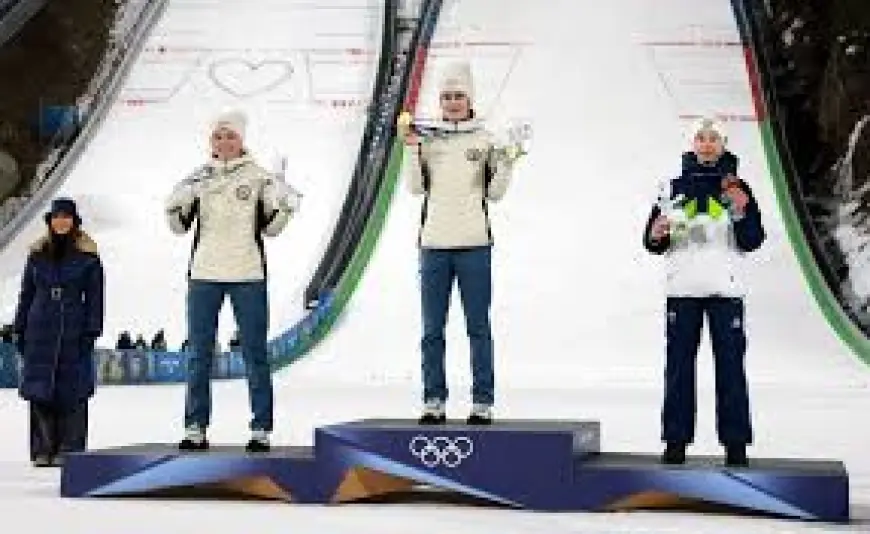
As of Monday, Feb. 17, 2026 ET, Norway sits atop the Winter Olympic medal standings, yet the country has struggled to translate winter-sport supremacy into success on the ice. Norway failed to qualify for the men's and women's Olympic hockey tournaments this year; the men's team came within one win of a 2026 berth. The contrast with neighboring Sweden and Finland is stark and raises questions about why a winter-power nation has so few elite hockey players and limited infrastructure.
Structural gaps: rinks, registration and geography
One of the clearest constraints is infrastructure. Norway has 54 indoor ice rinks nationwide. In comparison, more rinks lie within a 100-kilometer radius of Stockholm than in the entire country of Norway. Registered hockey participation also lags: Norway's licensed-player roster stands at 14, 742, while both Finland and Sweden list at least 65, 000 registered players. Those differences translate into far fewer opportunities for large-scale youth development and fewer local programs to funnel talent toward elite levels.
Geography and sporting culture play a role, too. Norway’s terrain and traditions favor skiing and other outdoor winter disciplines that already produce household names and national heroes. The resulting attention and funding skew toward those sports, creating a steeper climb for hockey to capture the public imagination and the best young athletes.
Talent pipeline, visibility and role models
At the top level, the numbers underline how thin Norway’s elite pipeline is. Only three Norwegian players appeared in NHL games this season — the longtime standout Mats Zuccarello, Emil Lilleberg and prospect Michael Brandsegg-Nygård — versus 95 Swedes and 46 Finns. Zuccarello’s career, which includes more than 940 NHL games, is something of an outlier: he left Norway as a teenager to pursue competition and inspiration abroad.
That scarcity of professional role models feeds back into participation. When hockey is a small sport at home, young athletes are more likely to choose soccer, handball, skiing or other pursuits with clearer pathways to national recognition. Former national-team figures note recruiting is tougher because so many children idolize athletes in non-hockey sports. Missing a major international event can compound that challenge: an Olympic appearance often delivers a visibility boost that spurs youth enrollment and sponsorship interest.
What would change the balance?
Fixing the hockey gap will be incremental and expensive. More indoor rinks and better-distributed training centers would give coaches a broader base to identify and develop talent. Investment in grassroots programs and school partnerships could introduce the sport to kids who otherwise gravitate toward skiing or team ball sports. At the elite end, targeted support to keep promising players in competitive leagues or help them transition abroad earlier would increase the chances of producing the next generation of NHL-caliber talent.
International success would accelerate progress. A sustained run in major tournaments or even a single memorable Olympic showing could raise the sport's profile and lure sponsors and local governments into building facilities. For now, Norway faces a paradox: a nation that dominates the Winter Games without the same depth in ice hockey that its Nordic neighbors enjoy. Bridging that divide will require patient planning, money and a few new role models to inspire the next wave of players.