














igor tudor vows 'no time for excuses' as he tackles Tottenham's 'unacceptable' form

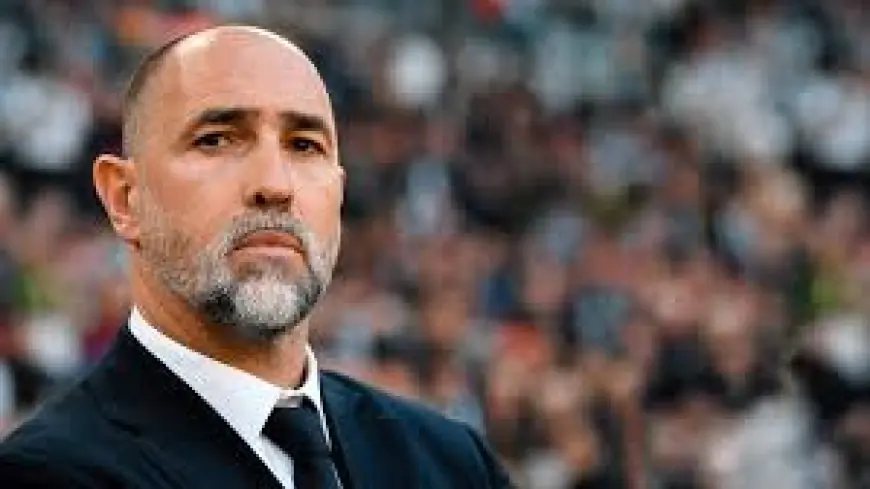
Interim head coach igor tudor has set a clear, urgent agenda after joining the club on a short-term deal: restore confidence, repair form and stop a worrying slide in the Premier League. Appointed until the end of the season on February 14, 2026 at 12: 00 ET, Tudor inherits a squad hampered by injuries and sitting perilously close to the relegation zone with just 12 matches remaining.
Immediate priorities: confidence, fitness and sharper training
Tudor did not sugarcoat the task ahead. He described the club's current league position as "one that nobody can accept" and said there is "no time to find excuses. " With more than a dozen players unavailable through injury, his early work will focus on tailoring the system to the bodies that are fit to play while rebuilding belief among those selected.
Central to Tudor's plan is a renewed emphasis on training. He believes the patterns established in practice must translate quickly to match situations, and has told players that every session must contribute to clearer organization and greater conviction on the pitch. The coach stressed that style matters, but in the short term the priority is practical: find a setup that extracts the most from the available squad and instill the courage to execute it during games.
Restoring confidence is a twofold operation: tactical clarity and individual reassurance. Tudor has made it plain that he expects players to accept a defined path and to give "something extra" in every outing. That message is aimed at arresting an eight-game winless domestic run that precipitated the previous manager's dismissal and has left supporters deeply frustrated.
Fixture pressure and a short, high-stakes mandate
Tudor's first match in charge arrives quickly: a home fixture against a major rival on February 22, 2026 (ET). The calendar affords little time for wholesale change, meaning immediate impact is essential. Beyond the league struggle, the team also faces European commitments restarting in March, adding further strain to squad management and selection choices.
The new head coach arrives with a résumé of mid-season turnarounds and domestic experience at several clubs. He has previously stepped into difficult situations and produced improvements, and he appears determined to apply that template here: tighten organisation, increase intensity and demand consistency over the coming weeks. The mandate is straightforward — stabilise performances and climb the table before the season concludes.
There are tough questions beyond tactics. Tudor must decide how much to preserve of the club's recognised playing culture while imprinting his own methods. He has said that style remains more important than system but that intelligence and flexibility are required to adapt quickly to player availability. That balancing act will define whether his brief tenure can arrest the slide.
Supporters will be watching for visible change in both results and temperament. With the gap to safety small but precarious, every match takes on heightened significance. Tudor's message is unambiguous: excuses are not acceptable, and immediate action is necessary to turn a fraught run of form into a stable finish to the campaign.