



![Florida Panthers Face Off Against [Team Name] on April 4, 2026](https://www.filmogaz.com/uploads/images/202604/image_430x256_69d2395a47e1f.webp)

















william shatner recalls working with 'fragile' Judy Garland on Judgment at Nuremberg

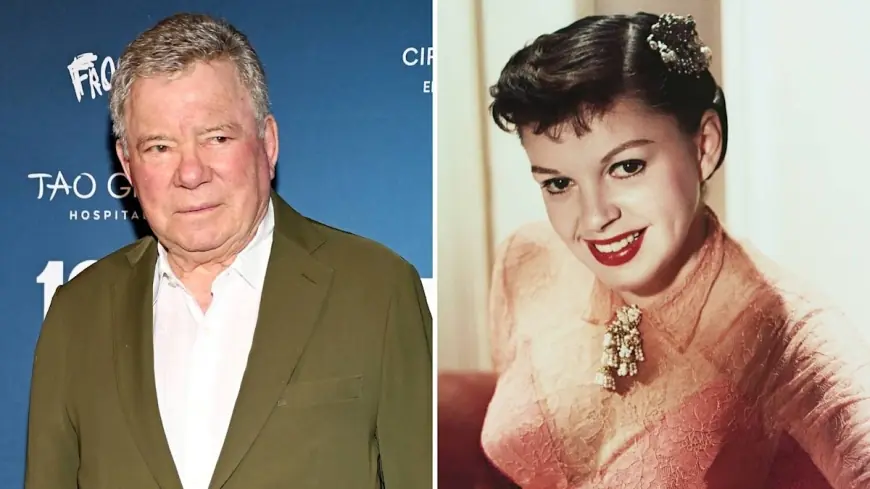
William Shatner, now 94, has revisited a formative early-career memory: an encounter with Judy Garland that left him struck by her talent and vulnerability. The actor described first seeing her as a teenager and later sharing brief screen time with her on a major courtroom drama, calling the experience both humbling and unforgettable.
A vivid teenage memory in Times Square
Shatner said the image of Garland began long before he ever set foot on a major film set. As a young man visiting New York from Montreal, he saw her perform in Times Square and was stunned—not just by her artistry, but by what he perceived as a troubled presence. He recalled watching her on stage and thinking, "My God, she's my heroine. And I think she's drunk. " That moment, he said, complicated his admiration: he could still see the singer's luminous talent while confronting the reality of her struggles.
On set: fragile brilliance during a landmark film
Years later, Shatner found himself on the same production as Garland. He described her on-set persona as "very fragile, " a quality that he felt was part of a larger, poignant continuity from the woman he first admired as a teenager. Shatner acknowledged Garland's immense talent, noting the power she brought even to a brief role as Irene Hoffmann. The film itself assembled numerous established performers and rising actors, and for Shatner—then early in his film career—it was an eye-opening experience to work alongside such seasoned artists.
Garland's performance in the film earned widespread recognition and a nomination for Best Supporting Actress at the Academy Awards. Shatner emphasized that sharing the screen with her, even for a short time, was "a marvelous, astounding experience for a young actor" and something he continues to value.
Legacy, struggle and a grateful reflection
Shatner placed Garland's onstage difficulties in the context of long-documented struggles with addiction and exploitation dating back to her youth. He said he read about what she had endured and that those revelations shaped his understanding of the woman behind the performances. While he did not dwell on the darker details, he framed his recollections as a tribute to Garland's artistry—"an enormous talent"—and to the impact of seeing such talent up close.
For Shatner, the encounter stitched together two moments in time: youthful idolization in a bright theater and the sober reality of meeting an older, vulnerable artist on a film set. That continuity—of admiration seasoned by empathy—remains central to how he remembers Garland and the experience that helped define his early career.
Decades on, Shatner's reflections offer a personal snapshot of Hollywood's midcentury era: the glamour and the strain, the brief collaborations that leave long impressions, and the complicated human stories behind iconic performances.