






















lunar new year 2026: Year of the Fire Horse roundup from across Asia

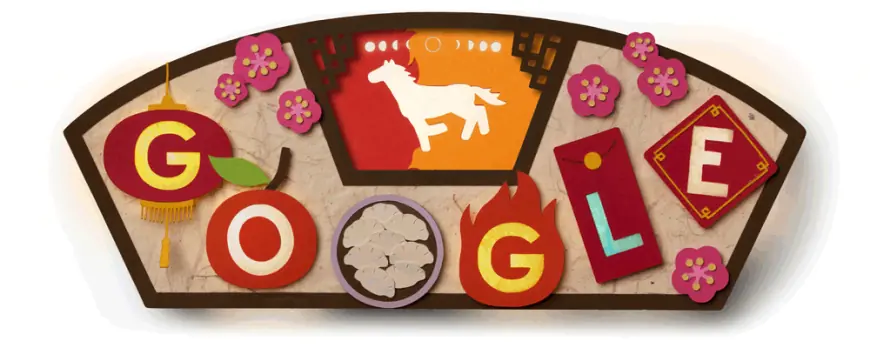
The Year of the Fire Horse has arrived, and celebrations stretched across Asia as millions observed the 15-day festival that follows the first new moon. From crowded streets and ceremonial tables to robot stages and quieter family rituals, this year’s events mixed tradition with technology and shifting social habits.
Food, symbolism and regional dishes take centre stage
Food continued to anchor festivities. In Malaysia and Singapore, communities gathered for the rowdy ritual of tossing yusheng, the raw fish salad that must be mixed aloft by everyone with chopsticks to invite prosperity. In the Korean peninsula, practical gifts such as tins of luncheon meat remain a popular New Year present. Across Vietnam, Tet menus varied by region: northern families prepared the square bánh chưng, wrapped in banana leaves and filled with glutinous rice, mung beans and pork; southern households favoured the cylindrical bánh tét.
A striking offering in many Vietnamese homes is a whole boiled chicken presented upright with head and feet attached, sometimes adorned with a single red rose in its beak. The intact bird symbolizes completeness and unity, while the red accent reinforces wishes for good fortune in the coming year.
Robots, galas and the modern spring festival
This year’s festivities saw an increased role for humanoid machines. A Shanghai start-up staged an hour-long variety show where humanoid robots performed dance, comedy and music, and national New Year galas included robotic acts from multiple firms. The presence of humanoid performers reflects both heavy investment in robotics and artificial intelligence and a broader push to showcase technological prowess during national celebrations.
Where machines took the spotlight, the pageant of innovation also raised questions about performance and purpose: whether humanoids serve as entertainment, symbols of industrial ambition, or both. For many viewers, the novelty of robots sharing a stage with human performers added a futuristic note to customary year-end programming.
Changing rituals, social signals and public messaging
Traditions are evolving. In one East Asian country, a notable majority of people—more than 60%—said they would not set up the elaborate ancestral charye tables that once defined New Year observance. Instead, many opted for simpler gatherings or private remembrances, reflecting generational change, urban lifestyles and shifting priorities.
At the same time, public messaging and content moderation intersected with the festival: authorities intensified efforts to limit online posts deemed disruptive to social norms, with commentary on topics such as childbearing falling under scrutiny. Those measures underscore the festival’s dual role as both a cultural moment and a flashpoint for broader social debates.
Astrological expectations also framed hopes for the year ahead. The Fire Horse returns only once every 60 years and is associated with dynamism, independence and drive—traits many celebrants hope will translate into momentum for personal ambitions and national progress.
As festivities wind down, households will clear offerings, elders will distribute well-wishes and communities will look to the months ahead. Whether gathering for sticky rice cakes, toasting with mandarin oranges, or watching robots on stage, observers say this year’s lunar new year blended the old and the new in ways that reflect the region’s changing social landscape.