


















New three-part film on tony blair gives intimate access but skirts the hard questions

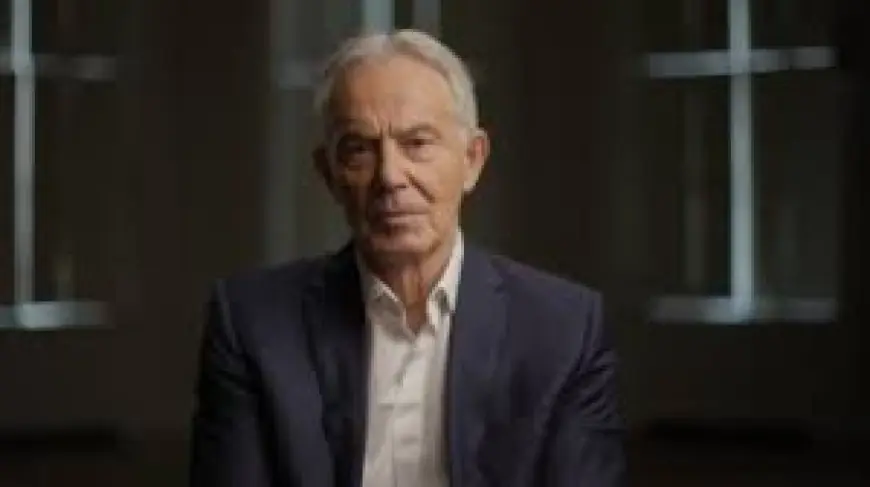
A new three-part documentary uses long interviews with Tony Blair and members of his family to sketch a portrait of the former prime minister as a driven, image-conscious figure. The series delivers vivid personal moments but frequently retreats from the granular analysis that would interrogate how Blair operated inside Britain’s political machinery.
An intimate portrait with strong human detail
The filmmaker secured extended conversations with Blair, his wife and several of their children, and intercuts those sit-downs with archival material and recollections from allies and critics. Early episodes trace Blair’s formative years at an elite school, the shock of family illness and the experience at Oxford that pushed him from counterculture student to ambitious law graduate. Viewers see how personal loss and early rivalries helped shape a personality that prizes control and presentation.
Those close-up moments are the film’s strength. There are scenes that capture Blair’s face when he believes the camera has been turned away — the smile thinning, expressions of unease and a guardedness that undercuts the polished public persona. Family members offer frank observations: praise for political skill sits alongside uncomfortable acknowledgements about private tensions. The domestic material humanises a public figure often reduced to headlines, and the interviews make clear how much of his life has been bound up with the management of image and ambition.
Big events skimmed; systemic context missing
Where the film falters is its tendency to prioritise psychology over institutional scrutiny. Major turning points — the internal manoeuvres that elevated Blair above better-established rivals, the alliances that shaped his rise, and the networks of modernisers that backed him — are treated as backdrops to a personal narrative rather than subjects for forensic inquiry. The consequence is a portrait that explains why Blair wanted power and how he felt when he achieved it, without fully explaining the political mechanics that made his leadership possible.
Notably, the series devotes substantial time to scenes about his family life and personal ambition while leaving less space for a detailed examination of policy choices and the alliances that sustained them. When the programme turns to questions about money and post-office activity, answers are allowed to stand with limited follow-up. Moments that might have benefited from deeper cross-examination — the handling of contentious foreign interventions and the growth of Blair’s international role after leaving office — are outlined but rarely placed under the kind of sustained, documentary scrutiny that would test memory against documentary record.
Style, legacy and the shape of the biography
The director’s choice to treat the subject as a character study produces drama and accessible storytelling, but it also narrows the film’s remit. For viewers seeking a rigorous political biography, this series will feel incomplete: it leans on personal testimony and evocative imagery rather than on meticulous excavation of institutional decision-making. For viewers wanting to see the man behind the headlines, it offers telling, sometimes uncomfortable moments that reveal the craft of political self-presentation.
Ultimately, the documentary functions as a careful, often sympathetic character sketch that acknowledges controversy without always confronting it. It raises more questions about legacy and responsibility than it answers, leaving the audience to decide whether this intimate access is a substitute for the kind of systemic analysis that would place personal choices inside the machinery of power.