














Why look mum no computer is the UK's unconventional pick for Eurovision 2026

The United Kingdom has chosen electronic artist and YouTuber Look Mum No Computer to fly the flag at the Eurovision Song Contest in Vienna in May 2026. The selection of the inventor-performer, known for building unusual instruments and large-scale DIY projects, marks a clear shift toward a risk-on strategy for the contest.
A maker turned pop entrant
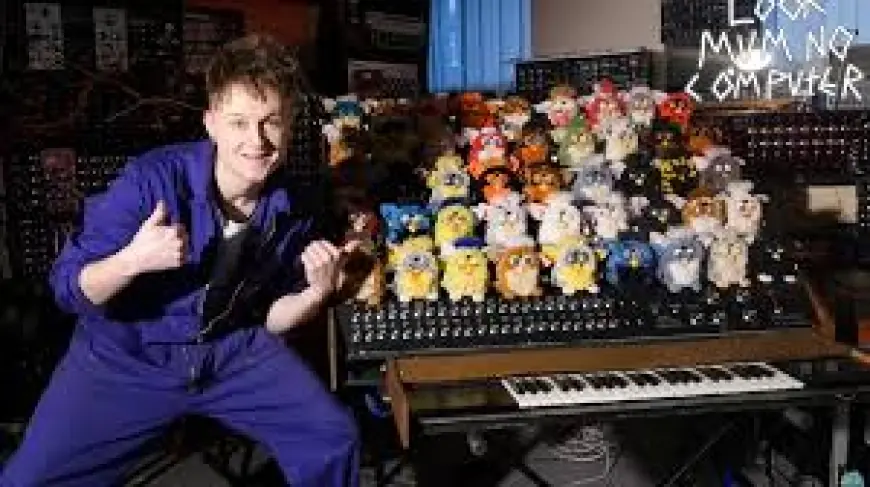
Look Mum No Computer is the stage name of Sam Battle, a Kent-based musician and creator whose work spans songwriting, live electronics and engineering bespoke musical machines. He first appeared on the music scene as the frontman of indie band Zibra and has since built an audience as a solo artist and content creator, attracting roughly 1. 4 million combined followers across social channels.
Battle has gained attention for converting obsolete toys and electronics into playable instruments: organs made from Furby toys, Game Boys repurposed as synths, and even a drone-based synthesizer that earned recognition from a world-record authority. He also runs a small museum devoted to experimental and obsolete musical technology, describing it as a home for battered and bygone instruments he resurrects and documents.
"I find it completely bonkers to be jumping on this wonderful and wild journey, " he said, adding that Eurovision has long been a personal favourite. "I will be bringing every ounce of my creativity to my performances, and I can't wait for everyone to hear and see what we've created. I hope Eurovision is ready to get synthesized!"
What to expect on the Vienna stage
Details of the song and staging have been kept under wraps, but organisers and Battle himself have signalled this will be a visually and sonically idiosyncratic entry. The artist's track record suggests a performance that could mix handcrafted electronics, quirky humour and theatrical spectacle—elements that play well in a contest that rewards memorable and novel presentations.
Battle's previous projects demonstrate a willingness to blur lines between maker culture and pop performance: vintage hardware reprogrammed into church-organ voices, synthesiser bicycles and keyboards fitted with flame effects. If those instincts make it into the Eurovision staging, the entry will stand apart from conventional mainstream productions and align with a broader trend at the contest toward eccentric, attention-grabbing acts.
Why the UK is leaning into risk
After years of mixed results at the contest, the decision-makers behind the UK's entry appear ready to gamble on experimentation rather than safe, nostalgic choices. The internal selection process used by the broadcaster and a team of industry advisers has favoured an artist with a strong creative identity and a ready-built international following.
"His bold vision, unique sound and electric performance style make him a truly unforgettable artist, " commented the broadcaster's head of entertainment, highlighting creativity, ambition and a distinctly British wit as qualities the country wants to showcase on the international stage.
For the UK, the move is both strategic and symbolic: strategic because an act with a devoted online audience and a knack for viral visuals could perform better in a fragmented viewing landscape, and symbolic because it signals openness to non-traditional music-makers representing the nation.
Cynics may see the pick as a gamble; supporters argue it is precisely the sort of bold, modern choice that could cut through in a contest increasingly populated by theatrical and unconventional acts. Either way, the announcement ensures that the UK’s approach to Eurovision 2026 will be discussed and dissected in the months leading up to the live shows in Vienna.
Battle has promised to treat the role seriously and deliver a performance that reflects his long-standing creative practice. With the song yet to be revealed, the wider music world and Eurovision fans must wait to see whether the maker’s experimental instincts translate into votes in May 2026.