







tyra banks faces renewed scrutiny as new ANTM documentary exposes messy legacy

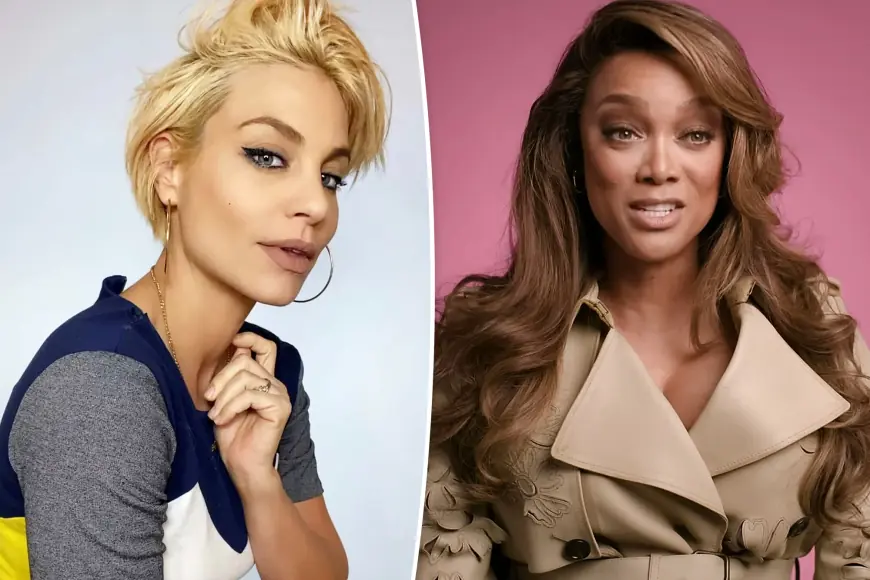
The long-running reality series America’s Next Top Model is under renewed examination as a three-part documentary revisits the show’s rise and its controversial methods. The series assembles interviews with former contestants and key production figures, laying bare episodes of body-shaming, humiliating challenges and a debate over how much accountability the show’s creators should accept.
What the documentary reveals
Former competitors and behind-the-scenes staff appear on camera to recount the show’s most notorious moments. The documentary includes interviews with the program’s creator and host and several former judges and creative staff, alongside dozens of alumni. It revisits shocking elements: contestants weighed on camera, extreme makeovers presented as transformational, and photoshoots that many describe as tone-deaf or exploitative.
Several contestants recount being pressured into storylines that caused lasting harm. Examples highlighted in the film range from a safari-themed shoot in which a model was asked to pose as an elephant, to a photoshoot that depicted violence in ways viewers and participants later called insensitive. One contestant says she was asked to pose with a simulated bullet wound despite having a real-life family trauma connected to gun violence. Producers in the documentary acknowledge some choices were mistakes, while other participants place blame higher up the chain of command.
Proponents of the original series once hailed its viral moments and catchphrases as cultural contributions, and the show’s formula helped launch careers in modeling and entertainment. But the documentary frames those moments within a broader critique: what began as attention-grabbing television often crossed into public shaming and emotional manipulation of young contestants who frequently lacked industry experience or resources.
Critics and former contestants push back
Several outspoken alumni are featured or are publicly reacting to the revisit. One former contestant, who later returned for an all-stars edition and became a vocal critic, has called the revisiting project a performance meant to rehabilitate the image of the show’s leaders and described it as a “money grab. ” That alum says the series’ editing and production tactics once turned deeply personal trauma into dramatic television and doubts any surface-level apologies will be genuine.
Other former contestants describe how the show was framed as their big break but frequently worked against them — with producers and on-air talent driving narratives that amplified conflict and vulnerability. Contestants who voiced distress at the time say they were pressured to continue, and dispute portrayals that now characterize those moments as mutual entertainment rather than emotional harm.
Tyra Banks’ response and the wider reckoning
The creator and host is shown addressing some of the criticism within the documentary, acknowledging that certain decisions went too far and that the environment could be intense. Some former judges express contrition; others emphasize that the series reflects early-2000s reality TV norms that would not pass contemporary scrutiny.
Yet not everyone accepts the explanations. Critics argue that admission of mistakes in a retrospective film does not erase years of harm, and some alumni have produced their own projects or commentary to contest the framing offered in the new series. The debate is part of a larger cultural reassessment of reality television’s treatment of contestants and the ethics of exploiting personal histories for viewer engagement.
As the conversation continues, the show’s legacy remains tangled: it launched memorable pop-culture moments and introduced modeling to a mainstream audience while also leaving behind a complicated trail of grievances from those who say they paid a personal cost for television drama. The documentary has renewed pressure for clearer accountability from creators and for better protections for participants in unscripted programming.