
























Ramadan Begins as Moon-Sighting Decisions Set the 2026 Start Date and Reshape Daily Life From Dusk to Dawn

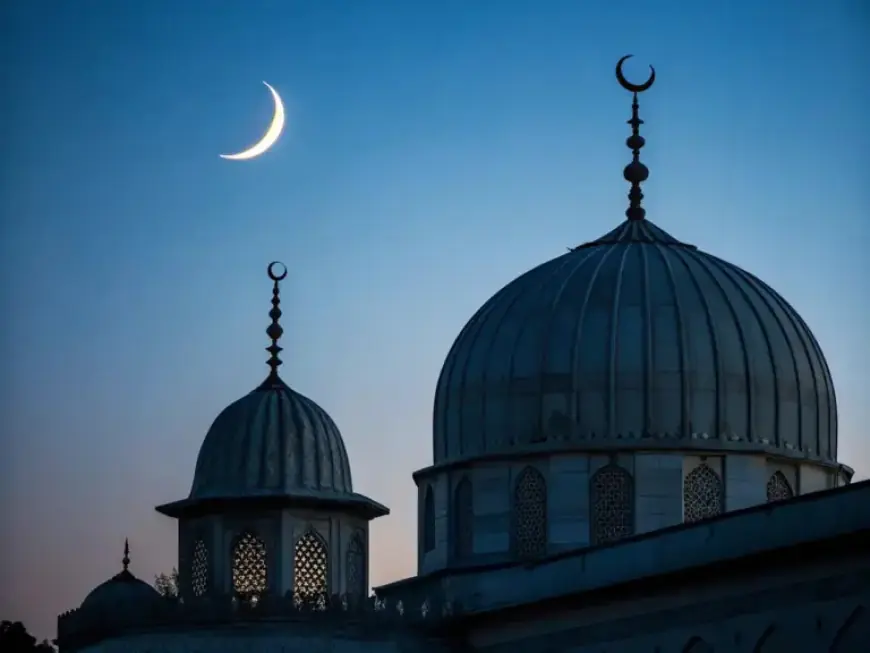
Ramadan is now starting for millions of Muslims, with the first full day of fasting widely set for Wednesday, February 18, 2026 ET in many countries and communities, while others begin one day later on Thursday, February 19, 2026 ET. That one-day difference is not an error. It reflects how the Islamic lunar calendar works: the month begins when the new crescent moon is confirmed under a community’s accepted method, and visibility can vary by geography and standards of verification.
For households, mosques, schools, employers, and city services, the start of Ramadan functions like a nationwide schedule switch. Sleep patterns change, traffic patterns shift, evenings get busier, and demand rises for communal meals and charitable support.
What Ramadan is and what happens during the month
Ramadan is the ninth month of the Islamic lunar calendar and a central period of worship, self-discipline, and community. Muslims fast from dawn to sunset each day, abstaining from food and drink during fasting hours. Many also focus on prayer, Qur’an recitation, charity, and improving personal conduct.
Daily rhythm is built around four anchors:
-
Suhoor, the pre-dawn meal before the fast begins
-
The fast itself from dawn to sunset
-
Iftar, the sunset meal that breaks the fast, often started with dates and water
-
Taraweeh, special night prayers commonly held after the evening prayer throughout Ramadan
Ramadan ends with Eid al-Fitr, a major holiday marked by communal prayer, visiting family, and charitable giving.
Why the moon sighting matters and why start dates can differ
The biggest calendar question every year is simple: when does Ramadan start. The answer depends on crescent confirmation. Some communities prioritize physical sighting in their region, while others accept sighting from elsewhere or rely on established calculation criteria that can be set in advance.
Behind the headline, the incentives split into two types of certainty:
-
Planning certainty: schools, employers, airlines, venues, and mosques benefit from fixed schedules published early.
-
Ritual certainty: communities that emphasize local confirmation value an approach rooted in what is visible and verified for their region.
Both approaches aim for religious integrity, but they can land on different start dates, especially when the crescent is marginal and weather or geography affects visibility.
Stakeholders: who feels the shift first
Ramadan’s first week hits multiple groups at once:
Families and students
Households rework sleep and meal timing overnight. Students may need earlier mornings for suhoor and later nights for prayers, which can affect focus and stamina.
Mosques and volunteers
Taraweeh brings larger nightly crowds. That creates pressure on parking, overflow spaces, security, traffic control, sanitation, and childcare support.
Employers and public services
Workplaces that adjust schedules often see better safety and productivity outcomes, especially for physically demanding jobs. Public transit and delivery services may see demand move into late evening hours.
Charities and community kitchens
Donations typically rise, but so does need. Many communities run iftar programs daily, with costs and logistics ramping quickly.
What we still don’t know, even after the start is set
Even when the first day is announced, several key details remain unsettled until later in the month:
-
Whether Ramadan will be 29 days or 30 days this year, which determines the Eid date
-
How different communities will align in places with many mosques and multiple calendar methods
-
Whether attendance surges will require expanded safety measures at major prayer sites
-
How quickly institutions finalize accommodations for exams, shift work, and travel
These are not minor details. A one-day difference can affect time-off requests, event permits, flight pricing around Eid, and staffing for large community gatherings.
Second-order effects that show up after the first week
Ramadan changes more than meal times. It reshapes public life. Retail often shifts later into the night. Family gatherings compress into shorter windows after sunset. Traffic can spike near iftar time, and again late at night after prayers. Sleep disruption becomes a quiet but significant factor, influencing school performance, workplace safety, and road risk.
A particularly important second-order effect is community capacity: iftar programs and nightly prayers can grow faster than volunteer rosters, which puts pressure on the same small group of organizers to sustain operations for four weeks.
What happens next: realistic scenarios and triggers
-
Smooth alignment and stable routines
Trigger: clear local announcements and consistent timetables reduce confusion, and attendance stabilizes after the first several nights. -
Split starts within the same city
Trigger: different mosques follow different confirmation methods, leading to two start dates and logistical complexity for families. -
End-of-month date swing for Eid
Trigger: a 29-day month brings Eid earlier; a 30-day month pushes Eid one day later, affecting travel and staffing. -
Late-month attendance surge
Trigger: the final ten nights draw larger crowds, increasing demand for overflow spaces, security coordination, and volunteer staffing. -
Rising demand for charitable support
Trigger: higher food and service costs plus increased need drive expanded fundraising and more frequent community meals.
Why it matters now
Ramadan is both a spiritual season and a real-world organizing force. It changes how millions of people eat, sleep, commute, work, study, and gather every day for a month. The immediate story is the start date and the moon sighting decision. The deeper story is how communities sustain worship, generosity, and daily responsibility at the same time, and how institutions respond when a religious calendar becomes a whole-society schedule. Ramadan Mubarak.