





















From Drones to Dragons: año nuevo lunar Celebrations Light Up Asia

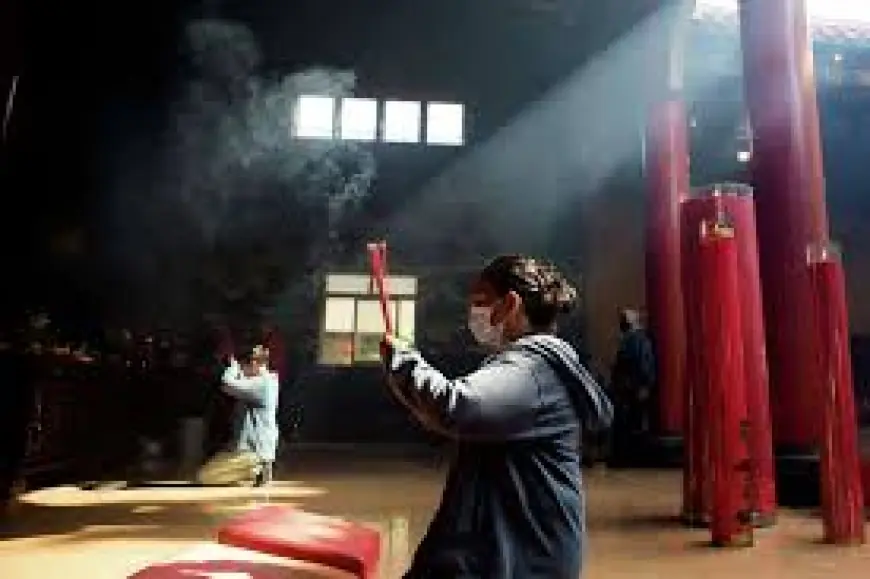
More than a billion people across Asia and in diasporic communities welcomed the año nuevo lunar on Tuesday, a festival that blends ancient rites and modern spectacle. Streets, temples and stadiums filled with family reunions, dragon and lion dances, and a string of surprising technological flourishes — from drone light shows to humanoid robots — that underscored how tradition and innovation converged in the holiday observances.
Mass movements, family rituals and temple devotion
The holiday, which marks the arrival of spring and the first new moon of the lunisolar calendar, remains the region’s most widely observed cultural occasion. In many countries the public life of the festival centers on family: long journeys home, marathon banquets and rituals to honor ancestors. This year’s celebrations showed those patterns in full force, with millions making the annual trip from big cities back to hometowns for reunions and ancestral rites.
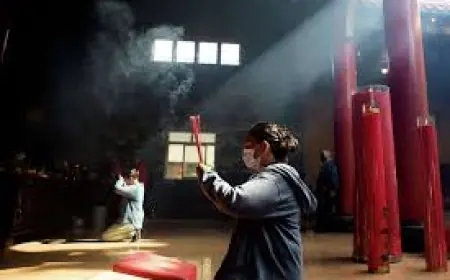
Temples were focal points for devotion. Crowds gathered to light incense and lay food offerings at altars, while monks and worshippers observed traditional prayers and ceremonies. Scenes of solemn temple vigils stood alongside the more celebratory street spectacles: in several capitals, reverent groups queued for hours to make offerings in the days leading up to the new moon.
Dragons, lions, kumquats and regional customs
Parades of dragons and lion dancers threaded through neighborhoods from Southeast Asia to Chinatowns around the world. The rhythmic drums and cymbals that accompany these dances are meant to drive away misfortune and usher in good luck and prosperity for the year ahead. In Vietnam shoppers lined marketplaces to buy potted kumquat trees, a long-standing symbol of luck and prosperity for the household. In Korea, families maintained the custom of eating rice cake soup and donning traditional hanbok garments for formal greetings.
Variants of the same themes appeared across countries: ceremonial meals and ancestor veneration, colorful public processions and a communal wish for health and prosperity. In places where the holiday triggers the world’s biggest annual human movement, transportation hubs were exceptionally busy as people aimed to complete journeys in time for family gatherings.
Modern spectacles: drones, robots and massive dragons
This year’s celebrations also featured striking technological elements that framed the festival for 21st-century audiences. In Hong Kong, a night sky display of more than 2, 000 drones created sweeping light formations over the skyline. In parts of China, entertainment programs blended human performers with robots: humanoid machines appeared at major gala events, some demonstrating martial arts routines and even dancing alongside robot dogs at temple stages.
Other large-scale displays recalled the pageantry of traditional processions with modern scale. A dragon nearly 238 meters long was paraded before a government palace in one city, while fireworks and metal-cast displays punctuated celebrations in urban parks. The juxtaposition of ancient symbols — the dragon as a bearer of fortune and rain — with cutting-edge tech offerings highlighted how public ritual is being reimagined without losing its core purpose.
The holiday’s breadth was evident in surprising locales as well. Dragon dances and lion performances took place not only in the region’s cultural centers but in overseas communities and even in religious sites that are not traditionally associated with East Asian customs, demonstrating the festival’s global reach and adaptability.
As festivities wound down, observers noted the familiar mix of reflection and revelry: people gathering to give thanks, to honor elders and ancestors, and to hope for a year of stability and prosperity. Whether through the quiet of temple incense or the flash of drone-lit skies, this year’s celebrations reinforced the año nuevo lunar as both a timeless social ritual and a canvas for contemporary expression.