



















Reality Check review: america's next top model documentary portrays Tyra Banks poorly in a damning rethink

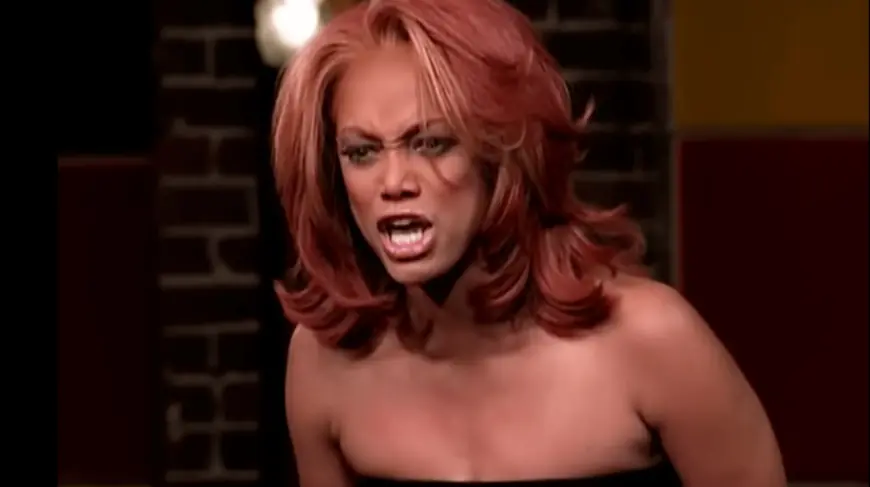
A new three-part documentary digs into the heyday of america's next top model and delivers uncomfortable testimony from former contestants and show insiders. With rare access to key figures, the series paints a picture of a program that yielded cultural catchphrases and viral moments while also normalizing humiliation, body-shaming and questionable production choices.
Exceptional access, muddled execution
The documentary assembles on-camera interviews with the series’ creator and host, longtime coaches, creative directors, photographers and dozens of former contestants. That access allows participants to describe not only the staged drama seen on screen but also the off-camera pressures and manipulations that shaped their experiences. Still, the film’s editorial approach undermines some of its power: an overlong runtime, frenzied pacing and relentless editing choices dilute moments that might have packed greater impact in a tighter film.
Those production decisions matter because the revelations are often straightforward and sharp. Contributors recall the show’s viral language and stunts, and then juxtapose them with the human fallout. Memorable catchphrases and signature techniques are shown to coexist with sustained patterns of critique aimed at contestants’ bodies and emotional resilience.
Body-shaming, humiliating photo shoots and long-term harm
At the centre of the documentary’s critique is an uncomfortable truth: many of the show’s signature challenges and makeovers inflicted real harm. Contestants describe being weighed on camera, criticized for their bodies and pressured into cosmetic changes. One past participant says she was urged to close a gap in her teeth or face elimination; another was asked to enact a scene that evoked a gunshot wound, a request that reopened trauma for a contestant whose family had experienced gun violence.
Specific photo shoots are highlighted as examples of tastelessness and cruelty. One contestant cast in a safari-themed shoot was made to pose as an elephant; another, whom the host had fought to include in casting, recalls being mocked for her body. Several former models describe challenges that read less like professional tests and more like rituals of public humiliation. For many, the experience did not lead to the promised industry breakthrough, and contestants who came from deprivation say they were led to believe the show was a life-changing opportunity when it too often proved otherwise.
Those who worked behind the camera are not uniformly contrite. A producer calls some creative choices "a mistake, " while others downplay the personal costs. The documentary also includes accounts of tense interpersonal dynamics among key staff: a creative director details a painful split and a sense of being frozen out after expressing discomfort with the show’s direction, and a lead figure demurs from addressing production decisions with the phrase "not my territory. " These moments raise questions about responsibility and accountability at multiple levels.
What the series leaves hanging
The film makes clear that many contestants voiced distress at the time and felt pressure to participate in storylines that caused them harm. But the documentary’s scope and editorial style mean some of those testimonies do not receive the sustained analysis they require. Viewers are left to weigh powerful anecdotes against the defensive posture of some participants and the clipped, rapid-fire presentation that often substitutes breathless montage for in-depth investigation.
For audiences revisiting the franchise or discovering it anew, the documentary functions as both a cultural history lesson and a reckoning. It confirms that elements of the program that once seemed innovative have not withstood reappraisal, and it foregrounds ongoing debates about how reality entertainment should treat its participants. Whether the series will prompt fuller accountability or long-term industry change remains an open question, but it succeeds in forcing a necessary conversation about the limits of entertainment when human dignity is on the line.