












How Ryan Murphy’s Love Story Has Reawakened carolyn bessette kennedy’s Style Influence

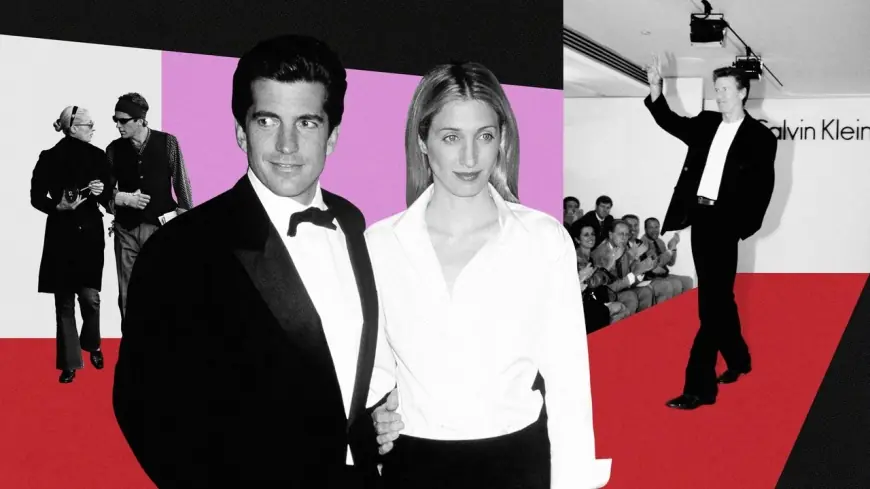
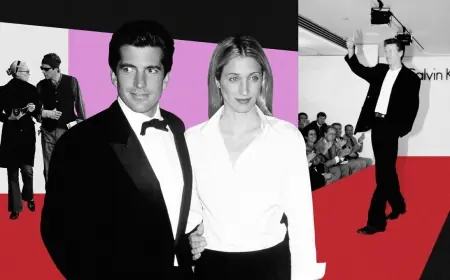
The debut of the series "Love Story" has sent a familiar silhouette back into public view: the quiet, minimal aesthetic long linked to carolyn bessette kennedy. The show’s costume work has amplified demand for 1990s staples even as a major fashion house presented a collection that deliberately looked elsewhere.
A 1990s Aesthetic Returns
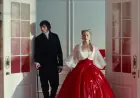
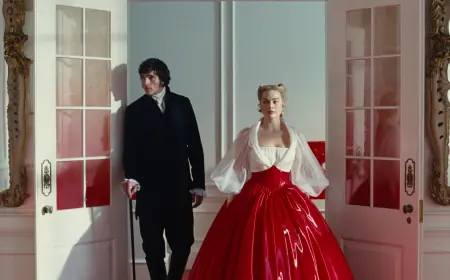
Viewers watching the new dramatization of the relationship between John F. Kennedy Jr. and Carolyn Bessette Kennedy are seeing a version of 1990s minimalism that foregrounds pencil skirts, slip dresses, white shirts and pared-back tailoring. Those pieces, which the central character wore with a studied reticence, helped cement a broader cultural memory of the decade’s understated glamour. Costume choices for the series — after an early stumble with some leaked images — ultimately landed squarely in that register, and that clarity has driven renewed interest in the look across social media and retail.
That revival is already rippling beyond television. Smaller labels and capsule collections leaning on silk slip dresses and low-key suiting have surfaced with marketing that nods to the show’s mood, while younger consumers discovering the era through streaming have embraced the aesthetic as both aspirational and wearable.
Runway Choices and a Creative Detour
The timing of the series premiere and a major fashion house’s runway presentation highlighted a creative disconnect. Rather than leaning fully into the now-familiar 1990s Calvin Klein vocabulary, the brand’s creative director signaled a pivot toward earlier influences — late 1970s and early 1980s references — producing a collection that mixed conventional suiting with experimental details like sleeveless jackets, backless tailoring and layered slips visible from behind.
That choice felt intentional: reclaiming ground that predates the era most commonly associated with the brand’s minimalist heyday. The result was a collection that some viewed as an intriguing reinterpretation and others found uneven. The show’s actors were not broadly present in the front rows, and the marquee guest list for the runway underscored that the conversation about heritage and reinvention is playing out between different cultural spheres — television-driven nostalgia and the fashion house’s own search for identity.
Memory, Ownership and Commercial Fallout
The series has reopened debate about who gets to tell intimate cultural stories and how those stories translate into commerce. Family members and public commentators have pushed back against dramatizing a private tragedy for entertainment, and that pushback has itself become part of the public conversation about taste, respect and profit. At the same time, the commercial market has proved quick to capitalize on renewed attention: brands eager to serve the nostalgic impulse are packaging silk dresses and restrained separates as the season’s must-haves.
For the fashion house at the center of this moment, the dilemma is clear. Leaning into the now-viral 1990s silhouette risks ceding creative ground to a wider wave of retro revivalists; rejecting it risks appearing out of step with a freshly energized audience. Either path will shape how carolyn bessette kennedy’s style is remembered: as an evergreen template for modern minimalism or as a moment reinterpreted and reshaped by new storytellers.
Ultimately, the interplay between screen-driven nostalgia and runway experimentation makes this moment about more than garments. It’s a conversation about cultural memory, commercial appetite and who gets to define an era’s look for the next generation.